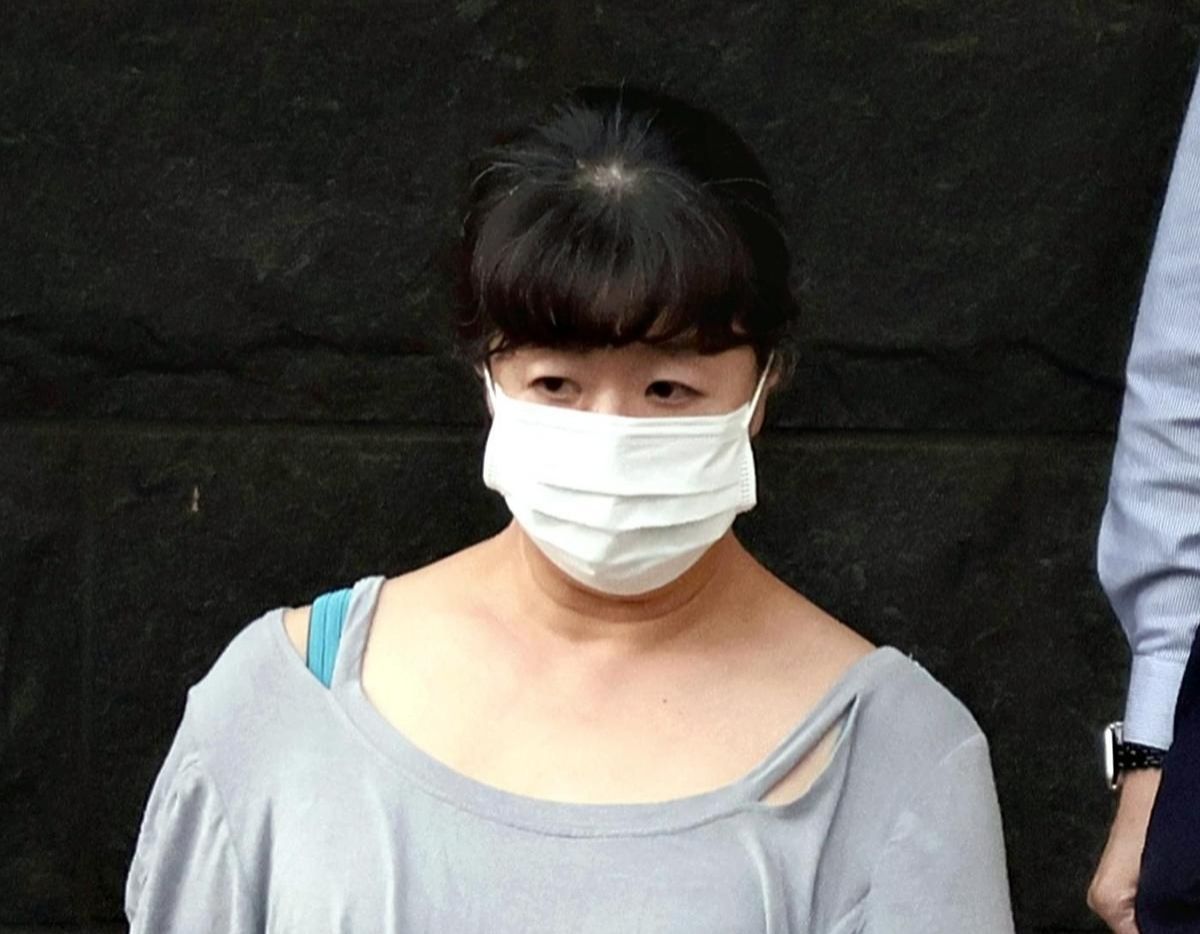
A 51-year-old midwife has been taken into custody in Chiba Prefecture, Japan, on suspicion of deliberately causing the death of a hospitalised patient through an extraordinarily disturbing act of contamination. The arrest, made on Wednesday, centres on allegations that Miyuki Furukawa introduced faecal matter into the intravenous drip line of a 75-year-old man at Kashiwa Tanaka Hospital on the morning of January 30, ultimately contributing to his death less than 24 hours later. The incident represents an alarming breach of medical ethics and patient safety that has shocked Japan's healthcare community and raised urgent questions about oversight in hospital settings.
According to investigators from the Chiba prefectural police, Furukawa, a resident of Kashiwa, allegedly manipulated the extension tube of the patient's IV line at approximately 3.55 in the morning on January 30. The man, a resident of Toride in adjacent Ibaraki Prefecture, subsequently died at around 10.30 in the evening on January 31, just over 19 hours after the alleged contamination. The timing and circumstances of the alleged act, occurring during early morning hours when hospital surveillance and staff presence would typically be minimal, suggest a deliberate and calculated action rather than accidental negligence.
The formal charge against Furukawa is murder, reflecting prosecutors' determination that her actions directly caused the patient's death. This represents one of the most serious accusations that can be levelled against a healthcare worker, indicating that investigators believe intent and criminal negligence were involved rather than mere professional incompetence. The severity of the charge underscores the gravity with which Japanese authorities view this case and signals the potential for substantial criminal penalties if Furukawa is convicted.
The method of harm alleged—the deliberate contamination of a medical apparatus intended to sustain life—reveals a profound inversion of the healthcare worker's duty of care. For Malaysian readers familiar with the standards of professionalism expected within Southeast Asian medical institutions, this case exemplifies the catastrophic consequences when such standards collapse entirely. The breach of trust involved is not merely a violation of professional conduct codes but an active weaponisation of medical infrastructure against a vulnerable patient wholly dependent on healthcare providers for survival.
Chiba prefectural police have launched a comprehensive investigation into Furukawa's motivation for committing such an act, recognising that understanding her motive will be crucial to building a complete criminal case. At present, authorities have disclosed limited information about potential reasons for the alleged contamination, though investigations of this nature typically explore possibilities ranging from personal grievances to psychological disturbance. The deliberate nature of the alleged crime suggests this was not an impulsive act but rather something conceived and executed with specific intent.
This incident carries significant implications for hospital safety protocols across Japan and potentially throughout the region. The case demonstrates how vulnerabilities in institutional oversight and monitoring of individual staff members can create opportunities for harm, particularly during overnight hours when documentation and supervision may be less rigorous. Malaysian hospitals and healthcare facilities should examine whether their own systems for protecting patients in vulnerable states—particularly elderly patients on life support or requiring intravenous medication—include adequate safeguards against tampering and contamination.
The psychological impact on the patient's family and the broader hospital community cannot be overstated. Families who entrust their elderly relatives to hospitals do so with the fundamental assumption that healthcare workers will act in the patient's best interest, not cause deliberate harm. The discovery that a midwife may have actively poisoned a patient through such a method strikes at the very foundation of trust that underpins the healthcare system. For the victim's family in Toride and beyond, this case raises haunting questions about what happened in the moments leading to their relative's death.
From a regulatory perspective, this case will likely prompt Japanese health authorities to review credentialing processes for midwives and other healthcare workers, examining how someone allegedly capable of such an act managed to maintain employment and access to patients. Investigations may also examine Furukawa's employment history, performance records, and any prior incidents or complaints that might have suggested concerning behaviour. Such institutional review processes, when conducted thoroughly, can help prevent future tragedies and restore public confidence in hospital safety.
The broader cultural and professional context in Japan makes this case particularly shocking. Japanese society places considerable emphasis on professional responsibility and loyalty to institutional roles, making a deliberate breach of duty by a healthcare worker especially transgressive. The midwifery profession, in particular, carries deep symbolic significance in Japanese culture as a guardian of vulnerable life at its beginning; when a midwife allegedly uses medical knowledge to end life instead, the violation extends beyond the criminal into the deeply cultural.
For Malaysian and Southeast Asian readers, this case serves as a reminder of the importance of maintaining robust oversight mechanisms within healthcare institutions, regardless of the trust placed in individual practitioners. While such extreme cases remain rare, the existence of this possibility underscores why hospitals require multiple layers of verification, monitoring, and documentation—particularly for interventions involving unconscious or seriously ill patients. The case also highlights why whistleblower protections and complaint mechanisms within hospitals must remain functional and accessible to all staff members who observe concerning behaviour.
The investigation ongoing in Chiba Prefecture will likely produce additional details about the circumstances surrounding this incident, Furukawa's background and motive, and the hospital's response to the patient's sudden deterioration. As Japanese law enforcement continues their work, healthcare institutions across the region will be monitoring developments closely, seeking lessons that might strengthen their own systems and protect patients from similar harms. The resolution of this case, whatever form it ultimately takes, will resonate far beyond Kashiwa as a cautionary tale about institutional vulnerability and the critical importance of unwavering vigilance in healthcare settings.

