The failure of Zentoshin Co., an Osaka-based payment processing firm, has created a cascading financial crisis affecting both Japan's regional banking sector and the country's network of small and medium-sized merchants. The company's collapse, formalized through a bankruptcy filing with the Osaka District Court on July 6, has exposed vulnerabilities in how Japanese financial institutions manage exposure to payment infrastructure providers, while simultaneously threatening the operational viability of hundreds of thousands of businesses that lack alternative payment processing arrangements.
According to Teikoku Databank, Japan's leading corporate credit research organization, Zentoshin accumulated liabilities totalling approximately ¥115.2 billion ($710 million) at the time of its insolvency filing, marking the largest corporate bankruptcy recorded in Japan during the current year. The magnitude of this failure extends across multiple dimensions of Japan's financial ecosystem. Five listed regional banks and banking groups—including Towa Bank Ltd. and The San ju San Financial Group Inc.—have publicly announced they will record significant writedowns reflecting their exposure to the failed processor. The banking sector's collective vulnerability underscores how concentrated the risk had become within Japan's regional financial institutions, which had collectively extended substantial credit facilities to Zentoshin on the assumption of its continuing viability.
The trajectory leading to Zentoshin's insolvency reveals how reputational damage and financing constraints can rapidly transform a functional business into an insolvent entity. Two years prior to the bankruptcy filing, allegations of employee misconduct emerged regarding the company's operations, a disclosure that fundamentally altered the risk perception of institutional lenders. Rather than securing additional conventional financing, Zentoshin pivoted toward crowd-funding mechanisms to sustain operational continuity. This shift to alternative funding sources, typically deployed when traditional financing channels close, signalled to market participants that the company faced acute refinancing difficulties. Yet despite these visible warning signs, many of the financial institutions maintaining lending relationships with Zentoshin had classified their exposures as performing assets—a categorization implying no significant repayment concerns. The retrospective reclassification of these loans following the bankruptcy filing will generate material earnings impacts across the banking sector.
Towa Bank's situation exemplifies the magnitude of individual institutional consequences. The bank extended total credit facilities of ¥8 billion to Zentoshin, of which ¥5.9 billion remains unprotected by collateral or established loan-loss reserves. During the fiscal year ending March 2027, Towa Bank intends to write off the entire unprotected portion. The bank's earnings forecast for that fiscal year anticipates net income of ¥5.5 billion, a figure that falls materially short of the required writedown amount. Consequently, the single Zentoshin writedown would convert projected profitability into an actual net loss position—a reversal severe enough to trigger comprehensive reforecasting of the bank's full-year financial performance. This outcome, while painful for Towa Bank's shareholders, remains less catastrophic than outcomes facing some peer institutions with proportionally larger exposures.
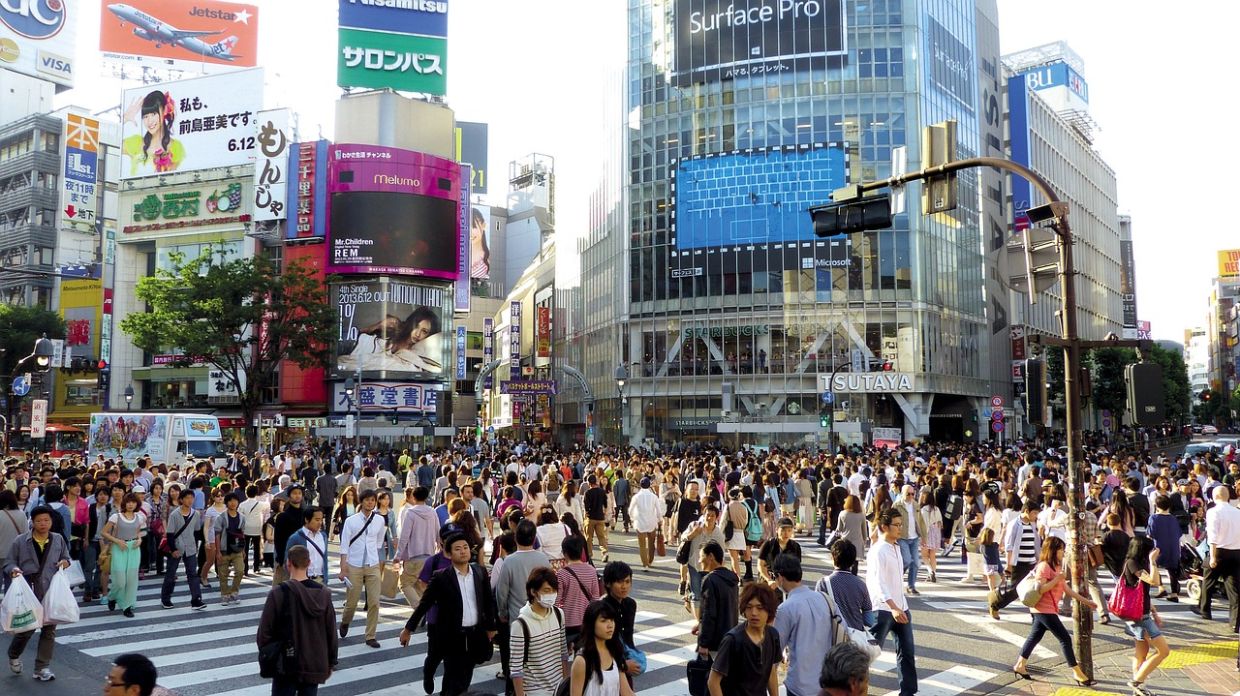
The ramifications extending into the merchant community present potentially more systemic concerns than those affecting financial institutions. Zentoshin maintained payment processing relationships with approximately 200,000 establishments, a population dominated by independent restaurants, small retailers, and other enterprises operating with constrained working capital availability. These merchants relied on Zentoshin not merely as a convenience but as an essential operational component, because the company remitted sales proceeds derived from card transactions at intervals matching the cash flow cycles of their businesses. Osamu Naito, a senior manager at Teikoku Databank's Osaka branch, emphasizes that many of these merchants possess limited financial flexibility, meaning that disruption to the timing and receipt of card transaction proceeds threatens their capacity to meet payroll obligations, supplier payments, and other operational commitments. The merchant community now faces the dual problem of having unknown amounts of remitted sales stranded within the bankrupt entity's asset pool, while simultaneously losing the technical infrastructure—specifically Zentoshin's card payment terminals—necessary to process customer card transactions until alternative payment processors can be onboarded.
The potential for secondary business failures across the merchant sector appears non-trivial. Naito's explicit warning regarding chain bankruptcies extends beyond theoretical possibility into documented concern about realistic scenarios. A restaurant or retail establishment that cannot process card payments immediately loses access to a significant segment of its potential customer base in modern Japan, where card and digital payment adoption substantially exceeds cash-based transactions. Simultaneously, the same business may be owed substantial sums in unremitted sales proceeds by the bankrupt Zentoshin estate. The combination of lost payment processing capability and stranded receivables creates circumstances where previously solvent establishments could rapidly encounter financial distress. The severity of this risk correlates directly with the extent to which individual merchants had concentrated their payment processing dependency on Zentoshin, with those businesses lacking alternative processing arrangements facing the most acute threats.
Japan's Financial Services Agency has begun quantifying the banking sector's collective exposure to Zentoshin through a coordinated survey effort designed to identify all financial institution lending to the failed processor. A spokesperson for the FSA indicated that current supervisory assessment does not identify serious stability concerns at individual institutions or across the banking system more broadly. However, this reassurance coexists with acknowledgment that the agency is actively monitoring the situation—language suggesting that while current conditions do not meet thresholds for immediate intervention, continued deterioration or evidence of broader contagion could trigger regulatory responses. The FSA's measured stance reflects the reality that while regional banking sector aggregate exposures are manageable, the merchant sector vulnerability cannot be fully contained through banking system stabilization alone.
For Malaysia and other Southeast Asian economies, Zentoshin's collapse offers instructive lessons regarding payment infrastructure resilience and the importance of redundancy in financial plumbing. The concentration of payment processing functions within single specialized entities, combined with opaque exposure metrics across the banking sector, creates conditions where operational or reputational failure can rapidly propagate into broader economic disruption. The merchant community's dependency on proprietary payment terminals further elevates switching costs and operational vulnerability. Developing Asia's rapidly growing SME sector, which increasingly relies on card and digital payment processing, faces comparable risks wherever payment infrastructure remains concentrated and where institutions maintain inadequate visibility into counterparty exposures. Zentoshin's failure serves as a reminder that financial stability monitoring must extend beyond traditional banking metrics to encompass critical payment infrastructure providers whose failure patterns differ fundamentally from conventional bank failures.

