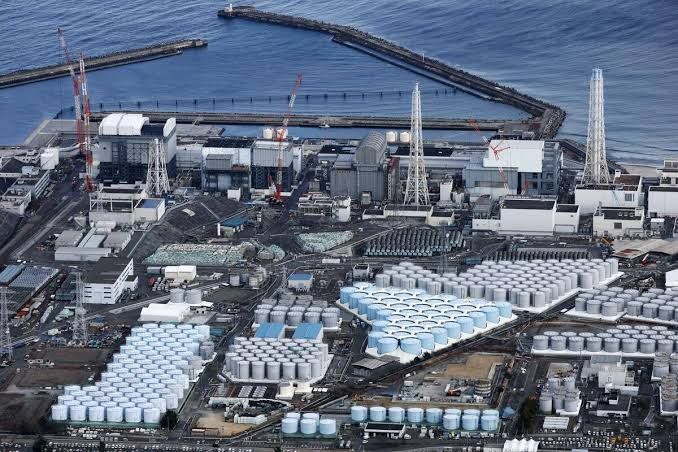
Tokyo Electric Power Company Holdings Inc. marked three years of releasing processed water from the damaged Fukushima nuclear facility into the Pacific Ocean, with approximately 172,700 tonnes discharged through 22 separate operations as of August 24. The milestone underscores the scale of Japan's ongoing effort to manage radioactive wastewater stemming from the catastrophic 2011 earthquake and tsunami, which triggered one of the world's worst nuclear disasters and fundamentally reshaped global perceptions of atomic energy safety.
The volume of water stored in vast tank arrays has contracted by 7.6 per cent to roughly 1.24 million tonnes, with 17 storage tanks now dismantled following successful emptying. This gradual reduction represents a critical component of the plant's long-term decommissioning strategy, which Tokyo Electric Power aims to complete by 2051. The corporation's timeline remains ambitious given the technical complexity involved, yet the steady progress over three years suggests the operator has established a manageable operational rhythm.
The discharge programme emerged from Japan's decision in April 2021 to process and release the accumulated water rather than store it indefinitely. This choice reflected a pragmatic recognition that storage tanks occupy valuable real estate needed for alternative decommissioning activities, particularly facilities designed to extract melted fuel debris from reactor cores. The 2011 crisis continues generating approximately 60 tonnes of radioactive wastewater daily as cooling systems maintain contact with damaged reactor fuel, ensuring the problem persists as a long-term burden.
Tokyo Electric Power subjects all processed water to rigorous purification using advanced liquid treatment technology before diluting it to concentrations substantially below Japanese safety thresholds—approximately one-fortieth of permitted levels—before offshore release from a point one kilometre from shore. The International Atomic Energy Agency, working alongside Japan's government and the operator, maintains continuous oversight, with monitoring confirming that tritium levels in surrounding waters and seafood remain within normal parameters, contradicting fears raised by critics during initial public debate.
Operational procedures have evolved considerably since the August 2023 commencement. Initial releases proceeded in batches of roughly 7,800 tonnes, with four discharges executed during fiscal 2023. As the programme matured, Tokyo Electric Power increased frequency to seven releases each in fiscal 2024 and 2025. The company has since modified protocols to enable continuous transfers between measurement tanks, permitting eight planned releases during fiscal 2026, with four already completed. This accelerating pace reflects growing confidence in safety protocols and operational efficiency.
The economic consequences have reverberated across Japan's fishing and seafood export sectors. China, historically Japan's most valuable market for marine products, implemented a comprehensive import ban commencing the day discharge operations began. Although Beijing announced in June last year a tentative lifting of restrictions affecting most prefectures, it has maintained effective blockades on products from Fukushima and nine other regions. Analysts attribute the continuation partly to unresolved diplomatic tensions, particularly following Prime Minister Sanae Takaichi's November remarks regarding potential Japanese involvement if cross-strait Taiwan tensions escalate.
Russia maintains import restrictions despite normalisation elsewhere, whilst several other nations and territories have adopted comparable measures. These trade barriers have inflicted tangible financial pain on Japanese businesses, particularly those in scallop and sea cucumber sectors dependent on Chinese and Hong Kong buyers. Tokyo Electric Power has documented approximately 1,100 compensation claims totalling roughly 92.8 billion yen, equivalent to approximately US$585 million as of early August, as the company attempts to cushion operational losses from trade disruptions.
The compensation framework represents an ongoing corporate responsibility effort, though many affected businesses argue it remains insufficient given the structural damage to established export relationships. Fishing communities that developed decades of commercial ties to Chinese partners face uncertainty regarding market restoration, particularly as diplomatic temperatures remain elevated. Tokyo Electric Power's commitment to compensation reflects recognition that the discharge programme, whilst scientifically justified and internationally monitored, carries undeniable economic costs borne disproportionately by specific industries.
Akira Ono, Tokyo Electric Power's chief decommissioning officer, stated during a press conference last month that the company had successfully maintained safe release operations whilst pledging enhanced transparency and appropriate compensation. His remarks emphasise the balancing act facing Japan—advancing necessary cleanup activities whilst addressing legitimate economic concerns from affected sectors and maintaining international relations amid contentious geopolitical circumstances.
For Southeast Asian nations with significant Japanese trade relationships, the Fukushima discharge situation carries implications extending beyond nuclear safety protocols. The episode illustrates how technical environmental decisions intersect with diplomatic relationships and trade retaliation, affecting bilateral commerce across multiple sectors. Regional governments monitoring Japan's handling of the issue must consider precedents for how scientific risk assessments integrate with broader political considerations, particularly as regional tensions around critical infrastructure intensify.

