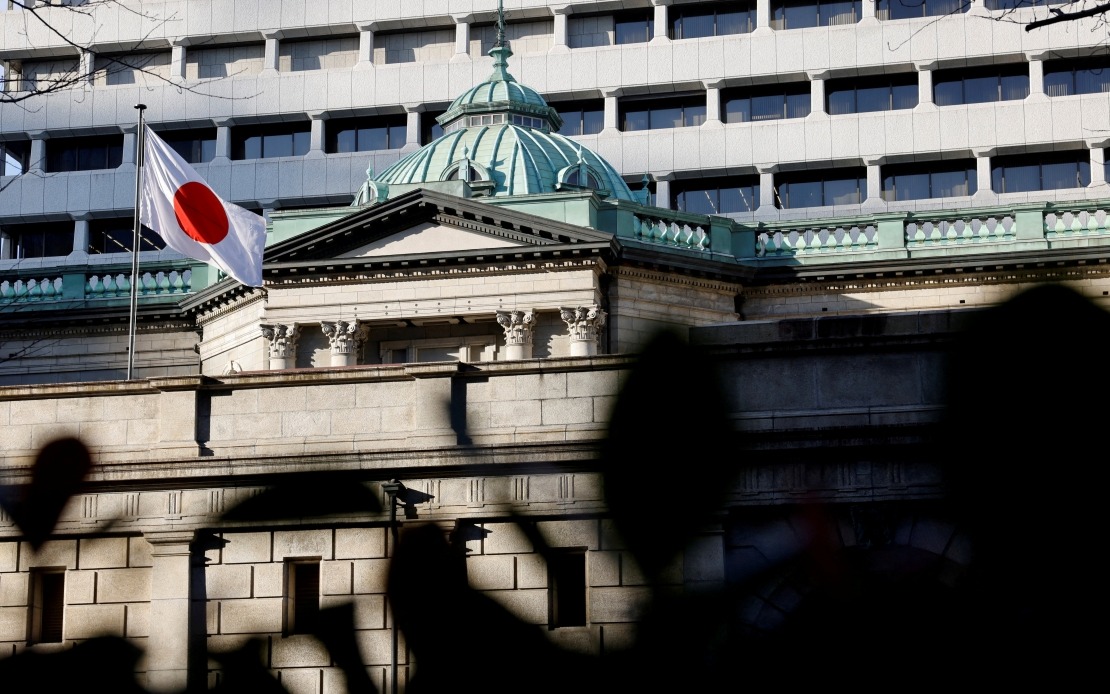
Japan has taken a decisive legislative step by enacting a law that prohibits the desecration of its national flag, a move that has reinvigorated international discussion about where democracies should draw the line between defending symbols of national identity and preserving individual liberties. The introduction of this legislation has prompted scrutiny both domestically and internationally, with observers questioning whether the measure represents legitimate protection of a cherished emblem or a troubling endorsement of nationalist sentiment.
Criticism has emerged swiftly within Japan itself. Social media users have levelled accusations against Prime Minister Sanae Takaichi, suggesting that the new law could embolden right-wing movements and foster what they characterize as a climate of Japanese supremacy and unchecked nationalism. These concerns touch on deeper anxieties about the direction of Japanese politics and whether legal restrictions on symbolic expression might serve as a gateway to broader limitations on dissent and political opposition.
The challenge Japan faces is hardly unique. Nations across Europe, Asia, and North America have grappled with similar questions, each arriving at strikingly different conclusions shaped by their historical experiences and political traditions. Germany, for instance, has long maintained strict penalties for flag desecration, imposing sentences of up to three years imprisonment or substantial fines for those convicted of such acts. The punishment escalates to a maximum of five years if authorities determine that the offender intended to undermine Germany's constitutional framework. This stringent approach reflects the country's particular historical reckoning; following the devastation of World War II and the subsequent division of the nation, West Germany exercised considerable restraint in promoting its flag as a national symbol.
The cultural significance of flags in Germany has evolved substantially over recent decades. The flag's prominence increased noticeably following the country's successful hosting of the World Cup in 2006, yet in contemporary times, segments of the population have grown uneasy with its association with anti-immigration and right-wing political movements. Many observers worry that the flag has been co-opted as a symbol of exclusionary politics rather than inclusive patriotism, a transformation that complicates efforts to reclaim it as a unifying national emblem.
France has similarly criminalized flag desecration, viewing its tricolour as a repository of republican ideals encompassing liberty, equality, and fraternity. The law prohibits public destruction of the flag and forbids its use in ways deemed disrespectful or degrading, reflecting France's investment in the banner as representing universal democratic principles rather than merely state power. This framing attempts to position flag protection within the context of preserving foundational national values rather than simply enforcing obedience to authority.
Eastern approaches reveal contrasting philosophies. China imposes prison sentences of up to three years for flag-related offences and has integrated patriotic flag ceremonies into daily public ritual, with the Five-Star Red Flag raised each dawn at Tiananmen Square. Enforcement has proven severe; in 2017, a man sentenced to two years imprisonment for slashing 66 flags at a residential complex in Tianjin demonstrated the state's serious commitment to protecting the symbol. Similarly, another individual received administrative detention merely for using the national flag as a curtain, illustrating how expansive the definition of desecration can become in practice.
Iran presents a more nuanced picture. Although the nation lacks explicit legislation criminalizing flag desecration, the government has moved toward strengthening penalties following anti-government protests that erupted late in the previous year. Iran's flag incorporates the word Allah, and damaging it is widely understood as constituting blasphemy against Islam, an offence with significant social and religious dimensions beyond mere patriotic concern. Yet the Iranian leadership has exercised strategic restraint, generally avoiding harsh crackdowns as it seeks to consolidate national unity against external pressures.
The United States occupies a distinctive position within this global spectrum, having constitutionally enshrined the right to engage in symbolic protest through flag burning. During the Vietnam War era, burning the American flag emerged as a powerful form of political expression, and in 1989, the Supreme Court confirmed that such acts fall squarely within First Amendment protections. This ruling reflects America's historical emphasis on free expression as fundamental to democratic governance. However, this constitutional protection has faced recurrent political pressure; most recently, former President Donald Trump signed an executive order directing the Justice Department to prosecute flag desecration, demonstrating that even in the United States, the tension between symbols and speech remains contested terrain.
South Korea has pursued its own approach, with lawmakers proposing the establishment of a dedicated flag day. The country's existing law permits imprisonment of up to five years for those who damage the national flag with intent to insult the state. However, this legislation has drawn criticism from civil liberties advocates who contend that it unduly restricts freedom of expression and allows the state to criminalize legitimate political dissent disguised as flag protection.
For Southeast Asian nations, particularly Malaysia, Japan's legislative move carries implications worth monitoring. While Malaysia itself maintains laws protecting national symbols and honours, the Japanese experience offers a cautionary example of how legislation intended to preserve patriotic values can inadvertently provide cover for the suppression of legitimate political expression. The debate in Japan underscores the critical importance of distinguishing between protecting symbols and protecting the ability of citizens to question, criticize, and express dissent without fear of legal reprisal.
The worldwide divergence in flag protection reflects fundamentally different conceptions of nationalism, patriotism, and the proper relationship between the state and individual rights. Democracies must navigate between ensuring that national symbols retain respect and meaning while simultaneously protecting the space for dissent that defines free societies. Japan's new law will likely continue to generate debate as observers assess whether it strikes an appropriate balance or whether it represents a troubling shift toward prioritizing symbolic reverence over substantive freedom.

