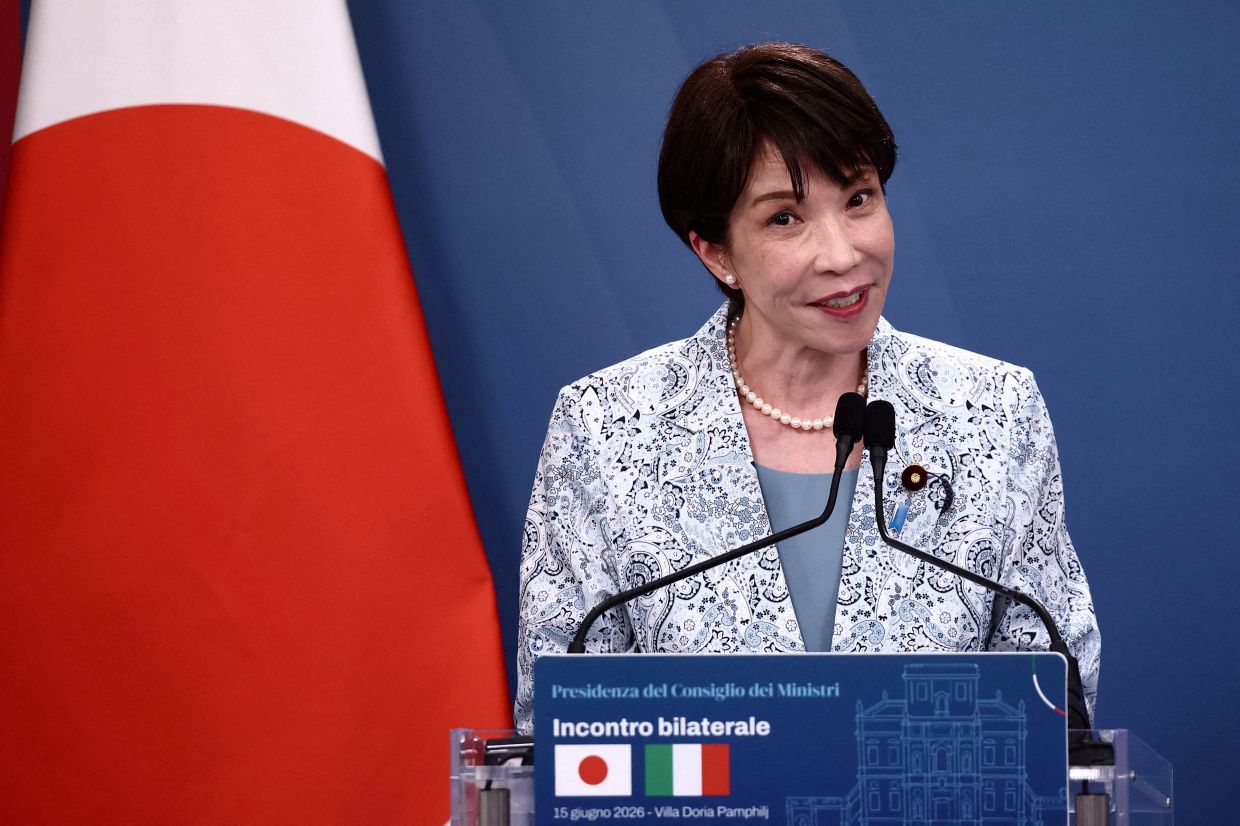
Japan's Prime Minister Sanae Takaichi faces a significant political headwind as public backing for her administration slipped below the psychologically important 50 per cent threshold for the first time since her cabinet took office last October. According to polling data released Thursday by Jiji Press, the government's approval rating stands at 49 per cent, marking a watershed moment in her tenure and signalling potential vulnerability ahead of future electoral contests.
The erosion of public support has been particularly pronounced among older Japanese voters, a demographic traditionally considered a stronghold for conservative administrations. Support among voters aged 60 and above has collapsed dramatically, plummeting from 63.7 per cent last month to just 39.9 per cent in the latest survey. This sharp reversal among senior citizens—a group with consistently high voter turnout—represents one of the most concerning trends for Takaichi's political future and suggests her government is losing ground among its traditional base.
Those who continue backing Takaichi's administration cite her personal qualities as the primary reason for their support, with voters highlighting her leadership capacity and trustworthiness as Japan's first female prime minister. Yet these qualities appear insufficient to offset mounting dissatisfaction among the broader electorate. The principal complaints levelled against her government cluster around perceptions of limited effectiveness, with voters using phrases such as "cannot hope for much" to characterise their outlook, while others directly fault specific policy decisions as inadequate or misguided.
The timing of this downturn is particularly significant given Takaichi's strong position just months earlier. In February, she secured a commanding victory in lower house snap elections, a result that seemed to consolidate her political dominance. Her appeal during that contest proved especially potent among younger voters, who responded positively to her diplomatic sophistication, her relatable public persona, and the symbolic promise of generational change she represented within Japan's traditionally male-dominated political establishment.
However, since that February triumph, several policy initiatives and international statements have complicated her political equation. Most consequential has been her November suggestion that Tokyo might militarily intervene should Taiwan face attack, a position that has significantly strained Japan's already delicate relationship with China. Beijing, which regards Taiwan as a renegade province entitled to eventual reunification, viewed such comments as provocative interference in its internal affairs. For Southeast Asian nations and other regional powers, Takaichi's Taiwan remarks underscore Japan's willingness to take positions that could reshape regional security dynamics and complicate the carefully calibrated diplomatic balance that has underpinned stability in East Asia.
Domestically, Takaichi has also encountered organised intellectual resistance to her legislative agenda. Earlier this month, a coalition of nearly 150 Japanese academics formally petitioned members of the legislature to oppose her proposed bill that would criminalise the desecration of Japan's national flag. This intervention by the academic community, traditionally a voice for liberal democratic values in Japanese public discourse, suggests that Takaichi's cultural and nationalist initiatives are generating principled opposition among influential sections of the intelligentsia. The flag bill in particular has resonated as emblematic of a broader conservative agenda that critics argue threatens freedom of expression and assembly.
One potential offsetting factor in Takaichi's favour has been the moderation of inflation pressures in recent months, which represents a meaningful reprieve from the sharp price escalations that destabilised the Japanese economy and contributed directly to the political downfall of her two immediate predecessors. Both of her recent predecessors faced domestic discontent rooted substantially in economic grievances tied to cost-of-living pressures. The slowdown in inflation this year provides Takaichi with an opportunity to rebuild economic credibility, though her poll numbers suggest that this positive development has not yet translated into sufficient public rehabilitation of her administration's image.
The confluence of these factors—geopolitical assertiveness that risks regional stability, domestic cultural initiatives that have provoked organised intellectual opposition, economic headwinds that remain present despite recent moderation, and a perception among voters that her government lacks concrete plans for meaningful improvement—paints a picture of a prime minister whose honeymoon period has definitively concluded. For Malaysian observers and other Southeast Asian analysts, Takaichi's declining domestic support carries regional implications. A weakened domestic position might constrain her latitude for bold diplomatic initiatives or alternatively might drive her to pursue more nationalist policies to shore up her base. Either trajectory carries potential consequences for regional security and economic cooperation in Southeast Asia.

