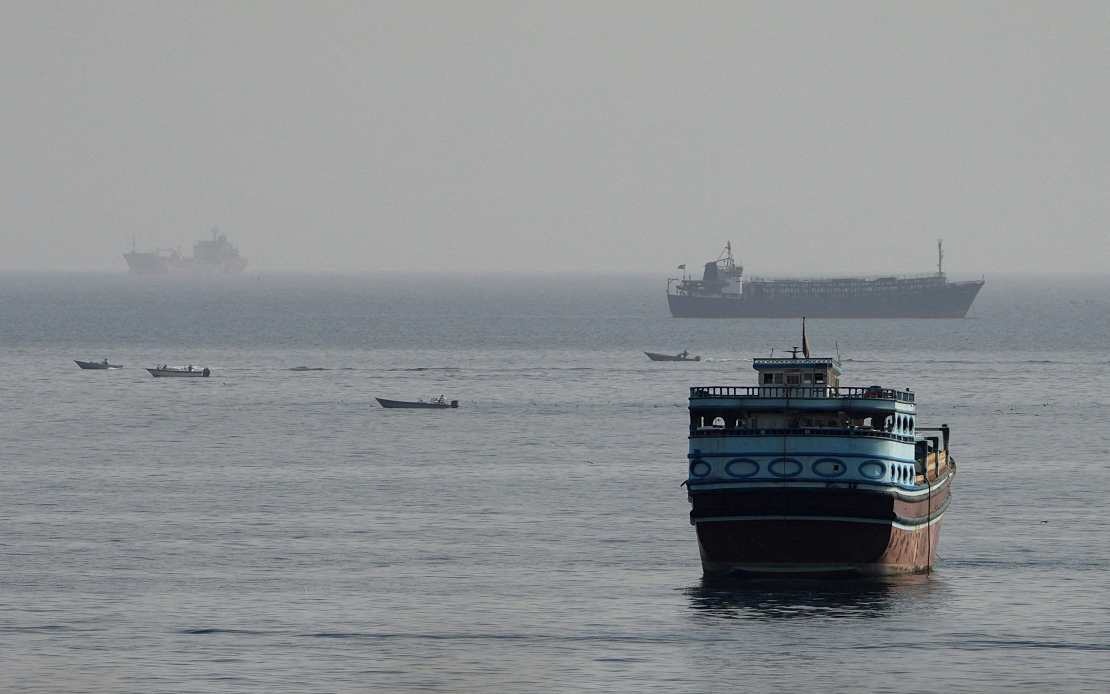
Japanese Prime Minister Sanae Takaichi has made a direct appeal to Tehran to maintain free passage through the Strait of Hormuz, underlining Tokyo's concern about one of the world's most vital maritime corridors during a telephone conversation with Iranian President Masoud Pezeshkian this week. The call represents Japan's delicate diplomatic balancing act in a region where it maintains significant economic interests while remaining closely aligned with Washington.
The Strait of Hormuz, through which roughly one-fifth of global oil trade passes, has become functionally blocked amid the breakdown of negotiations between the United States and Iran. This disruption carries particular weight for energy-dependent nations across Asia, including Malaysia, which relies heavily on Middle Eastern crude imports. Japan's explicit emphasis on keeping the waterway free from additional fees signals Tokyo's anxiety about further restrictions that could drive up energy costs and disrupt supply chains already strained by geopolitical tensions.
During their discussion, Takaichi expressed serious apprehension about parallel instability in the Bab el-Mandeb Strait, located on the opposite side of the Arabian Peninsula. She pressed Pezeshkian to use Iran's influence with Houthi forces in Yemen to encourage restraint. The Iranian-backed Houthi movement declared a self-proclaimed maritime blockade targeting Saudi vessels in July and has subsequently conducted attacks against commercial shipping in the Bab el-Mandeb, a chokepoint that has emerged as an alternative route for crude oil transport as the Hormuz situation deteriorates.
Recent incidents underscore the escalating tensions affecting global maritime commerce. Yemeni authorities confirmed that Houthi militants carried out an assault on a cargo vessel transiting the Bab el-Mandeb Strait, demonstrating their capability and willingness to disrupt traffic. This shift of pressure points from the Hormuz to alternative passages shows how regional instability is creating cascading effects across multiple critical shipping lanes, forcing international markets to reassess supply route security and costs.
The timing of Takaichi's outreach is significant. This represents the first high-level telephone exchange between Japan and Iran since June, and the fourth since the outbreak of the US-Israeli military campaign against Iranian targets in late February. The frequency and resumption of dialogue underscore Japan's interest in preventing further regional escalation while maintaining communication channels that could help de-escalate tensions.
Japan's approach reflects a longstanding diplomatic strategy distinct from some Western nations. Despite being a stalwart US security partner, Tokyo has traditionally pursued independent relationships with Tehran, recognising both the strategic importance of the region and the value of maintaining dialogue even during periods of international tension. This nuanced position allows Japan to advocate for stability and free trade while preserving its broader alliance commitments.
For Southeast Asian nations, the implications are substantial. Malaysia and other regional economies are indirect stakeholders in Middle Eastern stability, as disruptions to Hormuz affect global oil prices and maritime insurance costs. The emergence of the Bab el-Mandeb as an alternative route, while providing some diversification, introduces new security risks and potentially longer transit times, ultimately translating into higher costs for consumers and businesses throughout the region.
Takaichi's diplomatic overture also highlights the challenge facing moderate voices in international relations. By appealing directly to Iran's leadership rather than issuing ultimatums, Japan positions itself as a potential mediator or stabilising influence. However, the effectiveness of such quiet diplomacy depends on whether Tehran perceives benefit in restraint and whether Iran can actually exercise meaningful control over proxy forces like the Houthis.
The broader context involves a complex web of competing interests. The United States seeks to maintain pressure on Iran through sanctions and military deterrence, Saudi Arabia and its Gulf allies fear Iranian expansion, Yemen remains mired in humanitarian crisis, and maritime nations worldwide depend on these waterways remaining open. Japan's position—advocating for free transit without additional fees—represents a minimalist position focused on commerce and stability rather than geopolitical dominance.
As maritime tensions persist, the telecommunications between Tokyo and Tehran may indicate growing recognition that diplomatic channels, however strained, remain essential. Whether such high-level outreach can influence behaviour on the ground remains uncertain, particularly given the complex motivations of non-state actors and the deeper structural tensions driving regional conflict.

