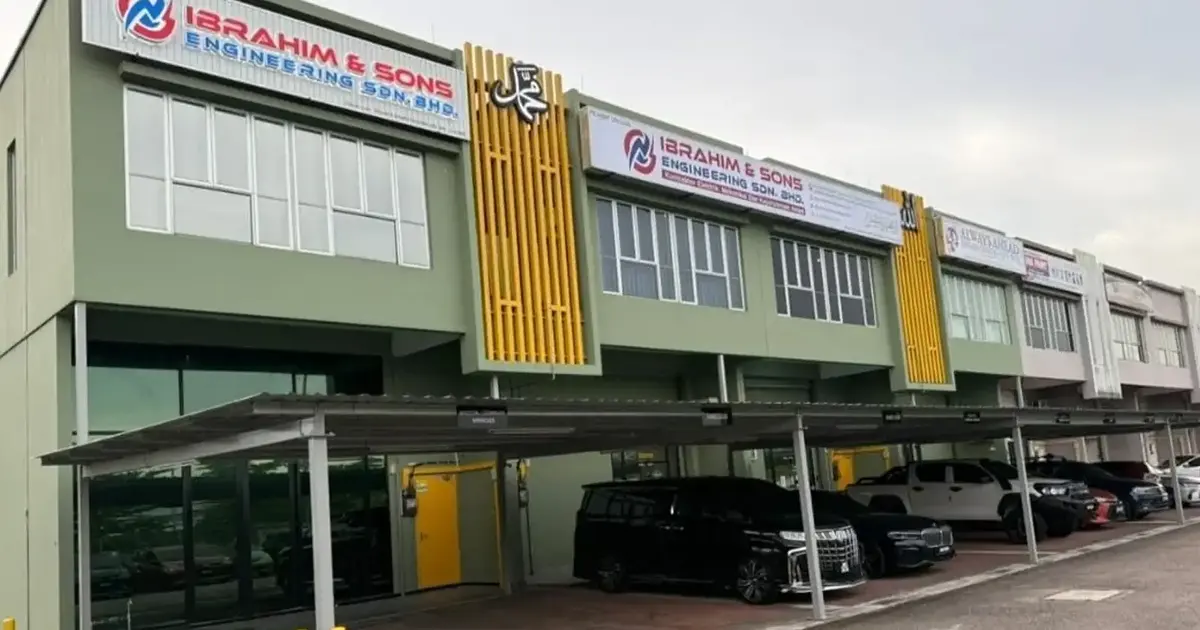
Ibrahim & Sons Engineering Sdn Bhd has escalated its legal dispute with Steel Hawk Engineering by launching a defamation counter-suit, alleging that the firm and its associates have waged a deliberate campaign through media channels to destroy the company's reputation and that of its leadership. The action represents a significant intensification of a partnership breakdown that has already generated considerable tension within Malaysia's engineering and construction sector.
According to allegations presented by Ibrahim & Sons, Steel Hawk's strategy was neither spontaneous nor reactive but rather methodically orchestrated to systematically depict the Johor Bahru firm and its executives as dishonest operators engaged in fraudulent conduct. This characterisation by the plaintiff suggests a comprehensive approach targeting not only the company's business standing but also the personal credibility of its directorate, which carries substantial implications for future business relationships and professional standing within the industry.
The counter-suit filing signals that Ibrahim & Sons intends to defend itself aggressively in the courts rather than seek early settlement or mediation. By framing Steel Hawk's actions as coordinated and pre-planned rather than circumstantial criticisms, the company is asserting that the damage to its reputation was neither accidental nor a byproduct of legitimate business disagreements. This legal posture indicates confidence in the evidence Ibrahim & Sons believes it can present to substantiate claims that a deliberate misinformation campaign was executed.
For Malaysian engineering firms and their stakeholders, this dispute carries lessons about the vulnerability of business reputations in an increasingly connected media environment. When partnership breakdowns occur—whether due to financial disputes, operational differences, or alleged contractual breaches—the resort to public accusations through media channels can inflict substantial harm that extends far beyond the immediate parties. Clients, investors, and other business partners often make decisions based on reputation and public perception, making defamation suits increasingly common in commercial disputes.
The allegation of a coordinated media strategy introduces another dimension to the conflict. Rather than Steel Hawk making isolated statements or responding to specific incidents, Ibrahim & Sons contends that multiple publications, press releases, or media appearances were orchestrated as components of a unified campaign. Establishing such coordination in court would require demonstrating a pattern of communications, timing, and messaging consistency that suggests centralised planning rather than independent journalistic coverage or separate statements.
The engineering sector in Malaysia, particularly in Johor Bahru where Ibrahim & Sons is based, is increasingly competitive with numerous firms vying for government contracts and private commercial projects. Reputational damage in this context can affect not only existing client relationships but also tender eligibility and future opportunities. Clients evaluating bids often conduct due diligence that includes checking for any public controversies, legal disputes, or reputational concerns. A successful defamation campaign could therefore have far-reaching commercial consequences extending well beyond the immediate business relationship between the two firms.
Steel Hawk Engineering, for its part, presumably maintains that its public statements were factually accurate and constituted legitimate response to the alleged breaches or misconduct by Ibrahim & Sons. Defamation law generally recognises truth as a complete defence, which means Steel Hawk would need to demonstrate the accuracy of any statements it made. This becomes the central battleground in such disputes—what constitutes provable fact versus what constitutes opinion or exaggeration designed to damage reputation.
The Malaysian legal system has seen an increase in defamation suits within the commercial sphere as companies recognise the potential consequences of reputational harm in an era where news spreads rapidly through multiple channels. Courts must navigate the difficult balance between protecting legitimate free speech and business commentary while preventing the deliberate dissemination of false or misleading information calculated to harm competitors. Each case requires careful examination of what was actually stated, the evidence supporting those statements, and whether the statements were made with knowledge of their falsity or with reckless disregard for the truth.
For other firms in Malaysia's engineering and construction sector, this dispute underscores the importance of managing partnership relationships professionally and carefully documenting all disagreements and resolution attempts. Should disputes arise, the decision to pursue public campaigns versus private negotiation carries significant legal and reputational risks. Companies must also be increasingly cautious about their public communications, ensuring that any statements about competitors or former partners are either clearly opinion-based or supported by documented facts that can withstand legal scrutiny.
The counter-suit also highlights the mutual vulnerability that emerges when business partnerships fracture. Both parties now face exposure through continued litigation, with the attendant legal costs, management distraction, and continued reputational exposure as the case proceeds through the courts. Settlement discussions may eventually become more attractive to both sides as the full costs of prolonged litigation become apparent, though for now both firms appear committed to vindicating their positions through the legal system rather than negotiated resolution.

