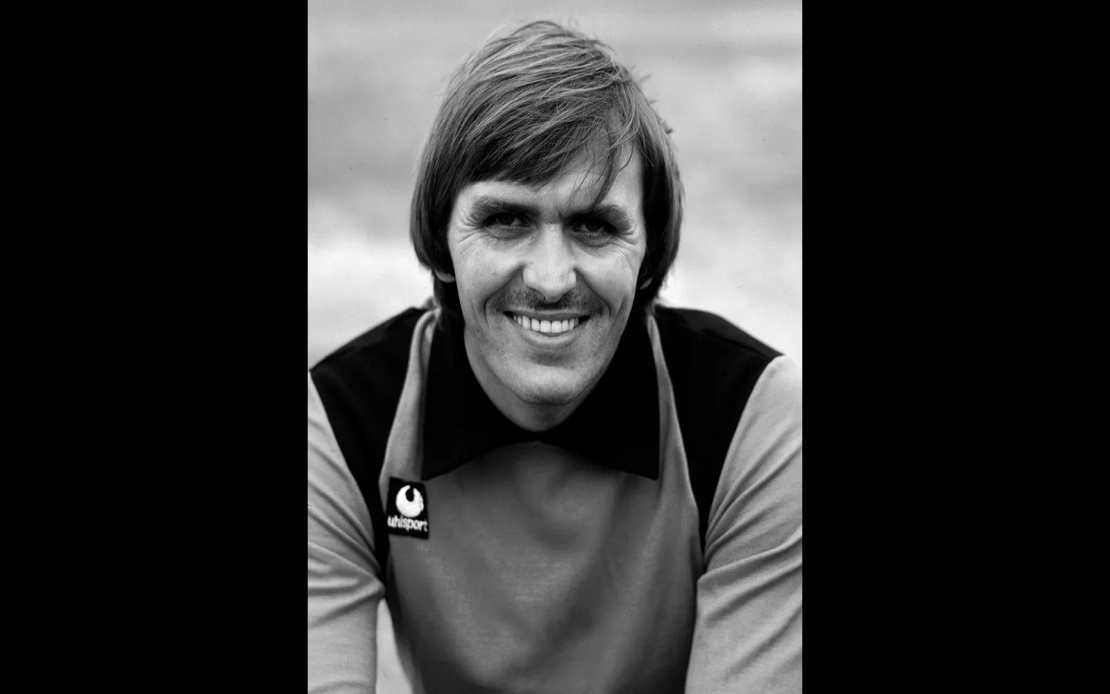
Jimmy Rimmer, the goalkeeper who stewarded Aston Villa to the 1981 First Division title and collected a European Cup winners' medal without stepping onto the pitch, has passed away at 78. His death marks the end of a career defined by professional excellence undermined by the cruelest twists of fate, particularly at football's grandest occasions.
Rimmer's tenure at Villa Park proved transformative for the Birmingham club's fortunes. As an ever-present figure in the side that claimed the English top division, he demonstrated the consistency and shot-stopping prowess that defined goalkeepers of his era. That championship-winning campaign represented the pinnacle of his playing contributions, establishing him as a fixture between the sticks during Villa's most successful period.
Yet it is the circumstances surrounding Villa's greatest achievement—their triumph in the 1982 European Cup final in Rotterdam—that encapsulate Rimmer's complicated legacy. After just nine minutes of that showpiece encounter against Bayern Munich, a neck injury forced his withdrawal from the contest. Nigel Spink, his understudy, replaced him and executed his opportunity flawlessly, securing a clean sheet as Peter Withe's second-half strike sealed a 1-0 victory. Villa became European champions for the sole time in their history, but Rimmer's involvement existed only on the teamsheet and medal table, not in the memories of those who witnessed the triumph.
This was not Rimmer's first experience of being sidelined at football's ultimate stage. Fourteen years earlier, while at Manchester United, he had sat on the bench watching his teammates defeat Benfica in the 1968 European Cup final at Wembley. Two continental prizes earned, two finals watched from the sidelines—a statistical paradox that haunted his career narrative and prompted reflection among observers about the vagaries of professional sport.
Aston Villa's official statement acknowledged this peculiar misfortune with understated pathos. The club recognised Rimmer as one of the finest goalkeepers of his generation, while simultaneously noting that he ranked among the most luckless when opportunity and circumstance collided on the sport's greatest stage. The paradox of holding championship medals without the memories attached to earning them defined much of how he would be remembered.
Rimmer's trajectory through English football revealed both capability and limited opportunity at the highest levels. His career commenced at Old Trafford, where he competed for recognition against Alex Stepney, an established first-choice keeper. The competition proved insurmountable, prompting his sale to Arsenal in 1974. Three years later, Villa acquired him, a move that would transform his profile despite the subsequent disappointments that followed.
At Villa Park, Rimmer made more than 200 appearances, a substantial contribution that established him as a significant figure in the club's operations across multiple seasons. His reliability and athleticism earned him consistent selection during the club's championship years, even as European football's most significant moments passed him by through circumstance rather than performance.
Following the Rotterdam final, Spink's emergence as Villa's undisputed number one created a changing dynamic for Rimmer. Rather than fight for primacy, the club made the commercial decision to sell him to Swansea in 1983, concluding a decade-long association that had encompassed domestic glory but left continental triumph forever tinged with absence.
Rimmer earned a solitary England cap, reflecting both the depth of goalkeeping talent available to the national team and perhaps the inconsistent opportunities afforded to him throughout his career. His international involvement, like much of his playing story, proved fleeting relative to his abilities and achievements.
For Malaysian football enthusiasts and regional audiences, Rimmer's story represents a cautionary tale about the unpredictability of sport's greatest moments. While European football during the 1980s often featured prominently in Asian television coverage and inspired younger generations across Southeast Asia, Rimmer's example demonstrated that professional excellence and fortunate circumstance do not always align. His two European Cup medals without participation serve as a unique historical oddity, a footnote in Aston Villa's golden era that distinguishes him as perhaps English football's most unlucky title-winner.

