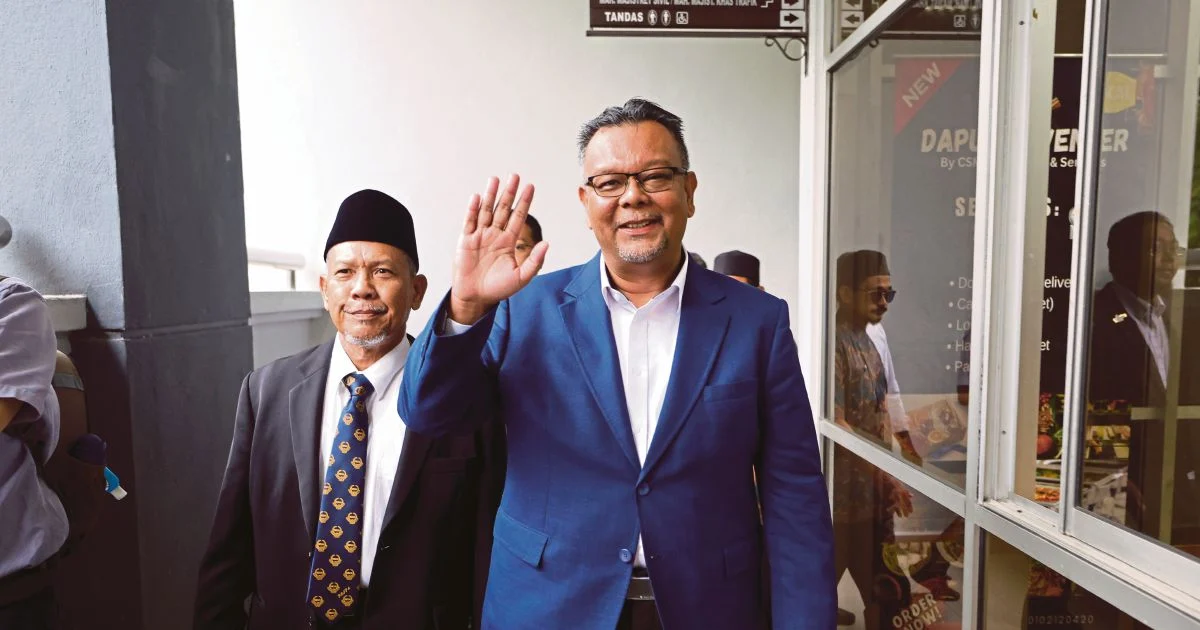
Dr Haim Hilman Abdullah, the assemblyman for Jitra, entered a not guilty plea in Seremban magistrate's court today in response to accusations that he made statements calculated to trigger public unrest. The charge relates to communications alleged to have been designed to disturb the peace and generate anxiety among the public.
The case, heard in Seremban, represents another instance of a Malaysian politician facing legal scrutiny over public utterances. Such charges, rooted in provisions designed to prevent statements that could destabilise civil order, have become an increasingly common legal mechanism in recent years, particularly involving statements made across social media and traditional platforms.
Statements likely to cause public alarm constitute a serious matter under Malaysian law, which contains provisions specifically crafted to protect public order and social cohesion. The legal framework balances the right to free expression against the state's obligation to maintain stability and prevent panic or civil disturbance. Courts have previously grappled with defining the precise boundaries between protected political speech and utterances that genuinely threaten public tranquillity.
For the Jitra constituency and its constituents, the proceedings involving their elected representative carry particular significance. As a state assemblyman, Hilman holds a public trust and his statements carry weight with the community he serves. The allegations, whatever their specific nature, underscore the heightened scrutiny that elected officials face regarding their public communications.
The not guilty plea indicates that Hilman's defence team will contest the substance of the charge itself, potentially arguing either that the statements in question were not made, were misrepresented, or did not meet the legal threshold for constituting a statement likely to cause public alarm. This approach differs from a guilty plea with mitigation, suggesting the accused believes the accusation lacks sufficient legal foundation.
Such prosecutions involving political figures in Malaysia frequently intersect with broader debates about political freedom and the exercise of state power. Opposition politicians and civil society observers have sometimes raised concerns about whether these legal tools are applied selectively or disproportionately against particular figures or parties. The judicial outcome of this case may therefore carry implications beyond Hilman's individual circumstances, potentially influencing how similar charges are perceived and pursued.
The Jitra assemblyman's legal position now depends on evidence presentation during trial proceedings, where the prosecution will need to establish that statements were indeed made and that their nature and content satisfied the legal criteria for causing public alarm. The defence will have opportunity to challenge the characterisation of these statements and their actual or intended effect on the public.
In the context of Malaysian politics, where tensions between different political camps remain notable, such legal actions occasionally become flashpoints for accusations of political persecution or weaponisation of the courts. Depending on Hilman's political affiliation and the circumstances of the case, the proceedings may attract scrutiny from party colleagues and opposition observers alike.
The magistrate's court process represents an initial stage, with the possibility of appeal to higher courts if the outcome proves contentious. The eventual verdict will depend on judicial assessment of evidence and the application of relevant legal provisions regarding public order and statements calculated to cause alarm.
For Malaysian readers following political developments, this case illustrates the complex terrain that elected representatives must navigate between exercising their right to political expression and avoiding legal jeopardy. The outcome will be closely watched by other politicians, legal analysts, and observers concerned with the state of political discourse and judicial impartiality in Malaysia. The trial's progression will provide insight into how courts continue to interpret and apply these public order provisions in contemporary political contexts.

