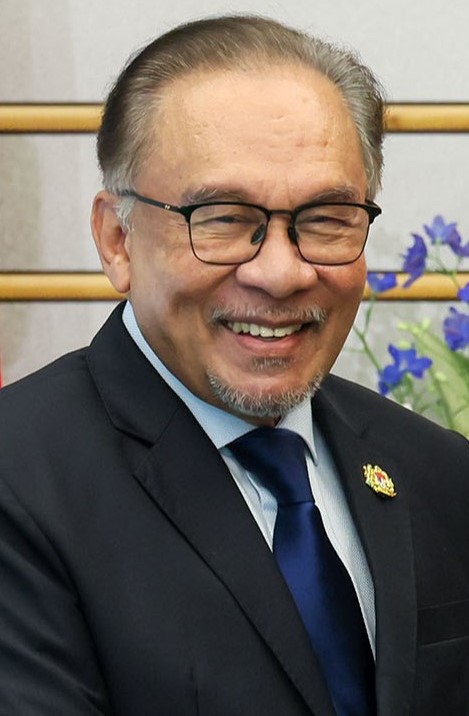
Dr Haim Hilman Abdullah, the assemblyman representing Jitra, is scheduled to make his court appearance at the Seremban magistrate's court on charges linked to earlier statements the politician made about university entry opportunities. The legal proceedings represent a significant development in what has become an increasingly high-profile controversy involving one of Kedah's legislative representatives.
The allegations against the Jitra assemblyman centre on claims he had previously articulated regarding pathways to higher education institutions. The specifics surrounding these assertions—and how they diverged from factual circumstances—remain the subject of formal investigation and prosecution. Such matters touching on educational access carry considerable weight in Malaysian public discourse, particularly given ongoing national conversations about fairness and transparency in university admissions processes.
The case emerges at a moment when Malaysia's education sector faces intensifying scrutiny regarding meritocratic standards and the equitable distribution of places in tertiary institutions. Public figures making pronouncements about admission procedures carry heightened responsibility, as statements can influence public perception and shape expectations among students and families navigating the competitive university entrance landscape. When such representations are later found to be questionable, the reputational and legal consequences tend to be substantial.
For Kedah's political landscape, the development introduces an element of uncertainty regarding the Jitra seat. The assemblyman's legal situation will inevitably draw media attention and public commentary throughout the proceedings, potentially affecting his constituents' confidence in his representation and the broader governance environment in the northern state. Political observers will be watching to gauge whether this matter influences Jitra's electoral dynamics or extends to broader state-level political calculations.
The Seremban venue for the magistrate's court hearing is noteworthy, as it places the proceedings in Negeri Sembilan rather than in Kedah, where Jitra is located. This jurisdictional determination may relate to where the alleged offences occurred or where relevant authority rests. The choice of forum can occasionally carry procedural implications, though the substantive legal questions will remain consistent regardless of venue.
Higher education in Malaysia remains a subject of considerable national importance, given its implications for youth employment prospects and social mobility. When public officials make statements about access to universities, they engage with an issue that touches millions of Malaysians and their families. Allegations that such statements were misleading thus attract public concern extending well beyond the individuals directly involved. The broader question of accountability in public discourse surrounding education becomes central to understanding the significance of this case.
The timing of legal action against an elected representative also intersects with broader conversations about political responsibility and integrity. Malaysian voters have increasingly demonstrated expectations that elected officials maintain high standards of honesty and accuracy in their public communications. Cases where politicians face legal consequences for allegedly misleading claims contribute to these evolving standards, whether through formal prosecution or through the political consequences that follow public scrutiny.
For the legal system's perspective, the charge represents an attempt to establish accountability through formal judicial processes. The magistrate's court will examine the evidence surrounding the claims Dr Haim Hilman made regarding university access, assessing whether these statements constituted actionable offences under applicable Malaysian law. The outcome will help clarify the legal boundaries governing political speech and public official communications in Malaysia.
Regional observers of Malaysian politics will note that such legal proceedings involving elected legislators remain relatively uncommon, making this case a potential point of reference for future discussions about enforcement mechanisms for holding public figures accountable. Southeast Asia's broader democratic development depends partly on whether elected representatives face meaningful consequences when their public statements cross from legitimate political advocacy into territory that law enforcement authorities determine warrants prosecution.
The Jitra assemblyman's scheduled appearance will provide clarity on the charges he faces and the formal initiation of legal proceedings. How he responds to the allegations, the evidence presented by prosecutors, and ultimately the court's assessment will shape perceptions of political accountability in Kedah and contribute to evolving standards for public official conduct across Malaysia more broadly. The case serves as a reminder that elected representatives' words carry legal dimensions beyond mere political consequences.