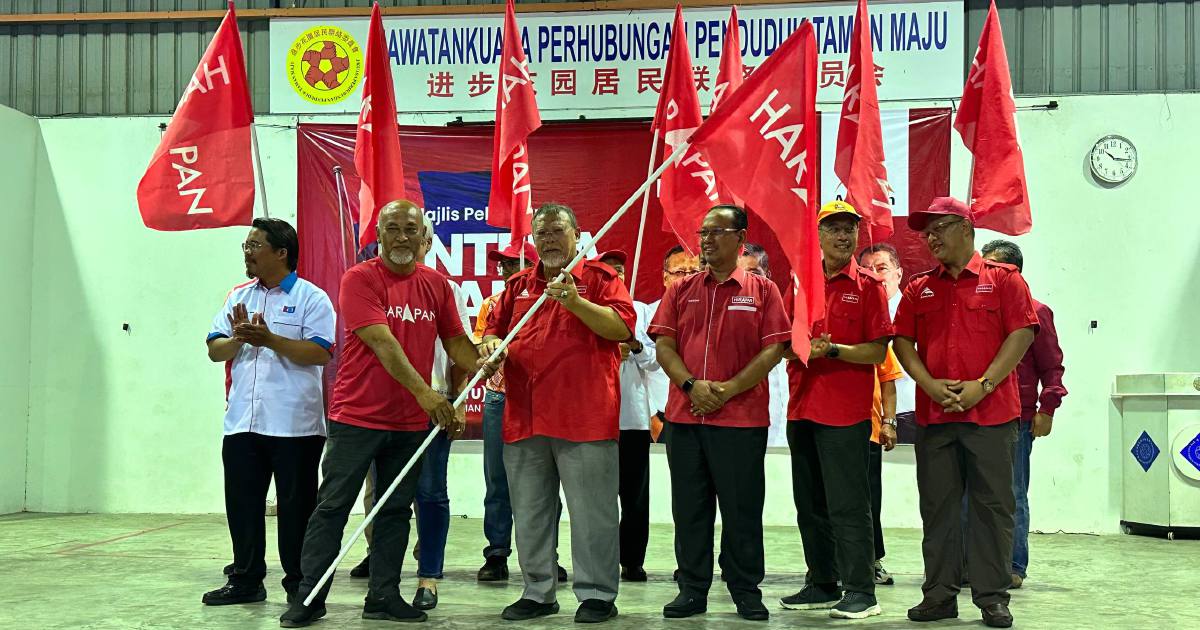
The PKR-aligned Amanah party has signalled ambitious intentions for the forthcoming Johor state election scheduled for July 11, positioning itself as a meaningful force in the northern constituencies. Speaking at a campaign event in Batu Pahat, party officials outlined their electoral strategy, emphasising their expectation to capture at least six of the ten state assembly seats they are fielding across the region. This projection reflects growing confidence within the party's machinery and suggests they view this election as an opportunity to expand their presence in the state's political landscape.
Johor's northern zone has historically been competitive terrain where multiple political movements vie for voter support. The region encompasses constituencies with diverse demographic compositions and varying levels of urbanisation, from industrial areas to more rural communities. Amanah's decision to contest ten seats in this zone indicates a calculated assessment of receptivity to their political platform among northern voters. The party's specific focus on the northern constituencies rather than attempting a statewide presence suggests a concentrated ground campaign targeting voters they believe are persuadable to their reformist messaging.
The timing of this electoral exercise carries significance for Malaysian politics more broadly. State elections in Johor have traditionally served as indicators of broader political sentiment, particularly regarding the performance of coalition partners and the strength of competing blocs. Amanah's confidence in this specific outcome will be tested against the actual voting patterns that emerge on July 11. The party's willingness to publicise such concrete targets reflects both internal polling data and party leadership's assessment of their organisational readiness across these constituencies.
Amanah's positioning within the larger political ecosystem has evolved considerably since the party's formation in 2015. As part of the PKR-led opposition coalition, Amanah has carved out a distinct identity focused on governance reform and inclusive politics. Their presence in Johor, a state traditionally dominated by UMNO and more recently contested by Perikatan Nasional and Pakatan Harapan variants, represents an effort to consolidate the reformist vote. The northern zone represents an area where such messaging potentially resonates, particularly among younger voters and urban professionals concerned with transparent administration.
The party's campaign messaging in Batu Pahat and surrounding areas has emphasised their track record in state and federal governance, where Amanah representatives have served in various capacities. They are likely positioning themselves as a responsible alternative to both the ruling federal administration and other opposition components. This positioning requires demonstrating that they can deliver tangible benefits to constituents whilst maintaining their political principles. The six-seat target appears calculated to be ambitious without straining credibility—it represents a meaningful gain without projecting unrealistic expectations.
Voter registration and demographic shifts have created new dynamics in Johor constituencies that may favour parties with fresh political narratives. Amanah benefits from not carrying the same historical baggage as older-established parties, though they must overcome lower name recognition compared to UMNO, DAP, or other longer-established rivals. Their northern zone strategy concentrates resources where they have identified competitive opportunities rather than scattering efforts across constituencies where victory would be substantially more difficult.
The coalition dynamics within Johor's opposition movement will influence whether Amanah achieves its stated goal. Their coordination with DAP and PKR regarding seat allocation will be crucial; any internal contests or fragmentation could harm Amanah's prospects. Conversely, effective coalition unity could amplify their capacity to attract swing voters who might otherwise default to incumbent parties. The specific constituencies Amanah is contesting likely represent areas where their candidates present competitive profiles against rival contenders.
Socioeconomic conditions in Johor's northern region have evolved significantly, with manufacturing clusters, port activities, and agricultural communities coexisting. Amanah's campaign platforms addressing employment, small business support, and environmental concerns will resonate differently depending on specific constituency compositions. The party's ability to articulate localised solutions to region-specific challenges whilst maintaining consistent broader policy positions will be critical to converting campaign confidence into actual electoral victories.
The July 11 election will provide empirical assessment of Amanah's actual support levels in Johor. Whether the party exceeds its six-seat minimum target, meets it precisely, or falls short will carry implications for their standing within the broader opposition coalition and their strategic planning for future electoral contests. For Malaysian politics, Amanah's performance in Johor constitutes one among several metrics by which the evolving structure of political competition is being measured, reflecting how voter preferences continue to shift across the federation's complex multiethnic and multiparty landscape.
%22%2F%3E%3C%2Fpattern%3E%3C%2Fdefs%3E%3Crect%20width%3D%22100%25%22%20height%3D%22100%25%22%20fill%3D%22url(%23ph4hqahg)%22%2F%3E%3Crect%20width%3D%22100%25%22%20height%3D%22100%25%22%20fill%3D%22url(%23ph4hqahp)%22%2F%3E%3Ctext%20x%3D%2250%25%22%20y%3D%2250%25%22%20text-anchor%3D%22middle%22%20dominant-baseline%3D%22central%22%20fill%3D%22rgba(255%2C255%2C255%2C0.95)%22%20font-family%3D%22Georgia%2C%20'Times%20New%20Roman'%2C%20serif%22%20font-weight%3D%22700%22%20font-size%3D%22272%22%20letter-spacing%3D%22-0.02em%22%3ETrump%3C%2Ftext%3E%3C%2Fsvg%3E)
%22%2F%3E%3C%2Fpattern%3E%3C%2Fdefs%3E%3Crect%20width%3D%22100%25%22%20height%3D%22100%25%22%20fill%3D%22url(%23ph3mmkqg)%22%2F%3E%3Crect%20width%3D%22100%25%22%20height%3D%22100%25%22%20fill%3D%22url(%23ph3mmkqp)%22%2F%3E%3Ctext%20x%3D%2250%25%22%20y%3D%2250%25%22%20text-anchor%3D%22middle%22%20dominant-baseline%3D%22central%22%20fill%3D%22rgba(255%2C255%2C255%2C0.95)%22%20font-family%3D%22Georgia%2C%20'Times%20New%20Roman'%2C%20serif%22%20font-weight%3D%22700%22%20font-size%3D%22320%22%20letter-spacing%3D%22-0.02em%22%3EIran%3C%2Ftext%3E%3C%2Fsvg%3E)