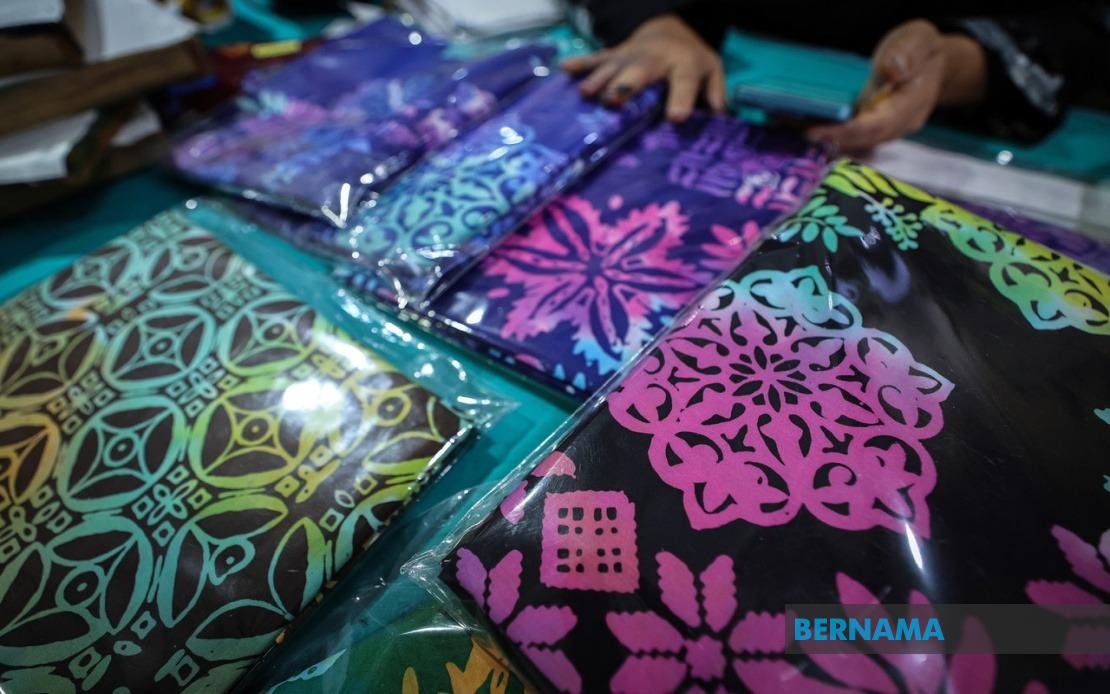
Batik production in Malaysia has long been synonymous with East Coast states such as Terengganu and Kelantan, but artisans in Johor are successfully carving out a distinct market niche by rooting their designs in the state's unique natural environment and cultural heritage. Through carefully selected motifs drawn from local history and geography, producers like Maimunah Yaacob are demonstrating that batik identity can transcend regional boundaries, offering collectors and consumers an authentic southern perspective on this traditional textile art form.
The foundation of Johor Batik rests on a deliberate strategy to incorporate elements that directly reflect the state's economic history, ecological characteristics, and geographical diversity. Designs feature representations of black pepper and gambir—crops historically significant to Johor's agricultural economy—alongside visual interpretations of mangrove forests and coral reef ecosystems that define coastal areas. Tiger-stripe patterns honour the state's wildlife heritage, while regionally specific motifs distinguish districts such as Muar and Pontian through berembang tree imagery and pineapple symbolism. This approach transforms each textile into a narrative document of place, connecting wearers to Johor's identity through fabric itself.
Maimunah Yaacob has emerged as a central figure in establishing and promoting this regional craft tradition. At 58 years old, she has dedicated three decades to developing batik production in Johor, beginning her journey in 1993 when she undertook initial training in Terengganu's established batik centres. Following additional professional instruction in Kuala Lumpur that extended across two years, she launched her enterprise with minimal capital of RM2,000, operating from her home kitchen during the early stages. This modest beginning underscores both her commitment and the grassroots nature of Johor Batik's development as a market segment distinct from more established producers in other states.
Maimunah's business philosophy centres on innovation within tradition—a strategy that distinguishes her work from competitors. When she entered the market, she deliberately avoided replicating designs already saturated in existing batik markets, instead focusing on creating patterns that reflected Johor's specific heritage and environment. This differentiation strategy proved commercially viable, allowing her to build a sustainable enterprise while preserving authentic hand-drawn techniques that increasingly face pressure from machine-printed alternatives offering lower costs and faster production cycles.
Authentic hand-drawn batik, created using traditional canting tools and hot wax application methods, produces distinctive visual and tactile characteristics impossible to replicate through industrial printing. The dye penetrates uniformly through both fabric sides, creating depth and consistency that distinguishes genuine batik from printed textiles. This quality difference, while visible to trained eyes and tactile when handled, represents a crucial selling point in markets where consumers value craftsmanship and heritage. Maimunah's commitment to maintaining these traditional techniques reflects broader preservation concerns as mechanised production continues expanding across Southeast Asia.
Operating from Ranorm Batik Creation in Kampung Singapura, Tanjung Sedili, Maimunah manages production while navigating contemporary market pressures. Her product range spans from accessory items priced at RM35 for headscarves to luxury pieces commanding several hundred ringgit for silk attire sets, demonstrating vertical market segmentation that captures diverse consumer preferences. Recognising demographic shifts in purchasing patterns, she has begun introducing contemporary and casual designs specifically calibrated to appeal to younger consumers who may lack traditional batik purchasing habits but respond to modern styling and versatility.
Market validation for Johor Batik has emerged through multiple channels, expanding beyond domestic recognition. Participation in events such as the National Craft Day celebration in Kuala Lumpur and the Johor Craft Festival has provided crucial visibility, while international interest from Singapore-based buyers indicates regional appreciation for these locally rooted designs. Such cross-border interest suggests that heritage-based differentiation holds commercial appeal beyond state boundaries, potentially opening export pathways that could sustain artisan livelihoods and encourage sector expansion.
The sustainability of Johor Batik as a craft tradition depends significantly on intergenerational knowledge transfer and formalised skill development. Maimunah has articulated hopes for expanded training programmes and educational initiatives that would systematically transmit batik-making expertise to younger Malaysians, building institutional capacity beyond individual artisans. Without such programmes, knowledge preservation risks remaining concentrated among experienced practitioners, creating vulnerability to skill loss and market disruption should key artisans retire or relocate. Government and industry bodies increasingly recognise batik as a cultural asset worthy of preservation investment, yet formal support structures remain underdeveloped compared to international craft economies.
The Johor Batik initiative carries implications extending beyond textile production into broader cultural and economic dimensions. It demonstrates how regional identity and natural heritage can form the foundation for distinctive market products that compete through authenticity rather than cost-leadership alone. For Malaysian consumers and regional tourists, Johor Batik offers an alternative to mass-produced textiles while supporting local artisans and preserving traditional techniques. This model aligns with growing global consumer preference for heritage products with transparent provenance, positioning Johor as a destination for culturally meaningful purchases rather than commodified goods.
Future development of Johor Batik depends on balancing preservation of traditional techniques with contemporary market demands and accessibility considerations. While hand-drawn methods produce superior aesthetic and tactile qualities, production volumes remain constrained compared to mechanised alternatives, limiting market penetration and pricing competitiveness. Strategic initiatives combining heritage preservation with modest technological adoption—such as digital design tools for pattern development while maintaining hand-application of dyes—could expand production capacity while maintaining authenticity. Simultaneously, targeted marketing emphasising Johor's unique design vocabulary and cultural significance could cultivate consumer segments valuing heritage credentials over price minimisation.

