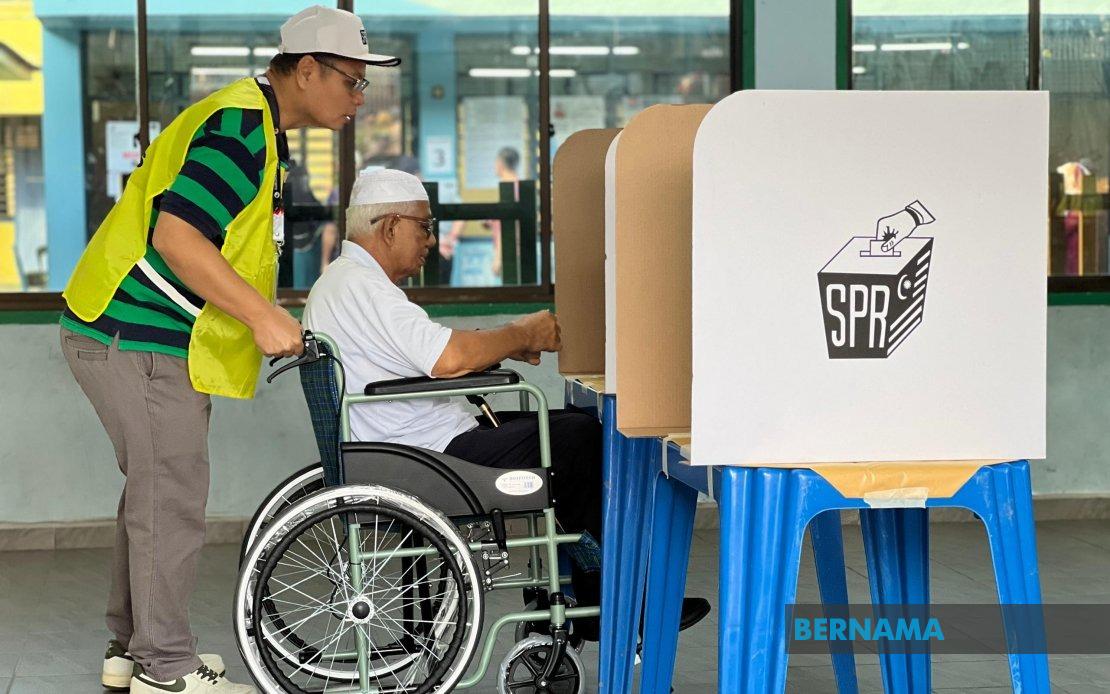
Voters in Johor began casting their ballots on July 11 as 1,076 polling centres opened simultaneously at 8 am across the state, marking the beginning of the 16th Johor state election. The simultaneous opening of all polling stations, comprising 4,889 separate polling streams, ensured fair and coordinated commencement of the voting process statewide. This carefully orchestrated logistics operation represented the culmination of weeks of electoral preparation and was designed to give all eligible citizens equal opportunity to participate in choosing their next state government.
The election encompasses a substantial portion of Malaysia's voting population, with 2.7 million registered voters across the state exercising their franchise. Polling operations were scheduled to continue throughout the day until 6 pm, providing voters with a 10-hour window to participate. However, recognising operational efficiency in constituencies with smaller populations, the Election Commission arranged for certain polling centres to conclude voting earlier, with closures beginning as soon as 11 am in areas where voter numbers warranted shorter operating hours.
The field of candidates contesting this election reflects varied levels of competition across different constituencies. A total of 172 candidates are vying for representation in the 56 State Legislative Assembly seats, creating multiple contest formats. The breakdown reveals 12 four-cornered contests where four different candidates seek the same seat, 27 three-cornered contests with three contenders each, and 14 straight fights involving just two candidates per constituency. This diverse competitive landscape means voters across the state face different choices depending on their electoral district, ranging from straightforward binary decisions to more complex multi-candidate selections.
The Election Commission had established an ambitious target of achieving approximately 70 per cent voter turnout, reflecting expectations of substantial public participation in this state-level poll. Officials indicated that complete election results were anticipated to be available as early as 10 pm on the same day, allowing rapid conclusion of the counting and verification process once all voting had concluded. This projected swift outcome would enable swift formation of government and resolution of the electoral process without extended uncertainty.
Security arrangements were prioritised throughout polling operations to maintain the integrity of the democratic process. On-ground observations from Bernama at various polling stations confirmed deployment of security personnel at voting venues. Their presence served dual purposes: ensuring voter safety and preventing any disruptions or irregularities that might compromise the legitimacy of electoral proceedings. The visible security presence reassured voters and demonstrated the Election Commission's commitment to safeguarding the sanctity of the ballot.
Media coverage commenced early, with journalists positioning themselves at polling stations from 7 am onwards, an hour before voting began. This early media deployment reflected the significant public interest in the Johor election and the importance assigned to real-time reporting of voting patterns and developments. News organisations sought to provide comprehensive coverage of how voting unfolded across different constituencies, capturing the dynamic nature of Malaysia's electoral process as it happened.
Weather conditions favoured voting operations across most of the state, with generally clear skies predominating on polling day. The exception was Muar, which experienced rainfall during the morning period. Whilst this did not prevent voting, wet conditions in that constituency may have affected voter convenience and turnout patterns, though such weather challenges are typical considerations in managing polling day logistics in Malaysia's tropical climate.
The 2.7 million registered voters across Johor represent a significant democratic exercise for the state. The magnitude of this electoral participation underscores Johor's importance within Malaysia's political landscape. As the nation's southernmost state and home to substantial population centres, Johor's electoral outcomes carry implications extending beyond state governance, often influencing broader national political dynamics and coalition considerations at federal level.
For Malaysian observers tracking electoral trends, the Johor contest provided insights into voter preferences during a period of significant political flux nationally. Johor has historically served as a political bellwether, and election results typically offer indicators of shifting voter sentiment. The diverse contest formats—ranging from straight fights to four-cornered contests—also demonstrated how political competition varies significantly across constituencies, suggesting different local political dynamics and candidate strength across the state.
The infrastructure required to conduct this election was substantial, involving coordination across 1,076 separate venues managing nearly 4,900 polling streams simultaneously. This logistical undertaking required months of planning by the Election Commission, including voter registration verification, staff training, materials procurement, and security arrangements. The seamless 8 am opening across all centres demonstrated operational competence in managing elections at scale within Malaysia's democratic system.

