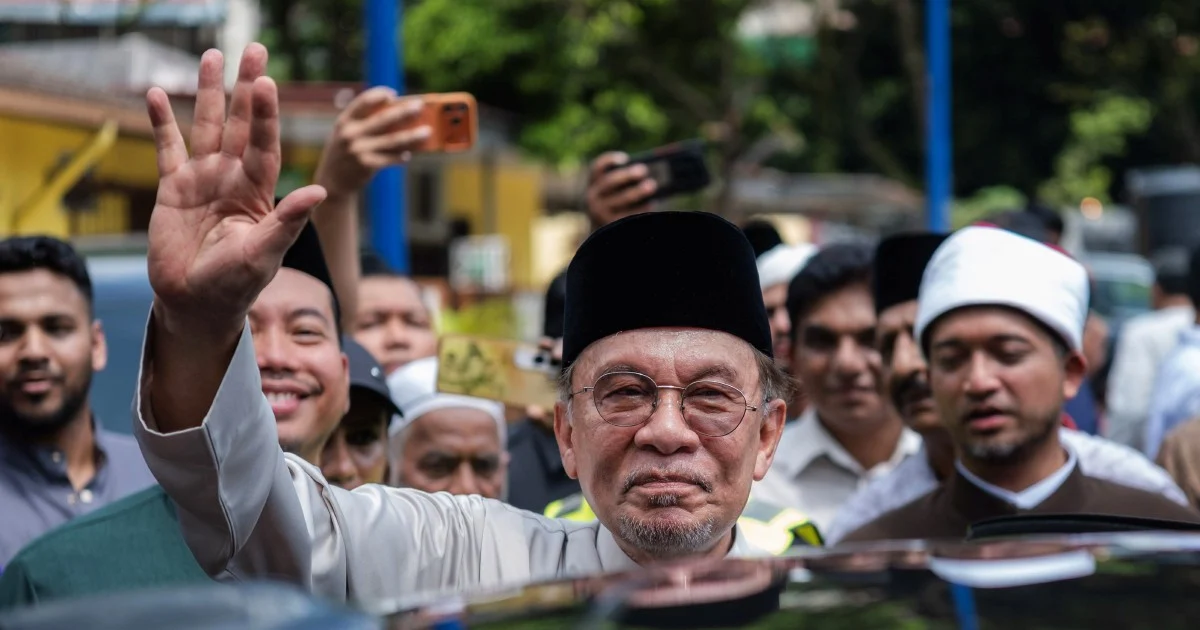
The Johor state election is reaching a crescendo of political activity this weekend as Malaysia's highest-ranking government officials and opposition leaders mobilise their supporters across the southern state. Prime Minister Anwar Ibrahim, Deputy Prime Minister Zahid Hamidi, and other national political heavyweight names are expected to hit the ground in Johor, orchestrating a coordinated push through campaign rallies and public ceramahs designed to energise their respective party bases and sway undecided voters.
The convergence of so many senior political figures underscores the significance of the Johor election, traditionally one of Malaysia's most closely watched contests. The state has historically served as a barometer for broader national sentiment, making the outcome particularly consequential for whichever coalition emerges victorious. The scale and intensity of this weekend's campaign activities reflect how both the governing coalition and opposition see Johor as critical to their political fortunes and credibility heading into any future national electoral contests.
For Malaysian voters in Johor, the presence of top-tier national leaders provides an opportunity to witness firsthand the priorities and messaging of each camp on major national issues. These ceramahs and campaign gatherings typically extend beyond local state-level concerns to encompass broader matters affecting the country as a whole, including economic management, religious and racial harmony, and governance standards. The speeches and policy positions articulated this weekend will likely become reference points in the broader national political discourse.
The decision by such prominent figures to personally campaign in Johor suggests both camps view the election outcome as genuinely competitive and uncertain. In Malaysian politics, the deployment of senior leadership to particular constituencies or states traditionally indicates where parties believe they face the greatest opportunity for gains or where they must defend vulnerable positions. The fact that multiple national leaders are committing their time to Johor events indicates that several key parliamentary and state seats may be in genuine contention.
From a regional perspective, the Johor election carries implications beyond Malaysia's borders. As Southeast Asia's third-largest economy and home to a significant manufacturing and petrochemical sector, Johor's political stability and economic governance are matters of interest to investors and neighbouring governments. The outcome may influence business confidence and investment decisions across the region, particularly among companies with operations or planned investments in the state's industrial zones and ports.
The timing of this intensified campaign push reflects the typical arc of Malaysian electoral contests, where the final week before voting day sees accelerated activity as parties make their final appeals to voters. The weekend campaign blitz allows political parties to reach the maximum number of voters before polling day, with ceramahs providing opportunities for direct engagement and question-and-answer interactions that television advertising and social media cannot fully replicate.
For the Prime Minister and Deputy Prime Minister to personally participate in Johor campaigns signals the issue's priority within the federal government's political calculus. Their attendance legitimises the state-level contests as matters of national importance and demonstrates party commitment to victory. Conversely, the opposition's deployment of its own senior figures represents an attempt to reclaim political momentum and challenge the government's narrative on its own turf.
The various campaign events scheduled across Johor throughout the weekend will likely showcase distinct messaging from each political grouping. Government-aligned parties tend to emphasise development achievements, economic initiatives, and stability, while opposition figures typically focus on accountability, alternative governance approaches, and addressing citizens' grievances. Malaysian voters will thus have the opportunity to compare and contrast these competing visions for the state's future.
The concentration of high-profile political activity in Johor over a single weekend also highlights how Malaysian election campaigns operate, with significant resources deployed during compressed timeframes. This intensity creates media saturation and heightened public awareness of the contest, ensuring that even less politically engaged citizens become aware of the election and the key players involved.
As the weekend approaches, Johor's political landscape will transform with banners, posters, and campaign materials proliferating throughout towns and cities. Traffic in major centres like Johor Baru may experience disruptions as large crowds gather for ceramahs and rallies. Residents should expect heightened political discourse across all media platforms, with social media likely to amplify campaign messages and counter-messaging throughout the weekend.
The outcome of these intensified final campaign efforts may ultimately prove decisive in determining which coalition can better mobilise its supporters and persuade swing voters. Given Malaysia's closely divided electorate and the state's historical role as a political bellwether, the results from Johor could carry far-reaching consequences for both state governance and the broader political direction of the country in the months and years ahead.

