The Johor State Election Dialogue is set to proceed as planned on Tuesday, July 7, despite the notable absence of Menteri Besar Datuk Onn Hafiz Ghazi, who has cited existing commitments preventing his participation in the public engagement event. The programme, co-organised by RTM, Astro AWANI and Sinar Harian, will unfold at the RTM Auditorium within the Johor Broadcasting Department beginning at 8 pm, offering what organisers describe as an important platform for electoral candidates to address the state's electorate.
Confirmation of the Menteri Besar's non-attendance came directly from his office when contacted by media representatives. A spokesperson from Onn Hafiz's team provided brief confirmation that the state leader does not feature on the event's programme itinerary, effectively closing speculation about his possible participation. The clarity on this point matters significantly in the context of Malaysia's electoral environment, where the presence or absence of sitting executives can shape public perception of engagement levels and confidence in the political process.
The dialogue event has attracted considerable organisational effort from the three major media partners, which formally extended invitations to both Onn Hafiz and his likely political opponent. The structured conversation is designed to occupy roughly one hour of broadcast and in-person engagement, during which participants are expected to articulate their respective visions, policy platforms, developmental priorities and proposed solutions to issues that concern Johor's residents. This format aims to provide voters with substantive information about competing platforms ahead of the imminent electoral contest.
Communications Minister Datuk Fahmi Fadzil has confirmed his attendance, bringing federal-level representation to what is ostensibly a state-focused dialogue. His presence underscores the interconnected nature of Malaysian politics, where federal personalities frequently feature in state electoral campaigns. Also expected to participate is Dr Maszlee Malik, the Pakatan Harapan candidate contesting the Puteri Wangsa state seat, representing the coalition's bid to contest in the Johor election and potentially expand its legislative footprint in the peninsular state.
The event anticipates drawing approximately 200 participants representing a cross-section of government departments, statutory agencies and MADANI Communities—part of the federal administration's community engagement framework. This substantial attendance figure suggests the organisers envision the dialogue as a significant public forum rather than an exclusive political event, with government representatives and community members together witnessing and potentially engaging with the electoral messaging on offer.
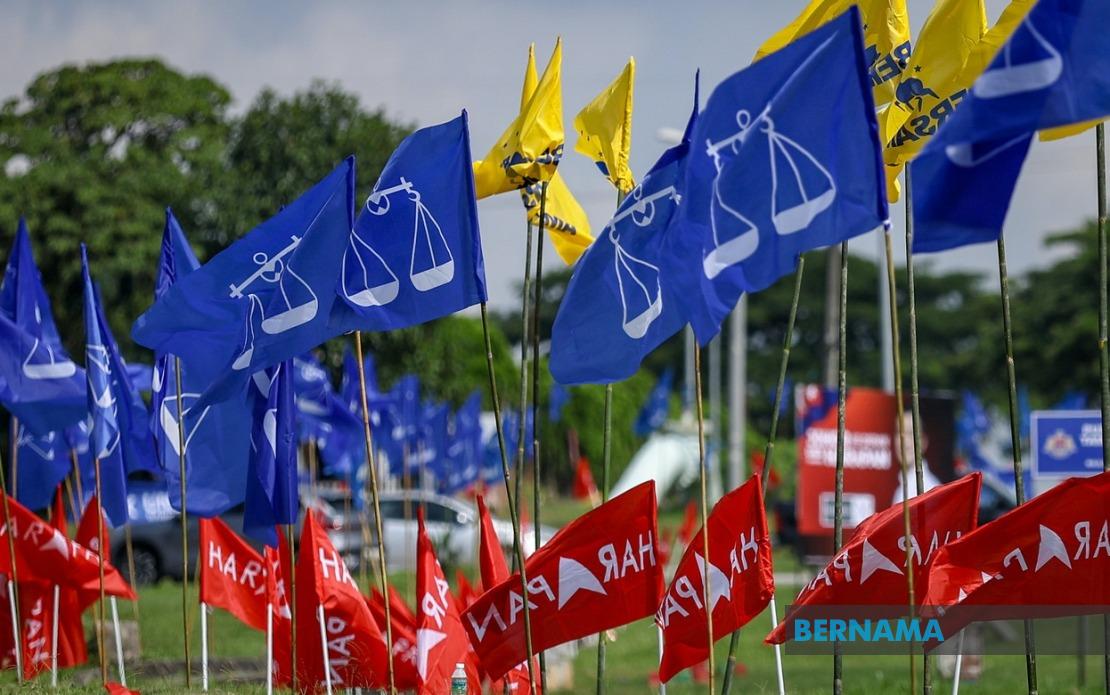
The timing of the dialogue merits particular attention given Johor's current electoral calendar. The 16th Johor State Election encompasses a competitive landscape where 172 candidates will contest 56 available seats across the state assembly. Polling is scheduled for July 11, with early voting opportunities available on July 7—the very date of this dialogue. This scheduling creates a compressed timeline in which voters, candidates and observers must absorb campaign messaging and make electoral decisions, making public forums like this dialogue functionally important in the information ecosystem during campaign season.
The Menteri Besar's unavailability, while explained as arising from other obligations, occurs at a politically sensitive juncture. State leaders facing re-election or defending their administrations typically prioritise public engagement opportunities where they can directly address constituents and articulate their governance record. His absence from this structured, broadcast dialogue therefore represents a notable gap in the incumbent's electoral strategy, potentially leaving space for opposition voices to dominate the conversation without direct counterargument from the state executive branch.
From a Malaysian political perspective, this scenario reflects broader patterns in state-level electoral contests where broadcast dialogues have become expected fixtures of campaign cycles. The involvement of RTM and Astro AWANI—major national broadcasters—ensures the conversation will reach audiences well beyond Johor's borders, with implications for how the state election and its political dynamics are perceived nationally. Regional viewers and political observers across Southeast Asia often monitor Malaysian electoral contests as indicators of the country's political health and competitive dynamics.
The Puteri Wangsa seat and Dr Maszlee Malik's candidacy represent a specific focal point within the broader electoral contest. This particular state seat has drawn attention due to its demographic composition and the profile of candidates seeking it, making the dialogue an opportunity for Dr Maszlee to articulate Pakatan Harapan's platform to voters in this contested constituency. His participation, coupled with the Communications Minister's presence, ensures opposition and federal-government representation at the forum.
Organisers and broadcasters have structured the dialogue to emphasise balance and fairness in platform access, seeking to provide citizens with comparable opportunities to assess competing candidates and their policy positions. However, the Menteri Besar's absence inevitably affects the dialogue's dynamic, reducing the sitting executive's direct voice in the pre-election conversation even as the event proceeds with full organisational commitment from the media partners and government agencies involved.
As Johor voters prepare for polling on July 11, this dialogue represents one of the final major public forums in which electoral messaging will be broadcast and disseminated. The state's electoral outcome could have ripple effects for national political calculations and coalition positioning, making the quality and comprehensiveness of pre-election engagement forums consequential for democratic participation. Despite the Menteri Besar's absence, the event's continuation demonstrates commitment to facilitating voter information access during the critical final days of the campaign.

