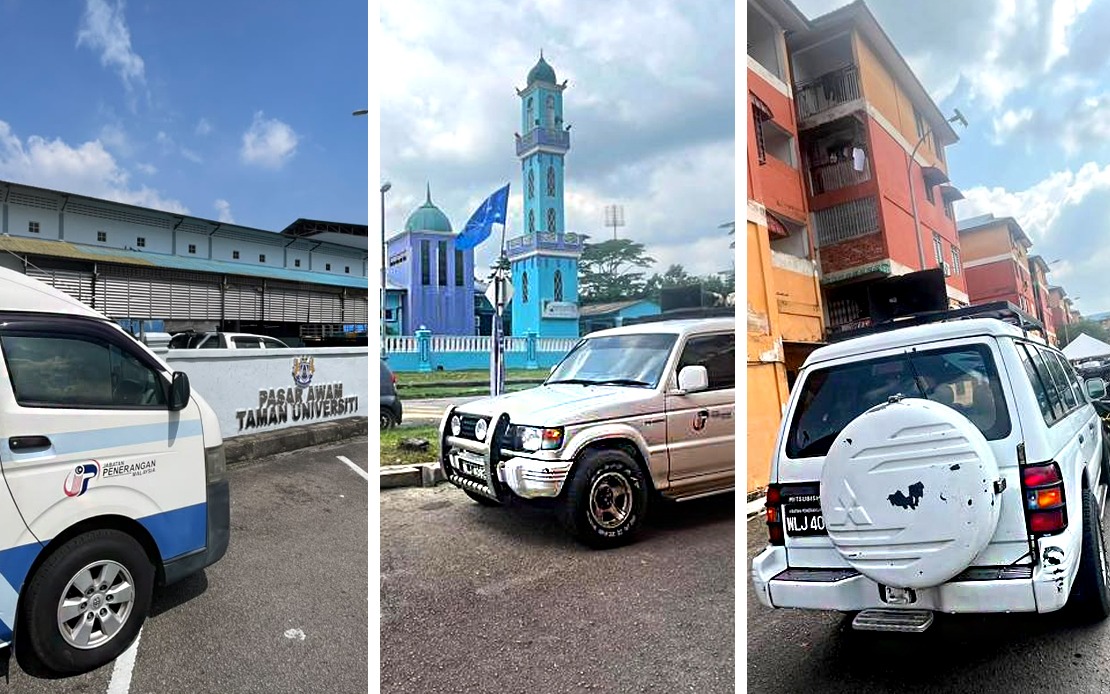
With the 16th Johor state election set for Saturday, the state's information authorities are making a coordinated push to ensure citizens understand their voting options and turn out to cast their ballots. The Johor Department of Information (JAPEN) has positioned 26 Info On Wheels (IOW) mobile units strategically throughout the state, creating what officials describe as a decentralised approach to civic engagement that brings electoral messaging directly to voters rather than waiting for people to seek information independently.
JAPEN director Mohd Rizal Hashim explained that the deployment spans all 10 districts and encompasses each of the 56 state constituencies, ensuring that even communities traditionally distant from political messaging centres receive official updates. This comprehensive geographical coverage reflects growing recognition among Malaysian electoral authorities that uneven information distribution can inadvertently suppress turnout in rural and peripheral areas. The mobile unit strategy acknowledges that voters in Felda settlements, Orang Asli villages, and sprawling residential neighbourhoods may lack convenient access to traditional information channels.
The intensity of the campaign will peak during the final three days before polling day, with JAPEN personnel scheduling announcements during morning and evening peak hours when radio listenership and foot traffic are typically highest. These reminders will focus on practical voter concerns: confirming registration status, understanding polling locations, and planning travel arrangements. By framing voting as a logistical challenge to be solved rather than merely a civic duty, JAPEN aims to reduce friction points that might otherwise deter participation, particularly among working voters who juggle multiple commitments.
Beyond distributing Election Commission information about dates and procedures, JAPEN's mandate extends into what Mohd Rizal characterised as a counter-misinformation operation. Election periods in Malaysia have increasingly become focal points for the rapid spread of unverified claims and inflammatory statements across social media platforms, and the information department has positioned itself as an antidote through face-to-face engagement. By deploying personnel into communities for direct advocacy, officials hope to establish trust-based relationships that inoculate voters against false narratives circulating online.
The emphasis on combating fake news and slander reflects broader regional anxieties about election integrity in Southeast Asia, where voters in Thailand, Indonesia, and the Philippines have faced coordinated disinformation campaigns. Malaysia's experience has been less acute but sufficiently concerning that state authorities now treat information management as integral to democratic process. JAPEN's strategy recognises that traditional media literacy interventions often fail to reach the demographic most vulnerable to false claims, whereas interpersonal communication by government representatives can build credibility.
Mohd Rizal positioned voting not merely as a right but as an essential mechanism through which citizens exercise agency over their collective future. This framing—connecting individual ballot-casting to state-wide development priorities, economic trajectories, and population welfare over the next five-year term—attempts to elevate voting beyond partisan choice to broader social responsibility. This rhetorical approach has become standard in Malaysian electoral campaigns, appealing to voters' sense that their participation determines whether resources flow toward education, healthcare, infrastructure, or other priorities.
The decision to concentrate messaging in the final 72 hours before Saturday's polling suggests JAPEN believes peak effectiveness occurs when voting remains temporally immediate and psychologically salient. This tactical timing also minimises the risk that voters will forget announcements or misplace information by the time they reach polling stations. The morning and evening scheduling acknowledges that these windows capture voters during commutes and family time, when captive audiences may absorb information more effectively than during workday hours.
For Malaysian voters, particularly those in Johor's more remote constituencies, the mobile unit deployment represents an effort to democratise access to election-day information. Historically, urban voters with internet connectivity and proximity to administrative centres have enjoyed informational advantages, while rural populations have relied on informal networks or television broadcasts. By bringing official information to villages and settlements, JAPEN potentially narrows this gap, though questions remain about whether 26 units can adequately cover all 56 constituencies simultaneously.
The campaign also reveals underlying anxieties about voter engagement in an era of platform-mediated information. Mohd Rizal's repeated warnings about social media vigilance suggest officials recognise that their mobile units compete for attention against algorithmic feeds engineered to maximise engagement through sensationalism. The explicit framing of elections within a framework of peaceful, harmonious decision-making indicates concern that polarising narratives could undermine post-election stability or governance legitimacy.
From a Southeast Asian perspective, Johor's approach represents moderate investment in institutional credibility-building. Unlike some regional counterparts that impose strict media controls or mobilise security forces for election monitoring, Malaysia's information strategy emphasises persuasion and community outreach. This reflects both the state's confidence in its institutional legitimacy and recognition that heavy-handed approaches carry political costs that outweigh benefits.
The success of Saturday's election will partly depend on whether JAPEN's deployment achieves meaningful engagement. Voter turnout metrics will reveal whether mobile units actually shift behaviour or function as background ambient information. Additionally, observers will monitor whether the counter-misinformation messaging demonstrates measurable impact on voters' ability to distinguish verified information from false claims. These outcomes carry implications for how Malaysian authorities structure future electoral communication campaigns.
For voters planning to participate this Saturday, JAPEN's explicit counsel to arrange travel logistics early and verify registration status offers practical guidance. The department's emphasis that citizens have already missed the opportunity to vote reflects Malaysia's fixed electoral calendar and non-flexible registration deadlines. As polling day approaches, eligible Johor residents must navigate the final 72 hours during which JAPEN's mobile units will be most visible, attempting to convert awareness into action.

