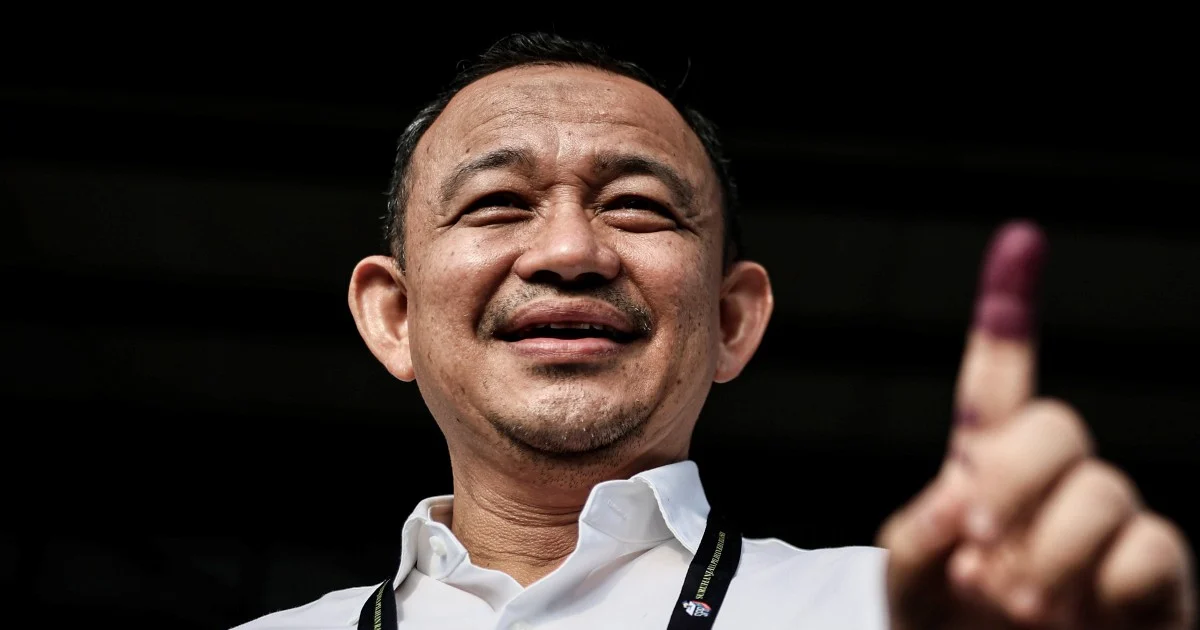
Dr Maszlee Malik, the former federal education minister, is positioned to achieve a historic milestone for his party as unofficial tallies from the Johor state election suggest he will clinch the Puteri Wangsa seat. The result would mark PKR's first electoral victory in a Johor state election—a meaningful achievement for Pakatan Harapan in a state where the coalition has historically struggled to make headway against the dominant Barisan Nasional.
Maszlee's impending success in Puteri Wangsa carries broader implications for the political landscape in Johor, Malaysia's second-largest state by population and a crucial battleground in national politics. His candidacy represented a calculated attempt by PKR to leverage the former minister's policy credentials and national profile to penetrate constituencies where opposition politics had previously failed to gain traction. The victory, if confirmed, would signal that opposition messaging resonates in at least some urban and semi-urban Johor constituencies, potentially reshaping assumptions about the state's electoral dynamics heading into future contests.
Simultaneously, the election results reveal a contrasting trend that complicates the overall picture. Barisan Nasional has successfully penetrated several constituencies traditionally considered Pakatan Harapan strongholds, suggesting the coalition's grip on its own base may not be as secure as previously believed. This territorial expansion by BN indicates that the ruling coalition remains competitive even in areas where opposition parties have previously performed strongly, reflecting effective ground organisation or shifts in voter sentiment on specific local issues.
The Johor state election unfolds against the backdrop of Malaysia's fractured political environment, where neither major coalition commands overwhelming dominance and swing voters in marginal constituencies wield disproportionate influence over outcomes. The state has become a microcosm of broader national tensions between Barisan Nasional's traditional machinery and Pakatan Harapan's newer mobilisation networks. For Malaysian observers, results from Johor carry significance beyond the state itself—they often foreshadow patterns that emerge in subsequent national contests.
PKR's achievement in Puteri Wangsa, assuming it holds as official results are confirmed, breaks a frustrating drought for the Anwar Ibrahim-led party in Johor state elections. The PKR has built a respectable presence in peninsular Malaysia through Selangor and Kuala Lumpur, but Johor has remained a difficult frontier where local politics, historical allegiances, and Umno's traditional organisational strength have combined to limit opposition inroads. Maszlee's victory represents a crack in that defensive wall, potentially opening pathways for other opposition candidates in similar urban constituencies across the state.
The concurrent BN expansion into PH territory suggests neither coalition can take voter support for granted, regardless of past performance in particular areas. Analysts examining these results will scrutinise whether BN's penetration reflects genuine policy-based shifts, demographic changes, or tactical advantages in specific localities. The data may also reveal whether particular BN candidates or local campaigns proved especially effective, or whether broader dissatisfaction with certain Pakatan Harapan administrations elsewhere in Malaysia influenced Johor voting patterns.
For Southeast Asian observers monitoring Malaysian politics, the Johor election illustrates the region's ongoing patterns of competitive democracy where power regularly changes hands and established positions cannot be assumed permanent. Unlike some neighbouring countries where electoral outcomes appear predetermined, Malaysia continues to feature genuine electoral competition where results remain uncertain until votes are counted. This unpredictability keeps Malaysian politics vibrant and occasionally volatile, reflecting diverse voter interests and competing visions for governance.
The results also matter for Pakatan Harapan's internal dynamics. PKR's success in Puteri Wangsa validates the coalition's decision to field Maszlee and demonstrates that the party can compete effectively in state elections when candidates possess strong individual credentials and campaigns are well-executed. However, simultaneous losses in coalition strongholds may generate internal discussion about campaign strategy, resource allocation, and whether certain messaging resonated effectively with voters across different demographic groups and geographical areas.
Looking ahead, the Johor election results will likely influence strategic calculations for both coalitions as they prepare for subsequent contests. Barisan Nasional will seek to consolidate its gains in newly penetrated constituencies while defending its traditional bastions. Pakatan Harapan must determine whether Maszlee's victory represents the beginning of a broader breakthrough or an isolated success dependent on his particular circumstances and profile. The coalition will examine what aspects of the Puteri Wangsa campaign proved effective to potentially replicate elsewhere, while simultaneously addressing weaknesses that allowed BN inroads into previously secure territory.
The unofficial results remain subject to official confirmation, but the broad contours of the election outcome appear clear. Dr Maszlee Malik stands on the threshold of becoming the standard-bearer for PKR's Johor aspirations, while the state as a whole continues to demonstrate the fluid, competitive nature of Malaysian electoral politics where territorial control remains contested and voter sentiment continues to shift in response to local and national developments.

