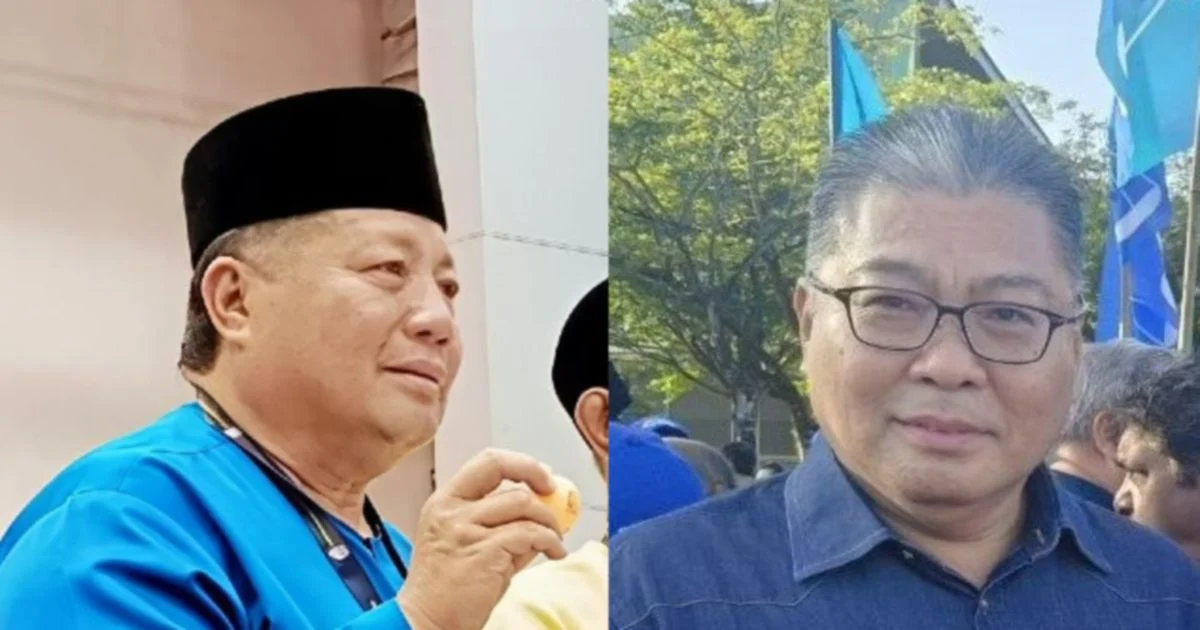
Datuk Maulizan Bujang, the former chief of Tebrau's Umno division, has extended his best wishes to his younger brother Mazlan in the forthcoming Johor state election, even as the pair stand on opposite sides of the political divide. Mazlan is contesting the Kahang seat under the Perikatan Nasional banner, while his elder brother remains firmly rooted in Umno's ranks. The gesture underscores how Malaysian politics, despite its increasingly fractious nature, can still preserve family bonds across competing coalitions.
The Kahang constituency, located in Johor, represents one of the keenly contested battlegrounds in the state election. Mazlan's candidacy under PN signals the coalition's efforts to broaden its appeal in the southern region, where Umno has traditionally commanded considerable influence. The seat's electoral composition and voter demographics make it a litmus test for both coalitions' strategies heading into polling day.
Maulizan's public endorsement, despite his Umno affiliation, reflects a pragmatic approach to family relationships within Malaysia's competitive political environment. Rather than allowing organisational loyalty to overshadow personal bonds, the former division chief has chosen to acknowledge his brother's political ambitions. This stance is neither uncommon nor unusual in Malaysian politics, where kinship ties often transcend party lines, though it remains noteworthy when senior party figures openly express such sentiments.
The Tebrau division, which Maulizan previously led, holds historical significance within Johor's political landscape. His willingness to extend good wishes to a PN-backed family member potentially signals broader acceptance within Umno circles of the competitive reality facing both coalitions in Johor. The state election assumes particular importance as Umno seeks to consolidate its position, while PN continues its expansion into traditionally Barisan Nasional strongholds.
Johor's electoral dynamics have undergone considerable shifts in recent years, with the rise of PN as a serious challenger to Umno's historical dominance. Constituencies like Kahang have become battlegrounds where both coalitions commit substantial resources and deploy their most competitive candidates. Mazlan's candidacy represents PN's determination to contest even in areas where Umno maintains deep-rooted organisational networks and voter loyalty.
The Kahang contest will likely be closely watched by political analysts examining whether PN can make inroads in Johor's heartland. The seat's outcome could provide indicators regarding broader electoral trends across the state. Family dynamics in political campaigns, such as Maulizan's stance, occasionally offer glimpses into how different sections of the electorate perceive candidates and coalitions.
Malaysian electoral politics increasingly features scenarios where individual politicians must navigate their personal relationships while advancing their organisational commitments. Maulizan's approach—publicly supporting his brother while maintaining his Umno position—represents a mature handling of such tensions. This balance becomes increasingly important as election campaigns intensify and political messaging becomes more pointed.
For Mazlan, securing the support and best wishes of a respected former divisional leader, despite political differences, potentially provides some legitimacy within the broader Johor community. While party affiliation drives electoral competition, personal credibility and community standing remain influential factors shaping voter behaviour. The endorsement from a prominent Umno figure may complicate the straightforward Umno-versus-PN narrative in Kahang.
Johor's political trajectory over the coming years will depend significantly on how constituencies like Kahang evolve. Both coalitions face the challenge of consolidating support while adapting to changing voter preferences. The state has historically served as a testing ground for Malaysia's broader political currents, making its electoral outcomes nationally significant.
As campaigning advances toward polling day, such human interest angles in the Johor election remind observers that Malaysian politics, despite its ideological divisions and organisational rivalries, remains embedded within social structures where family ties and personal relationships carry weight. Maulizan's gesture toward his brother, while perhaps small in the grand scheme of electoral competition, reflects this enduring reality.
The Kahang seat and others across Johor will determine not only the state's governance but potentially influence national political calculations. Both Umno and PN will scrutinise results carefully to understand voter sentiment toward their respective platforms and leadership. Mazlan's candidacy in this context represents PN's broader ambitions, while Umno's response across such constituencies will shape the party's strategic positioning.
Ultimately, the interplay between personal relationships and political competition visible in Maulizan's backing of his brother encapsulates broader themes running through Malaysia's electoral landscape. Voters in Kahang will make their choice based on numerous factors—candidate credibility, party platforms, local issues, and personal conviction. The outcome will contribute to the larger mosaic of Johor's political future and potentially offer insights into Malaysia's evolving political preferences.

