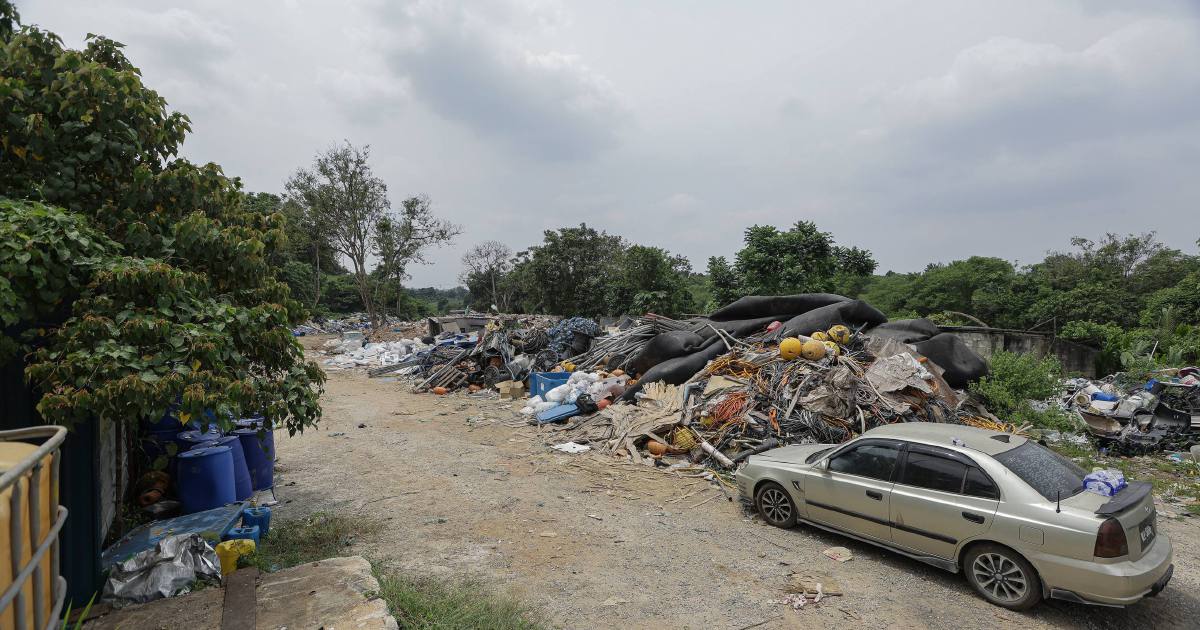
Johor authorities have moved to establish a coordinated multi-agency task force to conduct a thorough investigation into allegations that construction waste from Singapore has been unlawfully disposed of at multiple locations within the Pontian district. The announcement signals a firm commitment from state government officials to address environmental concerns and protect local communities from potentially hazardous waste materials crossing state and international borders.
The formation of this specialised task force represents a significant escalation in responses to transboundary waste management issues, which have become an increasingly complex challenge for Southeast Asian border regions. As one of Malaysia's primary commercial and industrial gateways, Johor frequently faces pressures associated with cross-border waste trafficking, where foreign entities may attempt to exploit regulatory differences or gaps in enforcement. The Pontian district, located in the southwestern portion of the state and adjacent to Singapore, has been identified as a particularly vulnerable area for such illicit activities due to its proximity to the neighbouring city-state and its proximity to various industrial zones.
Cross-border waste dumping represents a persistent environmental and public health concern throughout Southeast Asia, particularly in areas bordering highly developed nations with stricter waste disposal regulations. Singapore, as a densely populated island nation with limited landfill capacity and among the world's most stringent environmental standards, naturally faces significant pressure to manage enormous quantities of construction debris generated by its continuous urban development and infrastructure projects. While Singapore maintains robust regulatory frameworks, the economic incentives for waste operators to seek cheaper disposal options in neighbouring jurisdictions can create perverse incentives for illegal dumping schemes.
The comprehensive nature of the investigation reflects growing recognition that environmental crime requires coordinated responses across multiple governance levels and regulatory domains. Construction waste encompassing concrete, metals, timber, and other materials poses distinct environmental risks including groundwater contamination, soil degradation, and potential hazards to local flora and fauna. Beyond immediate environmental impacts, such dumping practices undermine legitimate waste management industries and create unfair competitive disadvantages for compliant operators who bear the full costs of proper disposal and recycling procedures.
For Malaysian readers and regional observers, this development highlights the vulnerability of border communities to environmental hazards originating from neighbouring jurisdictions. Pontian residents have legitimate concerns about whether adequate safeguards exist to protect their water supplies, agricultural lands, and general environmental quality from contamination. The task force's mandate will likely extend beyond simple documentation to encompassing forensic waste analysis designed to trace materials back to their origins, identifying responsible parties both on the Malaysian and Singapore sides of the border.
The involvement of multiple agencies suggests authorities intend a comprehensive approach addressing not only the immediate dumping sites but also the operational networks facilitating such activities. These typically include transport operators, site owners or operators, and potentially intermediary brokers who connect waste generators with disposal locations. Effective investigation and prosecution require coordination between environmental agencies responsible for monitoring violations, law enforcement bodies empowered to execute arrests and seizures, customs authorities who may track cross-border movements, and potentially international cooperation mechanisms if charges involve organised criminal networks.
From a regulatory perspective, this investigation may precipitate important discussions about harmonising waste management standards across the Johor-Singapore border region, strengthening enforcement capacity in vulnerable areas, and potentially negotiating bilateral agreements specifically addressing construction waste management. Regional coordination mechanisms addressing transboundary pollution have proven effective in other contexts, and Johor officials may explore whether similar frameworks could address waste trafficking systematically rather than responding reactively to individual incidents.
The economic dimension of illegal waste dumping also merits consideration. Construction waste recycling represents a legitimate and potentially profitable industry, yet it requires upfront capital investment in processing facilities and technology. Cheaper illegal dumping undercuts this market and diverts valuable materials—including aggregate, metals, and recyclable components—that could feed into Malaysia's expanding circular economy initiatives. By clamping down on illegal operations, authorities simultaneously protect environmental integrity and support legitimate businesses developing sustainable waste management solutions.
Moving forward, the investigation's findings will likely inform Johor's broader waste management policy framework and potentially influence how Malaysian authorities engage with Singapore counterparts on environmental matters. International cooperation on environmental crimes remains relatively nascent compared to other crime categories, but increasing pressures from rising populations, industrial development, and climate change are forcing Southeast Asian nations to take shared responsibility more seriously. The Pontian task force thus represents not merely a local enforcement action but potentially a template for how regional authorities might address emerging environmental security challenges.
For residents and businesses in affected Pontian areas, the investigation offers hope that authorities are taking their concerns seriously and taking concrete steps to prevent future contamination. However, the ultimate success of this initiative will depend on whether the task force receives adequate resources, whether both Malaysian and potentially Singapore authorities cooperate fully with investigations, and whether the political commitment demonstrated through the task force's establishment translates into sustained enforcement capacity and policy improvements extending beyond this particular incident.

