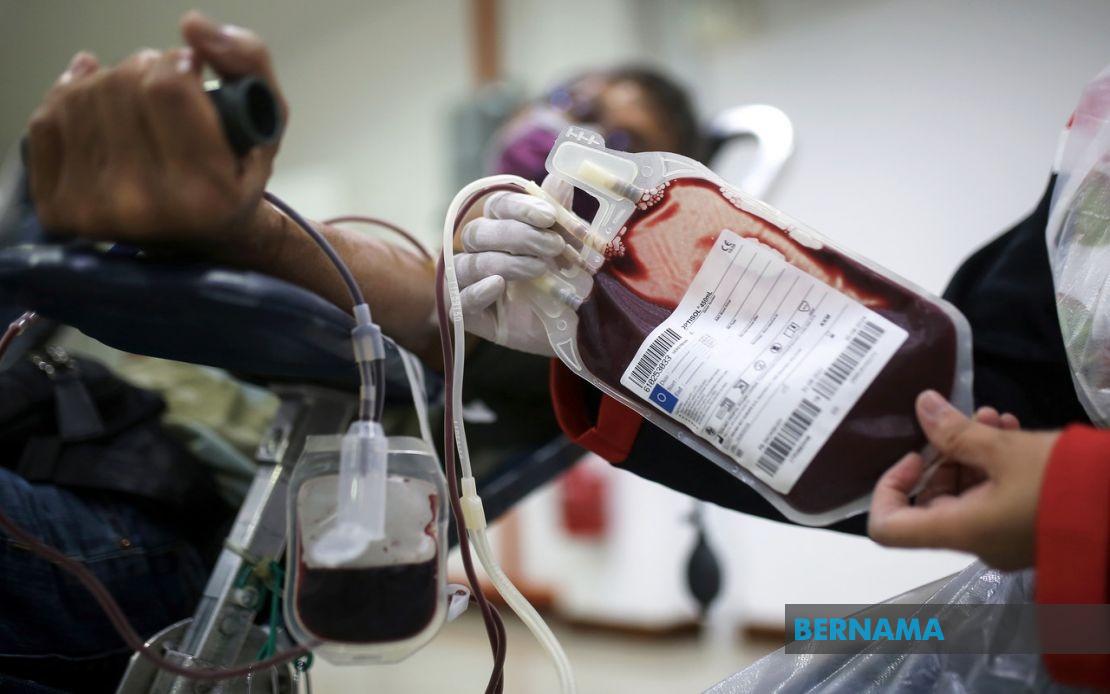
Hospital Sultanah Aminah in Johor Bahru has sounded an alarm over dwindling supplies of type O and AB blood, two of the most critical blood types needed for emergency medical procedures and routine treatments. The hospital's Transfusion Medicine Department made the public appeal through social media channels, highlighting the urgent need to replenish blood stocks before shortages begin affecting patient care in the southern state.
The appeal underscores a recurring challenge faced by Malaysian healthcare facilities, particularly during peak seasons when blood demand often outpaces donations. Type O blood, classified as the universal donor, is especially vital for emergency situations where there is no time to determine a patient's blood type, making it indispensable in trauma units and accident and emergency departments. Type AB blood, conversely, serves as the universal plasma donor and remains consistently difficult to source due to its relatively lower prevalence in the general population.
To encourage public participation and make donation more convenient, HSA's Transfusion Medicine Department has directed interested donors to the Johor Bahru Blood Donation Campaign Schedule page, which lists available collection sites and timings. This digital approach reflects how Malaysian hospitals are increasingly leveraging social media and online platforms to reach potential donors beyond traditional outreach methods.
The hospital has coordinated an intensive weekend donation drive spanning multiple venues across Johor Bahru. The Johor Blood Donation Centre at Mid Valley Southkey is operating from 10 am to 6.30 pm throughout the weekend period, providing the extended hours necessary to accommodate working professionals and students who may struggle with weekday donation schedules. This extended operating window significantly increases accessibility for those balancing employment or academic commitments with the desire to contribute to blood supplies.
Simultaneously, AEON Mall Bukit Indah has been activated as an alternative collection point, functioning from 10 am to 3 pm across Friday, Saturday, and Sunday. Situating donation drives within major shopping malls represents a strategic approach to meeting donors where they already congregate, thereby reducing friction and making the donation process an integrated part of routine weekend errands. This mall-based model has proven effective across Southeast Asia for increasing walk-in participation rates among younger demographics.
The HSA Blood Donation Centre itself is also accepting donations on Friday and Saturday, operating from 8 am to 4.30 pm. Having a dedicated centre within the hospital compound provides a professional medical environment with trained phlebotomists and immediate medical supervision, which may reassure first-time donors or those with health concerns about their suitability for donation.
Blood shortages in Malaysian hospitals typically emerge during specific periods, including major holidays when regular donors travel or remain preoccupied, as well as during academic holidays when student volunteers are absent from campus-based collection sites. The August timing of this appeal suggests HSA may be experiencing seasonal decline in donation rates, potentially exacerbated by students' university break schedules.
For donors unfamiliar with the process, hospital officials have previously emphasized that blood donation is safe, relatively quick, and poses minimal health risks for healthy individuals. A single donation of approximately 450 millilitres requires only ten to fifteen minutes of actual collection time and can be donated every eight weeks. The donated blood is immediately screened for infectious diseases and can typically be stored for up to forty-two days for red cells, making efficient inventory management crucial for minimising wastage.
The appeal also reflects the ongoing importance of community engagement in Malaysia's healthcare ecosystem. While the national blood bank, Institut Darah Negara, coordinates national blood supply policy, individual hospitals and states maintain responsibility for meeting local demand. This decentralized system places considerable weight on local population participation in donation programs, making public awareness campaigns and accessibility infrastructure essential components of blood security.
Malaysian health authorities have consistently emphasised that the country requires approximately 450,000 units of blood annually to meet clinical demands across all hospitals. However, actual donation rates frequently fall short of requirements, creating periodic shortages that force hospitals to activate emergency appeals. Building a culture of regular, voluntary non-remunerated blood donation remains a significant public health objective across the nation.
Individuals interested in donating should verify their eligibility by reviewing standard requirements: adequate health status, minimum body weight of 45 kilogrammes, and absence of recent travel to malaria-endemic regions or history of certain infections. Those who have recently recovered from illness or minor surgery should allow appropriate recovery periods before donating. Donors are encouraged to ensure adequate hydration and light meals before presentation.
HSA's appeal serves as a reminder to Johor residents about the constant need for blood donations and the tangible difference that individual contributions make to hospital operations. As medical services become increasingly stretched across Malaysia's growing population, sustained community participation in blood donation programs remains fundamental to ensuring that emergency departments, surgical theatres, and maternity units can access life-saving supplies without delay.

