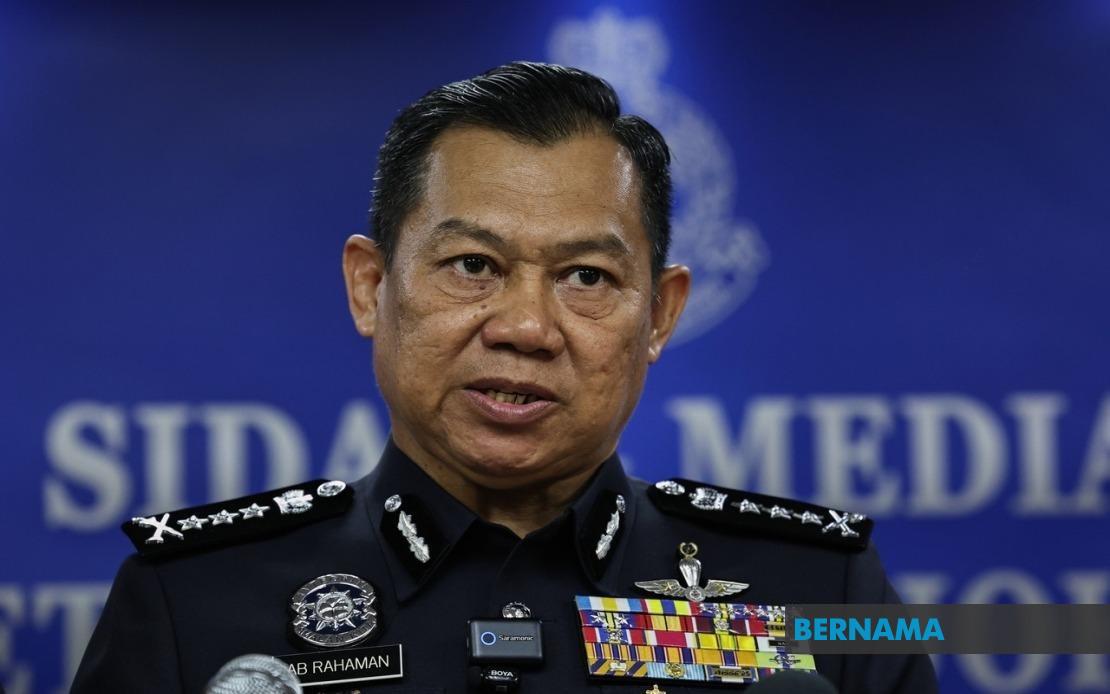
Police in Johor have given the green light to the overwhelming majority of campaign permit applications submitted during the initial phase of the 16th state election, approving 4,053 requests out of 4,368 filed between June 27 and July 8. The high approval rate suggests that political parties and candidates are largely adhering to the formal processes required to conduct public campaign activities, indicating a well-organised electoral period so far.
Johor police chief Datuk Ab Rahaman Arsad revealed that the final two days of the approval window proved particularly busy, with authorities processing 884 new applications on July 7 and 8 alone. Of these submissions, 838 gained approval after being scrutinised against the stringent requirements governing political assemblies and campaign functions. The concentrated surge in last-minute applications is typical of election cycles, where campaign organisers often seek permits as dates for rallies and public forums approach.
The police leadership has characterised the overall security environment throughout the electoral process as manageable and secure, emphasising that the force has maintained consistent oversight of all political activities to ensure compliance with Malaysian electoral law. This monitoring function represents a core responsibility of the constabulary during state and national elections, serving both to protect public order and to uphold the integrity of the democratic process. Authorities have stressed their commitment to preventing activities that could incite communal tensions or trigger public safety concerns.
However, the stability of the campaign environment has been punctuated by law enforcement action against alleged election offences. Between July 7 and 8, police received 17 complaints relating to electoral misconduct and opened four separate investigation papers, signalling that violations do occur despite efforts to maintain order. These cases span multiple areas of concern, from attempts to sow discord among communities to allegations of slander and improper use of digital platforms.
One investigation was initiated under Section 4A(1) of the Election Offences Act 1954, a provision designed to prevent individuals or groups from promoting ill will or hostility during elections. This particular offence addresses a long-standing challenge in Malaysia's electoral environment: the risk that campaigns might exploit community sensitivities or ethnic and religious divisions to gain advantage. Such investigations underscore the continuing vigilance required to keep election discourse within bounds that do not threaten social cohesion.
A second investigation paper was launched under Section 500 of the Penal Code and Section 233 of the Communications and Multimedia Act 1998, relating to defamatory statements and the misuse of online services. The dual charge reflects the modern reality that campaign misconduct now frequently occurs across digital channels, where rumours and false allegations can spread rapidly among voters. The inclusion of the Communications and Multimedia Act provision indicates that authorities are actively monitoring social media and messaging platforms for electoral violations.
Two further investigation papers were opened under Section 427 of the Penal Code for alleged mischief causing property damage, suggesting that campaign activity has occasionally spilled into physical confrontations or destruction of campaign materials and public property. Such incidents, though not mentioned in detail, point to tensions that can arise when supporters of competing candidates clash at campaign sites or when vandalism of political posters and signage occurs.
Cumulatively across the initial phase of the campaign, police have fielded 73 reports and initiated 22 investigation papers related to election offences. This broader tally indicates a background level of electoral misconduct typical of state election periods in Malaysia, where political passions run high and enforcement agencies must balance the protection of democratic freedoms with the maintenance of public order. The 22 investigations represent a manageable caseload for the Johor police force, suggesting that while violations do occur, they remain contained.
Datuk Ab Rahaman has made clear that the constabulary intends to prosecute breaches of electoral law with rigour and impartiality, without favouring any political party. This public commitment to fair enforcement is crucial to maintaining public confidence in the electoral process and ensuring that all participants operate within legal bounds. The tone of such statements often influences campaign behaviour, as candidates and party officials adjust their tactics based on their understanding of how authorities will respond to potential violations.
For Malaysian voters in Johor, the performance of law enforcement during the campaign period carries implications for the overall integrity of the election result. A well-policed campaign in which violations are investigated promptly and fairly helps ensure that the electoral outcome reflects genuine voter choice rather than intimidation, bribery, or misinformation. The approval of the vast majority of campaign permits also demonstrates that democratic participation remains relatively unfettered, even as authorities maintain oversight.
The Johor election unfolds against the backdrop of ongoing efforts across Southeast Asia to strengthen democratic institutions and combat electoral fraud. Malaysia's experience managing campaign conduct through a combination of permits, law enforcement, and legal instruments offers lessons for the region, particularly in balancing the protection of political freedoms with the prevention of misconduct. The high approval rate for campaign permits reflects confidence by electoral authorities in the applications they received, while the investigation of offences demonstrates that the system includes accountability mechanisms.
Looking ahead, the police's monitoring function will likely intensify as the campaign progresses toward polling day, with increased scrutiny of campaign rhetoric, campaign financing, and campaign activities. The precedent of opening investigations into offences during the initial phase suggests that authorities will maintain pressure on candidates and campaign organisations to adhere to legal standards. For voters, the question becomes whether such enforcement translates into a campaign environment perceived as fair and genuinely competitive.

