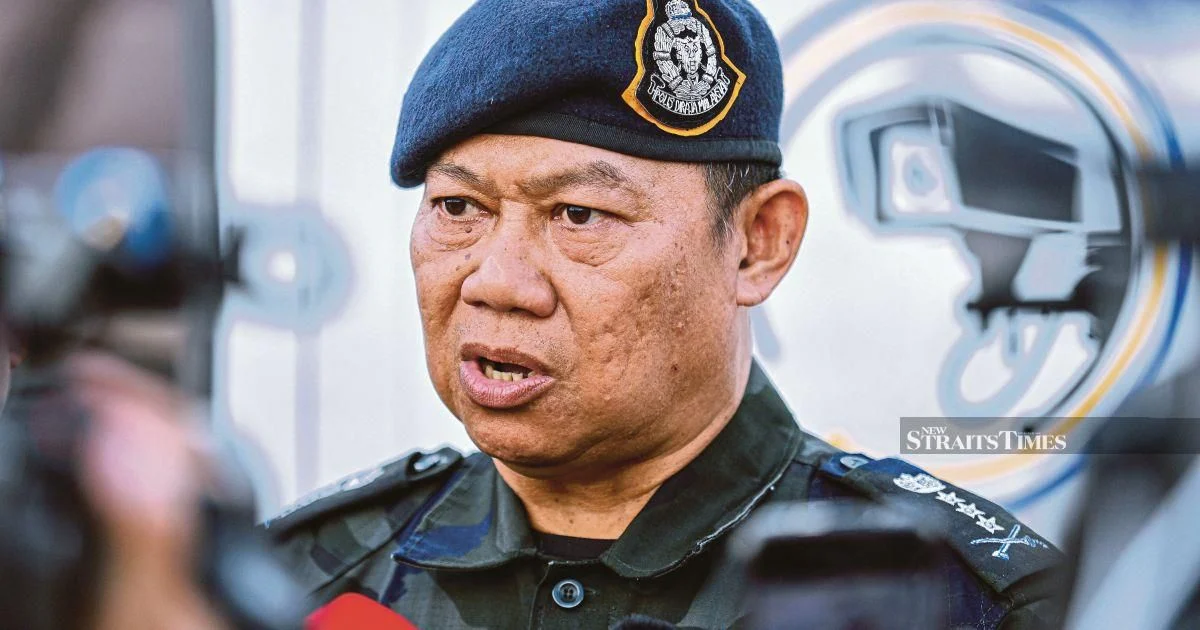
Johor police have commenced formal investigations into three separate cases stemming from seven reports filed in connection with the state elections since nomination day commenced. The move reflects authorities' commitment to monitoring the electoral process and responding to complaints about potential irregularities or violations during the crucial campaign period.
The decision to investigate roughly 43 per cent of the reports received demonstrates a selective approach by law enforcement, suggesting that initial assessment filtered complaints based on substantive grounds requiring police intervention. This filtering mechanism is typical in electoral oversight, where authorities distinguish between frivolous complaints and allegations that may constitute genuine breaches of election law or other criminal statutes. The remaining four reports, while documented, apparently did not meet the threshold for full investigation at this stage.
Election-related complaints in Malaysia typically encompass a broad spectrum of concerns, from allegations of vote-buying and treating to voter intimidation, improper use of government resources, and violation of campaign spending limits. The nature of complaints filed in Johor during this election cycle remains undisclosed, though such matters have historically formed the core of electoral investigations nationwide. The early filing of reports itself suggests heightened vigilance from both the public and election observers monitoring campaign activities across the state.
For Malaysian voters and observers, the initiation of these investigations carries significant implications about election integrity and the mechanism through which complaints are processed during voting periods. The Johor elections represent a substantial political event within Malaysia's federal framework, as the state holds considerable demographic and economic influence. Any irregularities during the campaign phase could potentially affect voter perception of fairness and the legitimacy of results, making swift response to complaints an essential function of law enforcement agencies.
The timeline is particularly significant, as the investigation papers being opened at the nomination stage indicates that alleged violations were brought to police attention relatively early in the electoral calendar. This allows law enforcement reasonable time to gather evidence and complete investigations before polling day, ensuring that any substantive findings can inform public discourse during the remaining campaign period. The speed of police response also demonstrates operational readiness by Johor's police force to handle the increased workload typically associated with election periods.
From a regional perspective, Johor's electoral processes attract attention across Southeast Asia as an indicator of Malaysia's democratic health and institutional resilience. Transparent handling of election complaints and visible police investigation into alleged violations reinforce confidence in the country's electoral systems, particularly among international observers and within the Association of Southeast Asian Nations context. Conversely, mishandling or perceived politicisation of investigations could undermine public trust in institutions.
The threshold question of why three investigations were deemed necessary while four reports were filed away requires deeper examination. Selection criteria typically include evidence sufficiency, jurisdictional appropriateness, and potential legal merit. Police decisions to investigate certain complaints while declining others are presumably guided by established election-related offences under Malaysian law, including provisions within the Penal Code and the Elections Offences Act. However, without disclosure of the complaint categories, public assessment of investigative prioritisation remains constrained.
For political parties contesting in Johor, the knowledge that police are actively investigating election-related complaints may influence campaign strategies and conduct. Candidates and party machinery become more circumspect when aware of police presence in the investigative landscape, as the risk of inadvertent or deliberate violation becomes more salient. This deterrent effect serves a regulatory function, encouraging parties to comply with electoral rules and maintaining a level playing field among competing interests.
The seven reports themselves suggest that the Johor electorate and stakeholders are engaging with complaint mechanisms available during elections. Whether citizens filed these reports directly with police or through other channels such as election observers or political parties remains unclear, but the volume indicates awareness of accountability pathways. This engagement with formal complaint procedures represents healthy democratic participation, even when complaints do not ultimately result in investigations.
Looking forward, the outcome of these three investigations will likely set the tone for electoral conduct during the remainder of the campaign period. Public disclosure of findings, where appropriate, could reinforce or challenge perceptions of fairness. Additionally, the investigations serve as a testing ground for police capacity to handle election-related complaints efficiently without undue delay or apparent political bias—a capacity that becomes increasingly important as Malaysia's electoral landscape grows more competitive and scrutinised.
The broader context of these investigations must account for Johor's political significance within Malaysia. As the second-largest state by population and a traditional stronghold for various political movements, elections in Johor carry implications extending beyond the state itself. Maintenance of electoral integrity in such consequential contests helps preserve the legitimacy of Malaysia's democratic framework and contributes to regional perceptions of the country's institutional competence and commitment to rules-based governance.

