%22%2F%3E%3C%2Fpattern%3E%3C%2Fdefs%3E%3Crect%20width%3D%22100%25%22%20height%3D%22100%25%22%20fill%3D%22url(%23ph5ivi4g)%22%2F%3E%3Crect%20width%3D%22100%25%22%20height%3D%22100%25%22%20fill%3D%22url(%23ph5ivi4p)%22%2F%3E%3Ctext%20x%3D%2250%25%22%20y%3D%2250%25%22%20text-anchor%3D%22middle%22%20dominant-baseline%3D%22central%22%20fill%3D%22rgba(255%2C255%2C255%2C0.95)%22%20font-family%3D%22Georgia%2C%20'Times%20New%20Roman'%2C%20serif%22%20font-weight%3D%22700%22%20font-size%3D%22272%22%20letter-spacing%3D%22-0.02em%22%3EJohor%3C%2Ftext%3E%3C%2Fsvg%3E)
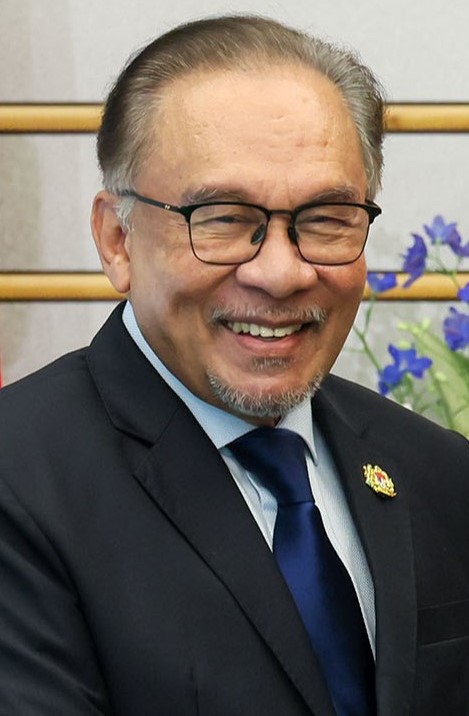
Prime Minister Datuk Seri Anwar Ibrahim contends that Johor has proven to be a net recipient of federal funding, with the state receiving RM16 billion in allocations from the national government that exceed its contribution to Putrajaya's coffers. The assertion, delivered during a visit to Tangkak on June 23, reflects the government's framing of its fiscal management and regional development priorities as it seeks to demonstrate equitable wealth distribution across Malaysia's diverse states.
Anwar's statement comes amid ongoing scrutiny of how the federal government apportions resources across the country's thirteen states and federal territories. The Prime Minister's claim that Johor has received more than it contributed in taxes represents a significant talking point in discussions about fiscal federalism and regional equity in Malaysia. This narrative carries particular weight given Johor's status as one of Malaysia's economically significant states, with a substantial population and industrial base that conventionally positions it as a net contributor to federal revenue.
The timing of these remarks reflects the government's broader communication strategy regarding economic management and regional development. By highlighting the magnitude of federal allocation to Johor, Anwar appears to be addressing potential grievances about unequal resource distribution while simultaneously positioning the federal administration as responsive to regional needs. Such statements typically emerge during official visits to states and often serve to reinforce political messaging ahead of local or national development announcements.
The assertion about Johor's financial relationship with Putrajaya invites examination of how federal budgeting mechanisms operate in Malaysia's system of governance. The country's fiscal framework involves complex mechanisms for revenue collection and redistribution, including mechanisms designed to ensure that wealthier states contribute proportionally to national development while also ensuring that less-developed regions receive sufficient investment. Anwar's characterisation of Johor as a net beneficiary suggests that the government views the state as warranting substantial federal support despite its economic contributions.
For Malaysian readers, particularly those in Johor, the statement carries implications for understanding how their state government collaborates with Putrajaya and how federal resources flow into local development projects. The RM16 billion figure provides a concrete benchmark for public understanding of the scale of federal investment in the state, though independent verification of such claims requires examination of detailed budget documents and audit reports. The transparency surrounding such inter-governmental financial flows remains a matter of public interest, as resource allocation directly affects infrastructure development, education, healthcare, and other essential services.
The broader Southeast Asian context adds another dimension to understanding Malaysia's federal-state dynamics. While fiscal federalism presents distinct challenges across the region, Malaysia's approach to managing resource distribution between the centre and constituent states offers insights into how federal systems navigate competing regional interests. Anwar's emphasis on federal generosity towards Johor may reflect awareness that public perceptions of fair treatment influence political support and social cohesion across different regions of the country.
Statewide development trajectories are significantly influenced by the pattern and consistency of federal allocations over time. If Johor indeed receives federal funding exceeding its tax contribution, this investment shapes the state's ability to undertake major infrastructure projects, education initiatives, and social programmes. Understanding these fiscal transfers remains crucial for Johor residents and policymakers seeking to evaluate the effectiveness of federal-state cooperation and the state government's bargaining power in negotiations with Putrajaya.
Anwar's pronouncement also reflects potential political calculations regarding Johor's electoral significance and the government's efforts to maintain political support in the state. Positive messaging about federal investment in Johor can serve to bolster the government's credibility with voters while presenting an image of administration committed to broad-based development. The statement arrives within a context where state-federal relations continue to evolve, particularly following changes in state-level political alignments and leadership in recent electoral cycles.
The mechanism through which federal funds reach Johor encompasses various channels, including direct allocation through the annual federal budget, development funds tied to specific projects, and disbursements through federal agencies responsible for particular sectors such as infrastructure, education, and healthcare. Anwar's invocation of the specific RM16 billion figure suggests that this represents a comprehensive accounting of these various transfers, though the methodology underlying such calculations often remains obscure to public scrutiny. Greater transparency in how such figures are compiled would strengthen public understanding of resource distribution patterns.
Moving forward, Johor's relationship with the federal government will likely continue to reflect broader patterns of inter-governmental negotiation and resource sharing that characterise Malaysia's federal system. The state's economic performance, population growth, and development needs will continue to shape federal policy towards the region. Anwar's assertion about Johor's net benefit from federal allocations may influence public discourse about regional equity and fair treatment within the federation, particularly among Johor residents considering the relationship between their state's economic contributions and the services and infrastructure they receive in return.
The statement ultimately underscores the importance of transparent fiscal reporting and independent analysis of federal-state financial relationships. As Malaysia navigates contemporary economic challenges and development priorities, the principles underlying resource distribution between Putrajaya and the states warrant continued public attention and scrutiny. For Johor specifically, understanding the precise composition and effectiveness of federal investments becomes essential for residents seeking to evaluate whether their state government successfully advocates for regional interests within the broader federal framework.