%22%2F%3E%3C%2Fpattern%3E%3C%2Fdefs%3E%3Crect%20width%3D%22100%25%22%20height%3D%22100%25%22%20fill%3D%22url(%23ph4vknkg)%22%2F%3E%3Crect%20width%3D%22100%25%22%20height%3D%22100%25%22%20fill%3D%22url(%23ph4vknkp)%22%2F%3E%3Ctext%20x%3D%2250%25%22%20y%3D%2250%25%22%20text-anchor%3D%22middle%22%20dominant-baseline%3D%22central%22%20fill%3D%22rgba(255%2C255%2C255%2C0.95)%22%20font-family%3D%22Georgia%2C%20'Times%20New%20Roman'%2C%20serif%22%20font-weight%3D%22700%22%20font-size%3D%22272%22%20letter-spacing%3D%22-0.02em%22%3EJohor%3C%2Ftext%3E%3C%2Fsvg%3E)
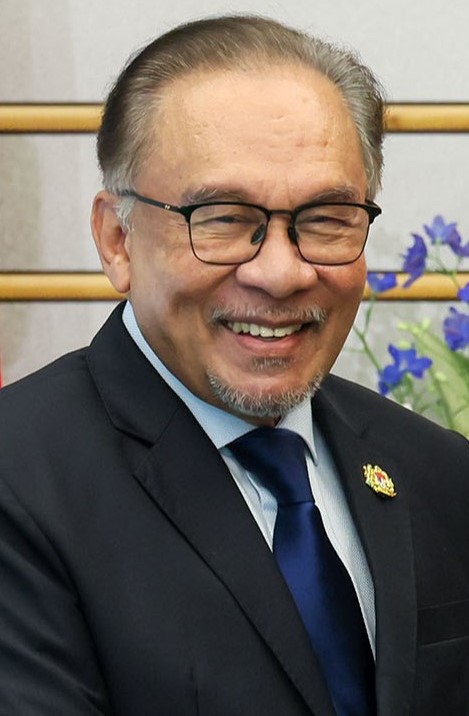
The Regent of Johor, Tunku Mahkota Ismail, received Prime Minister Datuk Seri Anwar Ibrahim in a formal audience that served as a demonstration of the robust relationship between Malaysia's federal administration and one of its most economically influential states. The meeting, which took place in Kuala Lumpur on June 22, reflected the established protocol of high-level engagement between Putrajaya and the sultanate, underscoring the significance that both sides place on maintaining institutional harmony.
Such bilateral audiences between the Regent and the Prime Minister carry considerable symbolic weight in Malaysia's constitutional monarchy framework. The protocol signals mutual respect and acknowledgement of the state's position within the federation, particularly given Johor's historical importance as an economic powerhouse and its strategic location as a gateway to Singapore and the wider Southeast Asian region. The meeting provided an opportune moment for both parties to discuss matters of mutual concern and reaffirm their commitment to collaborative governance.
For Malaysian and regional observers, such formal engagements reflect the underlying institutional stability that characterises Malaysian federalism, despite occasional tensions between state and federal authorities. Johor's significance extends beyond its domestic economic contributions; as the country's second-largest state by population and a major commercial hub, its relationship with the federal government carries implications for broader regional policy coordination, particularly concerning trade, infrastructure development, and security matters affecting the Straits of Malacca.
The timing of this audience occurred within a broader context of Malaysia navigating complex domestic political dynamics and regional economic transitions. Prime Minister Anwar's administration has emphasised the importance of maintaining strong vertical relationships with state governments as essential to implementing the federal government's development agenda and economic transformation programmes. Johor, under the Regent's stewardship, represents a critical partner in these initiatives, given the state's economic diversification efforts and its role in regional supply chains.
Tunku Mahkota Ismail's position as Regent carries particular influence within Johor's governance structure and extends to his role in broader royal consultations that inform major policy decisions. The formality of receiving the Prime Minister in audience affirmed the continuation of established diplomatic protocols between the sultanate and Putrajaya, demonstrating that despite any policy disagreements that might emerge on specific issues, fundamental respect for institutional hierarchies remains intact.
The meeting's significance also relates to Malaysia's ongoing efforts to maintain internal cohesion while pursuing regional economic integration initiatives. Johor's participation in cross-border economic zones with Singapore and its role in various federal infrastructure projects means that state-level cooperation directly influences the success of these initiatives. The audience served as a reminder of the mutual interdependence between state and federal authorities in achieving shared developmental objectives.
From a governance perspective, the documented engagement highlights the importance of regular high-level communication in Malaysia's constitutional framework. Unlike unitary states where regional governors report directly to a central authority, Malaysia's federal system necessitates regular consultation and coordination between the Prime Minister's office and state rulers, who hold significant constitutional powers and symbolic authority. These interactions help prevent misalignments that could impede policy implementation or create administrative friction.
The Regent's position within Johor's institutional structure makes him a key interlocutor for federal initiatives requiring state cooperation. Whether discussions focused on economic development priorities, infrastructure investments, security cooperation, or implementation of federal programmes, such meetings provide structured opportunities to address concerns and align objectives. For the federal government under Anwar's leadership, maintaining positive relations with state leadership—particularly in economically vital states like Johor—remains essential to political stability and policy effectiveness.
Looking forward, the reaffirmation of close ties between Putrajaya and Johor carries implications beyond bilateral state-federal relations. In an increasingly interconnected Southeast Asian economic landscape, Malaysia's ability to present internal unity and effective governance becomes a competitive advantage. Johor's prosperity and smooth integration with federal initiatives contribute to Malaysia's overall credibility as a stable investment destination and reliable partner in regional cooperation frameworks.
The audience also underscored the continuing relevance of formal diplomatic protocols in maintaining institutional relationships within Malaysia's complex constitutional monarchy. Despite modernisation and evolving governance challenges, these ceremonial and substantive engagements between federal leadership and state rulers remain central to how Malaysia reconciles the existence of multiple power centres and ensures effective coordination across its federal structure.