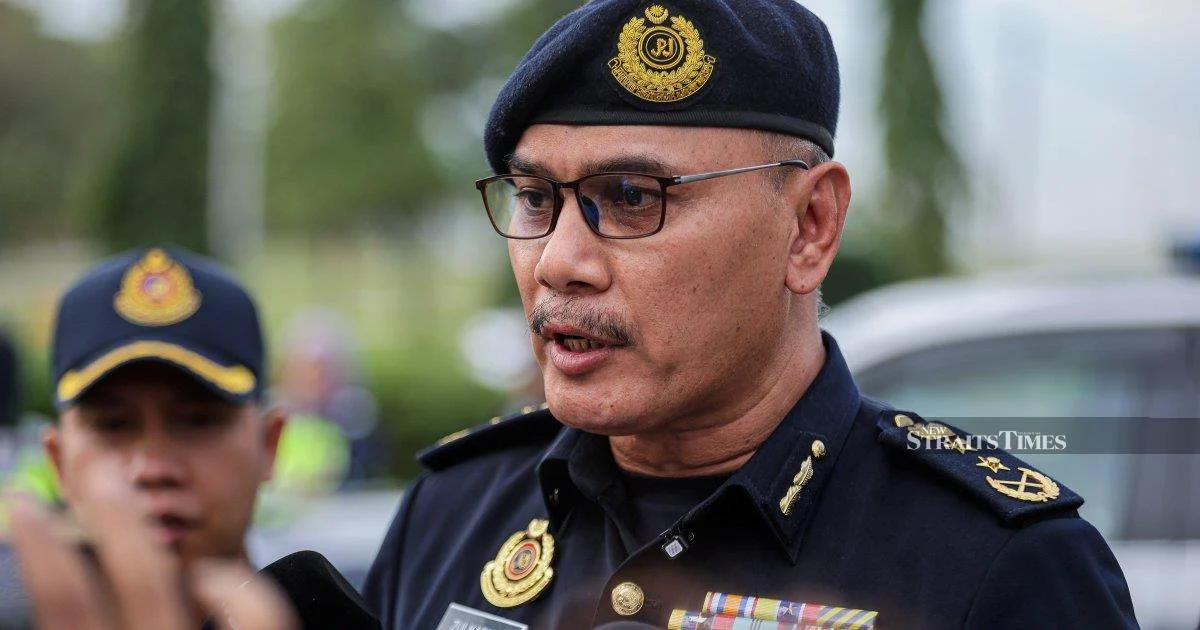
The Johor Road Transport Department has intensified its road safety enforcement by issuing investigation notices to motorcyclists caught riding without helmets during the state's recent election campaign period. The move underscores ongoing efforts to maintain traffic regulations even as political campaigning activities intensified across the state.
The enforcement drive reflects a broader commitment by the RTD to uphold safety standards on Johor's roads, regardless of external circumstances or heightened activity levels during election periods. Road safety remains a critical public health issue in Malaysia, where helmet compliance has been a persistent challenge despite decades of awareness campaigns. The agency's decision to maintain strict enforcement demonstrates that electoral cycles do not exempt riders from their legal obligations.
Motorcycle-related accidents represent a significant portion of traffic fatalities and injuries throughout Malaysia, with non-compliance to safety equipment regulations contributing substantially to injury severity and mortality rates. The requirement for riders to wear helmets is enshrined in Malaysian road traffic laws, yet enforcement inconsistency has often undermined compliance rates. By continuing to issue notices during busy campaign periods, the RTD sends a clear message that safety standards apply universally.
The investigation notices represent the preliminary stage of enforcement action, requiring riders to respond to RTD inquiries and potentially face penalties including fines under the Road Transport Act. Such notices serve both punitive and educational functions, creating documented records of violations while giving offenders opportunity to understand the consequences of non-compliance. The administrative burden on violators often motivates improved behaviour more effectively than fines alone.
Johor, as Malaysia's second-most populous state, experiences significant daily traffic volumes and numerous election campaigns tend to concentrate additional vehicles on roads during short intense periods. Campaign motorcades, supporters' convoys, and election-related activities can create chaotic traffic conditions where enforcement becomes more challenging. Enforcement during such periods requires additional planning and resources from the RTD, yet the department's decision to maintain operations demonstrates commitment to safety priorities.
The incident highlights an ongoing tension between political activity and regulatory compliance in Malaysia's democratic processes. Campaign participants and supporters often prioritize visibility and movement speed over adherence to safety regulations, creating environments where violations cluster. However, law enforcement agencies across the country have increasingly recognised that campaign periods cannot become exemptions from traffic laws, setting precedents that protect public safety regardless of political circumstances.
Helmet usage rates in Malaysia remain below optimal levels despite clear statistical evidence linking helmet-wearing to reduced injury severity in motorcycle accidents. Research consistently demonstrates that riders without helmets face dramatically increased risks of fatal head injuries, yet cultural factors and convenience concerns continue to drive non-compliance. Regional campaigns across Southeast Asia show that sustained enforcement combined with education produces the most effective behaviour change.
The RTD's enforcement strategy reflects international best practices in road safety management, which emphasize consistent, visible enforcement regardless of external factors. Countries with superior motorcycle safety records typically maintain regular enforcement of equipment regulations through all seasons and circumstances. By refusing to create enforcement gaps during busy periods, the Johor department contributes to normalizing compliance as a standard expectation rather than optional behaviour.
For Malaysian riders and road users generally, the action reinforces that election periods do not create legal exemptions. Political participation and public safety operate on separate planes, and democratic processes function most effectively when participants respect shared safety standards. The notices issued to helmetless riders serve as reminders that individual safety responsibilities persist regardless of broader civic activities.
Moving forward, sustained enforcement remains essential to achieve meaningful behaviour change on Johor roads. Single enforcement campaigns produce temporary compliance improvements that typically fade once intensity reduces. The RTD's willingness to maintain enforcement during high-activity periods suggests a longer-term commitment to normalizing helmet usage. Complementary education initiatives targeting riders and motorcyclists could amplify these enforcement efforts, addressing the knowledge gaps that often underlie safety violations.
The incident also underscores broader questions about resource allocation within law enforcement during politically active periods. Maintaining traffic enforcement simultaneously with managing large public gatherings requires careful planning and sufficient personnel deployment. As Malaysia's electoral calendar includes frequent state and federal campaigns, developing robust protocols for maintaining safety enforcement during political activities becomes increasingly important for traffic authorities nationwide.

