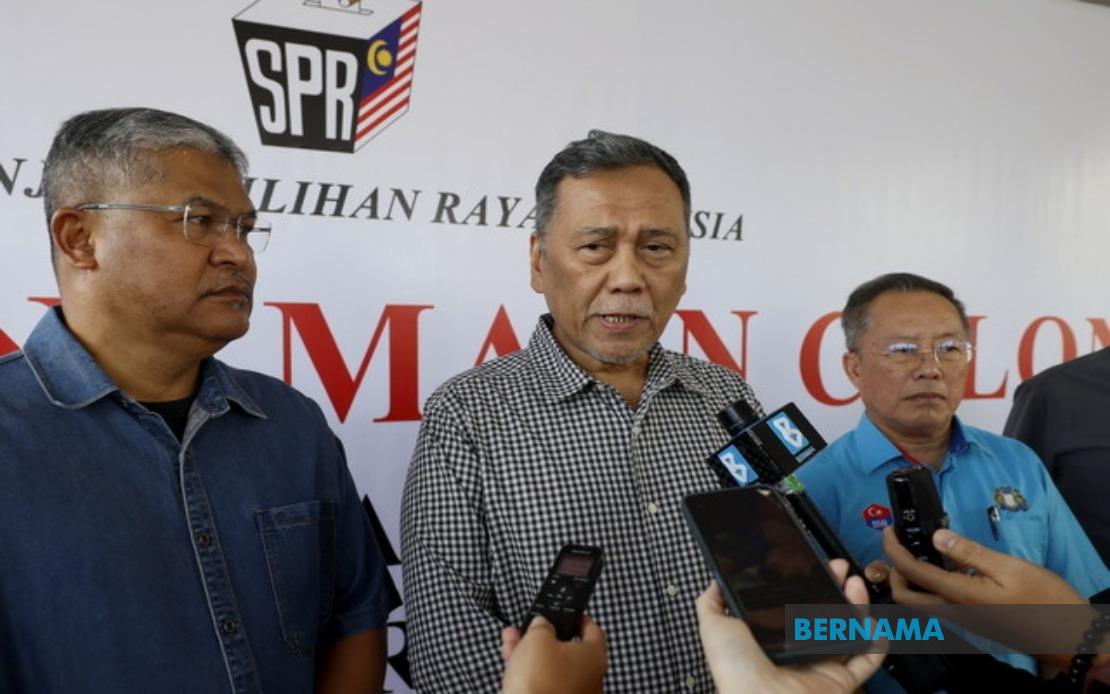
With nominations set to commence tomorrow, the Election Commission has tallied 593 completed nomination forms distributed across Johor, though only 133 prospective candidates have solidified their intent by submitting the mandatory deposit. Election Commission chairman Datuk Seri Ramlan Harun indicated that the final count would likely climb before the nomination window closes, as candidates race to finalise paperwork and secure their places on the ballot.
The modest deposit-payment figure reveals the gap between those exploring candidacy and those making binding financial commitments. With nomination centres operational at all 56 constituency locations throughout the state, the commission expects elevated activity as the deadline approaches. Ramlan underscored that potential candidates retain until the opening of tomorrow's nomination period to complete formalities, signalling optimism that participation numbers would rise substantially once the formal process begins. The staggered approach—selling forms in advance while payments accumulate closer to the deadline—is typical of Malaysian electoral procedure, allowing candidates time to organise financial and logistical support.
Preparations across the state's nomination infrastructure have been thorough, with the Election Commission conducting consecutive trial runs to ensure all staff and systems function smoothly. At the Maharani constituency nomination centre in Muar, returning officer Zainal Eran outlined security measures designed to prevent confrontation between rival supporters. The arrangement permits only the candidate, their proposer, and a single designated supporter inside the nomination venue, while remaining party supporters occupy segregated outdoor areas cordoned by barriers. This controlled environment reflects lessons learned from previous contentious elections and aims to maintain decorum during a high-stakes civic process.
Election Commission leadership has issued explicit reminders to political parties, candidates, and their supporters to respect regulations and refrain from provocative conduct. The security framework, though routine, underscores organisational sensitivity to potential flashpoints when rival coalitions and independent groups converge at nomination centres statewide. Zainal's emphasis on barrier placement and spatial separation signals institutional awareness that enthusiasm and partisan tension can escalate during nomination proceedings, particularly in constituencies where multiple strong contenders emerge.
The electoral landscape for this Johor contest reflects Malaysia's fragmented political terrain. Pakatan Harapan commits to fielding candidates across all 56 seats, distributing positions among its three constituent parties—PKR claiming 20 nominations, Amanah securing 19, and DAP contesting 17 seats. This balanced allocation within the coalition demonstrates negotiated power-sharing, though such arrangements often generate internal friction when preferred candidates lose out to coalition partners' nominees. Barisan Nasional similarly contests comprehensively, deploying 36 UMNO candidates alongside 16 from MCA and four from MIC, reflecting the traditional composition of Malaysia's longest-governing coalition despite its eroded dominance in several states.
Perikatan Nasional's strategy reveals internal dynamics within the Islamist-Malay nationalist alliance. PAS fields 11 candidates, Bersatu 16, the Malaysian Indian People's Party five, and Pejuang one—an asymmetrical distribution reflecting their respective organisational strength and strategic positioning. Perikatan's performance in recent state elections has demonstrated resilience in certain constituencies, particularly those with strong Islamic conservative voting blocs, yet the coalition continues struggling to dislodge Barisan Nasional in traditional strongholds.
Indie and smaller-party participation adds complexity to the electoral picture. The Malaysian United Democratic Alliance contests four seats, Parti Sosialis Malaysia one, while Parti Bersama Malaysia makes its inaugural bid, fielding 15 candidates statewide. These minor players typically contest symbolic value or specific constituency dynamics rather than realistic victory prospects, yet they fragment votes and can influence outcomes in tight races. Parti Bersama's entry particularly reflects Malaysia's evolving electoral permissiveness, allowing new parties comparative freedom to establish grassroots presence.
The electoral calendar concentrates activity dramatically. After tomorrow's nomination day, early voting occurs on July 7, followed by the main polling day on July 11—a compressed timeframe that limits campaigning duration. Candidates and parties must mobilise supporters and deliver messages within roughly two weeks, placing premium on existing organisational capacity and media reach. This condensed schedule particularly advantages incumbents and established parties with entrenched campaign machinery, potentially disadvantaging new entrants and smaller organisations requiring longer mobilisation periods.
Johor's state legislative dissolution on June 1 triggers this electoral cycle, returning the 56-seat assembly to voters after the previous administration's tenure. The state's electoral significance extends beyond Johor's borders; as Malaysia's second-largest state and economically vital manufacturing hub, outcomes here often foreshadow national political momentum. Coalition performance in this contest will provide crucial indicators of voter sentiment heading toward any future federal election, making candidate selection and campaign quality particularly consequential. Both Pakatan Harapan and Barisan Nasional recognise that strong Johor results strengthen negotiating positions within national coalition arrangements.
The nomination process, while procedurally routine, carries substantial strategic weight for parties assessing candidate viability and voter appetite. The gap between nomination forms distributed and deposits paid suggests either candidate hesitation, financial constraints, or deliberation over participation—factors worth monitoring as the actual numbers crystallise tomorrow. As candidates finalise commitments and the formal nomination process unfolds across the state's 56 centres, Malaysian electoral observers will scrutinise which party succeeds in translating nominations into authentic ground-level campaign momentum.

