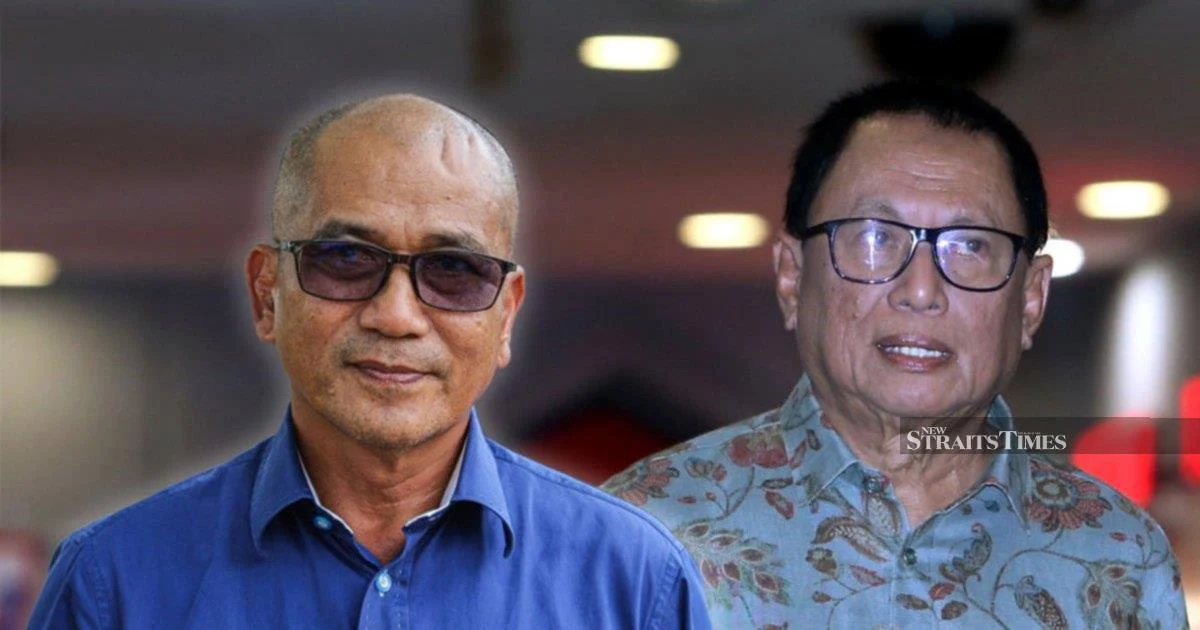
State Umno officials in Johor have mounted a vigorous defence against contentions raised by Datuk Dr Mohd Puad Zarkashi, the former speaker of the Johor legislative assembly, regarding circumstances surrounding the dissolution of the state assembly announced on June 1. Party representatives have dismissed the former speaker's allegations as baseless and potentially defamatory, signalling a deepening rift within the state's political establishment.
The dispute underscores the ongoing tensions within Johor's ruling coalition in the months following the assembly dissolution, which triggered the state election held in August 2023. The decision to dissolve the assembly had proven controversial, with various political factions offering competing narratives about the motivations and procedures involved. As a former legislative assembly speaker, Puad Zarkashi's criticism carries particular weight given his previous proximity to power and institutional knowledge of state politics.
The timing of these accusations and the subsequent counterattacks reflect broader factional dynamics within Umno itself. In recent years, Malaysia's largest Malay-Muslim political party has experienced significant internal divisions, with competing power blocs pursuing distinct political trajectories. The Johor situation mirrors similar disputes playing out across other state-level Umno organisations, where modernisation and internal governance reform efforts have sometimes collided with more traditional power structures.
Puad Zarkashi's criticisms appear to centre on the procedural and political dimensions of how the assembly dissolution was managed and communicated. As the legislative assembly's presiding officer at the time, he would have held detailed knowledge about parliamentary proceedings and formal protocols. His decision to publicly air grievances suggests he believes the decision-making process deviated from established norms or party conventions, though the precise nature of his allegations remains contested between parties.
The Johor Umno leadership's characterisation of these claims as slander indicates they view the accusations as damaging to party reputation and to the legitimacy of decisions made by the state administration. Such strong language typically signals that party officials consider the allegations to strike at the heart of their governance record and decision-making credibility. The intensity of the response also suggests concern about the broader political narrative surrounding the assembly dissolution taking root among voters and observers.
For Malaysian political observers, this clash illuminates the complex interplay between institutional roles and partisan loyalty in state-level politics. Speakers and presiding officers occupy constitutionally significant positions that theoretically place them above factional conflicts, yet individuals holding these roles inevitably bring their own political perspectives and affiliations. When former speakers criticise their own parties' actions, they leverage both their institutional credibility and internal knowledge, creating particularly challenging situations for party leadership seeking to maintain public confidence.
The Johor situation also carries implications for how political transitions are managed across Malaysia's states. The June 1 dissolution ultimately led to elections that Umno's coalition contested. Understanding the internal dynamics and decision-making processes behind such consequential political moves remains important for voters attempting to evaluate whether their state representatives acted in the broader public interest or narrower factional advantage. Public disputes between senior former officials and current party leadership inevitably invite scrutiny on these governance questions.
The controversy reflects the broader context of Malaysian politics' evolution following the 2022 general election and the subsequent government formation processes. Multiple states experienced similar institutional transitions, with dissolved assemblies and interim arrangements creating space for dispute over procedural propriety and political motives. Johor, as Malaysia's second-largest state and an Umno stronghold for decades, occupies particular significance in these internal party negotiations.
Moving forward, the intensity of this dispute may influence internal party dynamics as Umno prepares for future electoral cycles. When respected former office-holders publicly criticise party decisions, they risk fracturing the united front that party leadership seeks to project, yet their silence might suggest acceptance of arrangements they view as problematic. The resolution of this particular controversy will likely shape how other senior Umno figures consider their obligations to maintain public party loyalty versus speaking out on matters of institutional principle.

