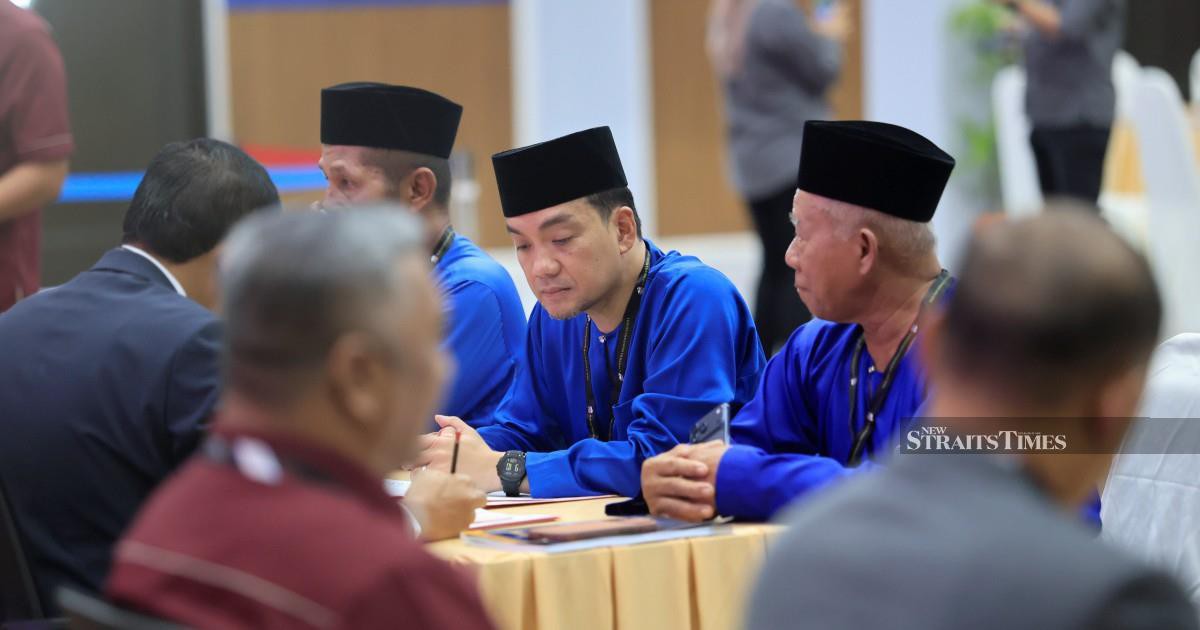
The candidate nomination window for Johor's 16th state election formally concluded this morning when all 56 polling stations designated for registration purposes ceased accepting submissions at 10am, bringing the initial phase of the electoral machinery to a close.
The statewide closure of nomination centres marked the end of a critical period during which political parties and independent hopefuls submitted their candidacies for contention across the state's parliamentary and state assembly constituencies. This stage represents the first formal checkpoint in the election cycle, filtering prospective representatives through official Electoral Commission procedures and ensuring compliance with statutory nomination requirements.
Spanning all 56 centres simultaneously across the state demonstrated the coordinated administrative effort required to manage electoral processes in Malaysia's second-most populous state. Each location operated according to strict timelines and regulatory protocols established by the Election Commission, which oversaw the nomination phase with meticulous attention to procedural compliance. The staggered operations across geographically dispersed centres required careful synchronisation to ensure equitable access for candidates regardless of their location within Johor's boundaries.
The nomination deadline carries significant weight in any election cycle, as it represents the final opportunity for candidates to formally register their intention to contest. Beyond this point, the electoral roster becomes substantially fixed, though the commission retains authority to disqualify candidates or accept nominations subject to technical or legal challenge during a designated scrutiny period. For political parties that have been strategising candidate placement and selection for months, this deadline marks the crystallisation of their electoral strategy into official candidacies.
For Johor's major political coalitions, including Barisan Nasional and Pakatan Harapan, the nomination closure represents both an accomplishment and a potential vulnerability point. The number, quality, and demographic composition of candidates fielded by each coalition will significantly influence their electoral prospects and their ability to mobilise grassroots support. The nomination phase provides electorate observers with an initial indication of each coalition's confidence in specific constituencies and their strategic priorities across the state.
The Electoral Commission's next procedural step involves scrutinising all submitted nominations to verify candidate eligibility, financial disclosures, and compliance with election law requirements. This scrutiny period typically lasts several days and allows for formal objections to be lodged against nominated candidates. Any disqualifications during scrutiny can create unexpected vacancies that parties must address through alternative candidate mechanisms, though such occurrences remain relatively uncommon in Malaysian elections.
Johor's electoral exercise carries implications extending beyond the state's borders. As Malaysia's gateway to Singapore and a major economic and manufacturing hub, the state's governance trajectory influences regional stability and investor confidence. The composition of Johor's next state government will shape policy decisions affecting its ports, industrial parks, and trade relationships. Furthermore, Johor's electoral outcome provides an early indicator of broader political sentiment across Malaysia, potentially influencing calculations for any future federal election.
The timing of Johor's state election within Malaysia's broader political calendar reflects the state assembly's dissolution and the Electoral Commission's scheduling decisions. Unlike federal elections, which operate on fixed five-year cycles following the previous election date, state elections can be called at the discretion of sitting governments, creating variable timelines across Malaysia's thirteen state assemblies. Johor's electoral cycle therefore represents a discrete exercise in measuring constituent sentiment within one critical jurisdiction.
Campaigning dynamics in Johor typically centre on economic development priorities, particularly the state's relationship with Singapore and its position as Malaysia's primary gateway for cross-border commerce and labour mobility. Candidates and parties compete heavily on their records and promises regarding job creation, infrastructure development, and addressing cost-of-living pressures that affect ordinary residents. These material concerns often overshadow more abstract ideological debates in state-level politics, though questions of governance quality and anti-corruption remain persistent voter concerns.
The closure of nomination centres also marks the beginning of the formal campaign period, during which candidates intensify their grassroots engagement and media presence. Election rules govern the timing and nature of campaign activities, including restrictions on certain types of political advertising and spending limits designed to prevent wealthier candidates from overwhelming the electoral space. These regulatory frameworks attempt to balance free political expression with concerns about electoral equity, though their effectiveness remains periodically contested.
With nominations now finalised, the Electoral Commission will undertake final preparations for polling day, including arrangements for voting infrastructure, poll workers, security personnel, and contingency protocols. These logistical undertakings represent the Commission's largest operational challenge, requiring deployment of thousands of election workers across Johor's dispersed constituencies. The successful execution of these preparations ultimately determines the integrity and efficiency of the electoral process from voter perspective.
For Johor residents observing these developments, the nomination closure signals that the state election has irreversibly entered its substantive phase, with campaign messages now intensifying across traditional and digital media channels. The next months will witness extensive political mobilisation as parties and candidates compete for voter support across the state's diverse constituencies, each presenting distinct demographic compositions and policy preferences that candidates must navigate strategically.

