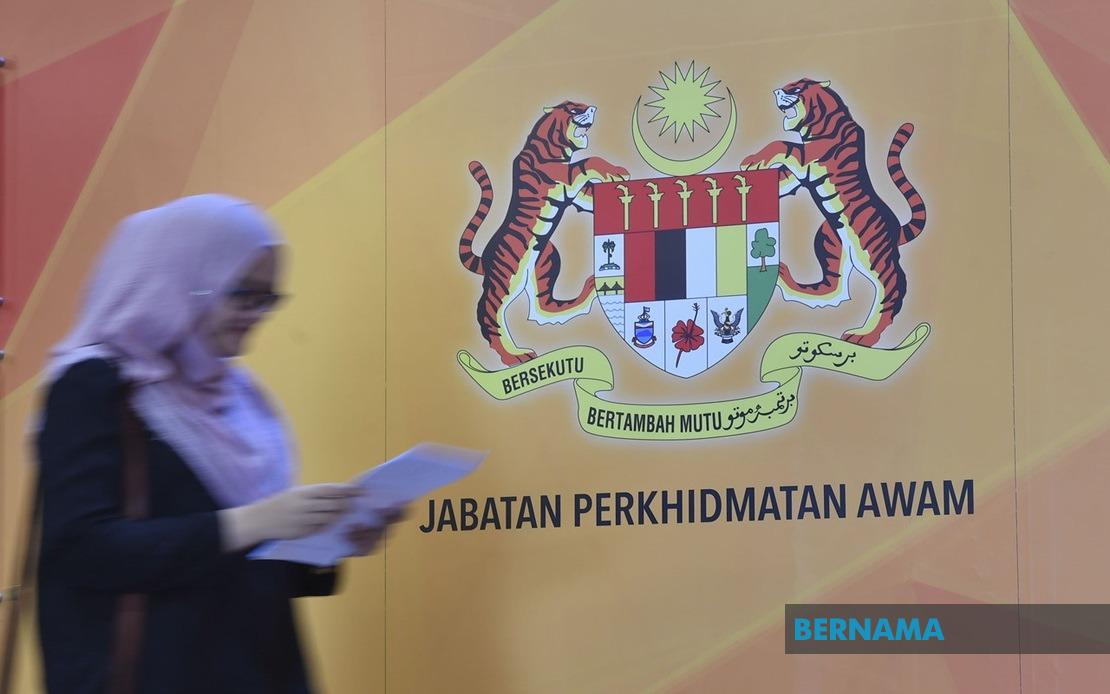
The Public Service Department has announced the availability of 640 sponsorship positions for students graduating from the 2026 Sijil Pelajaran Malaysia examinations, marking a significant expansion in the government's effort to nurture high-calibre professionals for the nation's future workforce. The initiative reflects the broader policy direction of the MADANI Government, which prioritises the development of competitive human capital capable of positioning Malaysia as a regional and global economic player. By investing in tertiary education sponsorships, JPA seeks to ensure that talented Malaysian youth from diverse socioeconomic backgrounds gain access to quality tertiary institutions regardless of geographic location.
The sponsorship architecture comprises four distinct pathways tailored to different student needs and national priorities. The National Sponsorship Programme provides 30 slots for candidates pursuing specialised fields, whilst the Special Programme for Japan, Korea, France and Germany allocates 140 positions, reflecting Malaysia's strategic partnerships with these economically advanced nations and the value of exposure to their educational systems and technological innovation. The Special Programme for Domestic SPM Graduates offers 200 places, prioritising access to Malaysian universities and ensuring that students wishing to study locally have comparable funding support to their internationally-bound peers. The JPA-MARA Special Programme, the largest component with 270 slots, operates through a collaborative framework between the Public Service Department and MARA, Malaysia's statutory body for bumiputera development, thereby strengthening the intersectoral coordination in human capital investment.
The fields covered by these sponsorships span engineering, science and technology alongside social sciences disciplines, addressing both immediate sectoral shortages and longer-term national development requirements. Engineering and technology fields remain critical as Malaysia seeks to reduce dependence on foreign expertise whilst building indigenous innovation capacity in advanced manufacturing, semiconductors and digital technologies. Science disciplines support research and development imperatives essential for moving up the value chain, whilst social sciences training equips future civil servants, economists and policy analysts needed to manage complex governance challenges. This balanced portfolio reflects recognition that sustainable development requires expertise across technical and non-technical domains.
The geographic scope of study opportunities demonstrates JPA's emphasis on leveraging educational partnerships with developed economies whilst maintaining investment in domestic institutions. Sponsored students may pursue studies in the United States, Australia, Japan, South Korea, France, Germany, the United Kingdom and New Zealand—jurisdictions representing world-leading universities and advanced knowledge economies. Simultaneously, Malaysian higher education institutions remain viable options, allowing cost-effective sponsorship delivery and supporting the internationalisation ambitions of local universities competing for talent. This dual approach balances exposure to global best practices with prudent allocation of public resources and encouragement of domestic institutional excellence.
A significant structural change accompanies the 2026 sponsorship announcement: successful recipients will receive funding through the Academic Merit-Based Convertible Loan mechanism introduced in June 2025. This represents a philosophical shift from traditional non-repayable scholarships toward a hybrid model combining grant assistance with loan components, contingent on maintaining academic performance standards. The convertible loan structure incentivises academic excellence throughout the study period, as scholarship portions may convert to loans if recipients fail to meet agreed performance thresholds. This approach balances government fiscal sustainability concerns with equity considerations, as loan portions can be discharged through post-graduation civil service employment or remitted entirely for recipients achieving exceptional academic outcomes.
The application review process has been completed and successful candidates can access their results through JPA's digital system during the specified window from 10 am on announcement day through 5 pm on June 22. The shift to online result notification reflects modernisation of administrative processes and ensures transparent, immediate communication to applicants nationwide. This timing provides successful recipients approximately two months to prepare for tertiary enrolment, secure visas for international placements and arrange logistical matters before typical academic calendars commence in September. The concentrated notification window also enables JPA to commence disbursement procedures and coordinate with receiving institutions regarding intake arrangements.
For Malaysian students aspiring to pursue higher education, the JPA sponsorship programme represents one of the most prestigious funding avenues available, though competition remains intense given the limited slots relative to the SPM cohort size. Successful applicants gain not only financial support but also association with the government's talent pipeline, which frequently shapes subsequent career trajectories in the civil service and linked sectors. The programme's historical track record demonstrates that JPA scholars often progress to senior positions within government and state-linked companies, making sponsorship receipt a potential springboard for long-term career advancement.
The emphasis on international educational exposure carries particular significance for Malaysia's regional positioning. As ASEAN nations increasingly compete for technical expertise and innovation leadership, exposure to world-class foreign universities provides Malaysian graduates with international networks, exposure to cutting-edge research methodologies and cultural competence increasingly valued in multinational organisations. Conversely, returnees bringing foreign qualifications strengthen Malaysia's capacity for technology transfer and knowledge dissemination throughout domestic sectors. The programme thus functions not merely as educational provision but as strategic investment in Malaysia's soft power and competitive positioning within the knowledge economy.
Implementation of the 2026 cohort sponsorships will test the scalability of the convertible loan financing model whilst revealing administrative challenges in coordinating placements across eight countries and numerous domestic institutions. JPA's coordination role spans visa facilitation, institutional liaison, academic monitoring and loan administration—functions demanding sophisticated systems and skilled personnel. Success will depend on seamless communication between JPA, receiving institutions, scholarship recipients and employers post-graduation, particularly regarding loan repayment obligations and potential forgiveness mechanisms tied to civil service employment.
The sponsorship initiative aligns with Malaysia's broader human capital development strategies articulated in the 12th Malaysia Plan and Economic Transformation Programme, which prioritise upgrading workforce skills and productivity. By targeting the SPM cohort—the gateway to tertiary education—JPA intervenes at a critical juncture when educational trajectory becomes increasingly crystallised. The 640 placements represent a modest but meaningful intervention in a cohort of approximately 400,000 SPM candidates, suggesting that whilst JPA scholarships offer significant opportunities, the majority of students must secure alternative financing through loans, family resources or private sponsorships.
The programme's success will ultimately be measured not by sponsorship allocation alone but by the career outcomes, research contributions and leadership roles subsequently achieved by recipients. Tracking mechanisms measuring employment rates, salary progressions, retention in public service and entrepreneurial activities initiated by alumni would provide evidence regarding return on government investment. As Malaysia confronts skills mismatches and brain drain concerns, the quality and destination outcomes of JPA sponsors merit ongoing scrutiny and programme refinement.