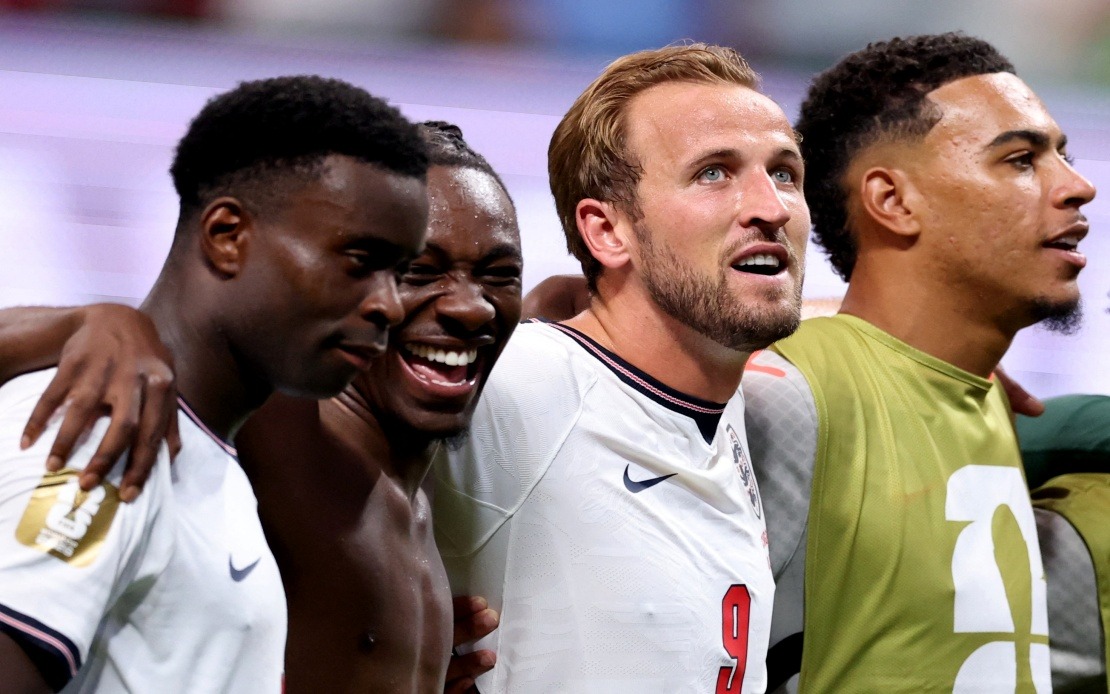
England's World Cup campaign experienced a harrowing scare in Atlanta on July 2 before Harry Kane's brace rescued Thomas Tuchel's side from a potentially catastrophic exit at the hands of the Democratic Republic of Congo. The Three Lions recovered from falling behind early to secure a 2-1 victory in the round of 32 knockout stage, though the manner of the performance will have raised serious concerns about their prospects against Mexico in the next phase.
The opening stages belonged entirely to Congo, whose organised approach caught England flat-footed. Brian Cipenga's early goal placed the African nation on the verge of engineering one of international football's greatest upsets, a prospect that conjured uncomfortable memories of England's humiliating departure from the Euros a decade earlier when they fell to Iceland. For long stretches of the first half, Tuchel's expensively assembled squad looked capable of repeating that embarrassing chapter, with Congo's goalkeeper Lionel Mpasi producing several inspired saves to keep his team ahead.
England's attacking play lacked the incision and pace that characterised their qualifying campaign. Kane repeatedly found himself isolated upfront, and the creative burden fell heavily on midfield players struggling to find rhythm against Congo's compact defensive shape. Yoane Wissa came close to doubling Congo's advantage when he struck the woodwork late in the first half, and England goalkeeper Jordan Pickford was forced into meaningful saves to prevent what would have been a historic collapse. The tension around the stadium grew palpable as the interval approached, with frustration audible from supporters who questioned whether their team would suffer a replay of their Euros nightmare.
Tuchel's tactical adjustments during the interval proved decisive. The substitution of Anthony Gordon, the left winger brought on to inject pace and creativity, fundamentally altered the game's dynamics. Gordon's direct running troubled Congo's defence repeatedly, creating space for Kane to operate more freely. The England captain had earlier felt aggrieved when he believed he was denied a clear penalty, an incident that might have shifted the match's trajectory had it been awarded correctly.
Kane's equaliser arrived midway through the second half, with Gordon providing the assist after a burst of pace down the left flank. The goal seemed to release the mounting pressure that had accumulated over the preceding ninety minutes. Kane then completed his brace shortly after, again profiting from Gordon's link-up play to ensure England's progression. This marked the first occasion England had won a World Cup match after conceding first since their 1966 final victory, a statistical reminder of how rarely they recover from such positions at this tournament's business end.
The victory carries considerable caveats for Tuchel's management. While reaching the last sixteen represents progress, the manner of England's performance against an opponent ranked well below them suggests vulnerable areas that Mexico, and potentially stronger teams further ahead, will seek to exploit. Congo's exposure of England's defensive fragility, particularly through high pressing and direct attacking play, indicates that complacency and predictability remain recurring weaknesses. The team's struggle to break down determined opposition raises questions about their ability to unlock tighter defences.
For Malaysian and regional readers, this match exemplifies how football's tournament format produces unpredictable outcomes that defy conventional hierarchy. Congo's presence in the knockout stages, marking their first-ever appearance at this stage of the World Cup, underscores how African nations continue developing competitive football programmes capable of troubling established powers. The Democratic Republic of Congo's passionate display, despite the eventual defeat, demonstrates that investment in player development and tactical organisation can produce results that rival wealthy European federations.
The implications for England's campaign pivot entirely on their encounter with Mexico at the Azteca. Co-hosts Mexico carry their own burden of expectation while facing a side that, despite reservations about their performance against Congo, possesses world-class talent and tournament experience. How Tuchel addresses the defensive vulnerabilities exposed on Wednesday will determine whether this comeback represents a turning point or merely a warning of greater troubles ahead. The relief of progression masks deeper structural problems that serious opponents will ruthlessly expose.

