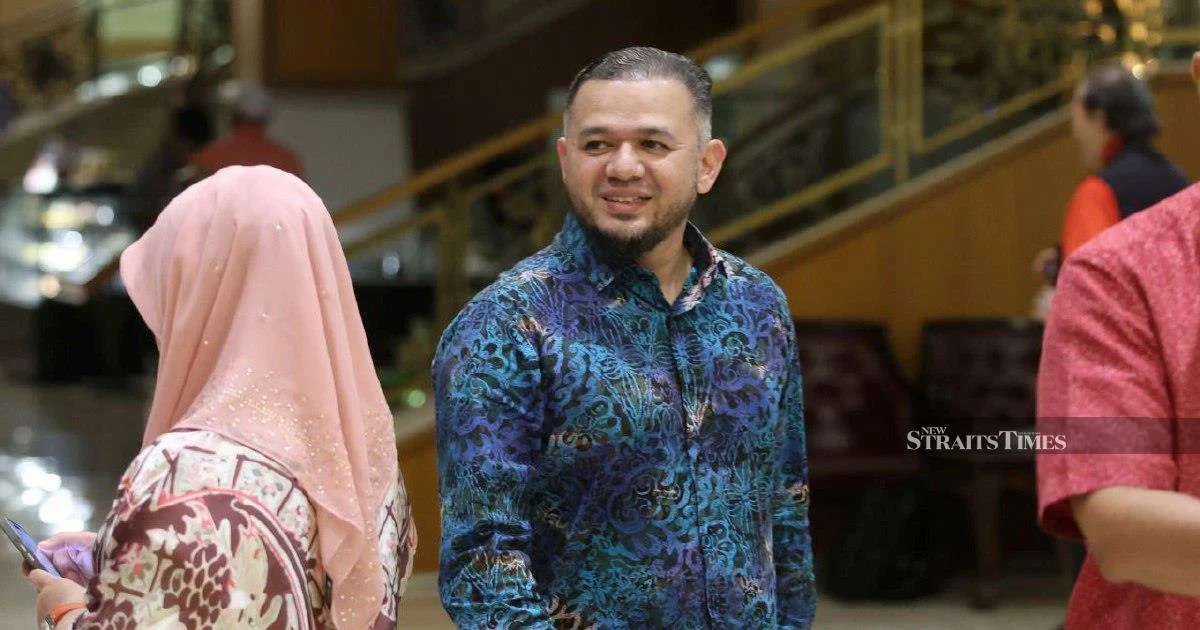
The Kangar Umno division chief and two other former company directors have been ordered to repay RM492,480 to a hajj and umrah service provider after the High Court rejected their attempt to postpone execution of the judgment. Datuk Dr Fathul Bari Mat Jahya, along with his co-defendants, had sought a stay of execution on the court's decision, but the High Court in Kuala Lumpur found no compelling grounds to grant their request.
The financial obligation stems from their tenure as directors of the company in question, which provided pilgrimage services to Malaysian Muslims seeking to undertake the hajj or umrah pilgrimages. The disputed sum represents funds that were apparently mishandled or unaccounted for during their period of leadership at the organisation. The case underscores ongoing scrutiny of corporate governance practices within entities connected to political figures in Malaysia.
Fathul Bari's position as chief of the Kangar Umno division, which falls within Kedah state, adds a political dimension to the dispute. Umno, as the largest component of the ruling Barisan Nasional coalition, maintains significant influence across federal and state governance structures. However, the judgment suggests that judicial oversight of financial accountability applies regardless of political affiliation or standing within major parties.
The rejection of the stay application represents a critical juncture in the proceedings, as it removes a procedural avenue available to defendants seeking to delay enforcement of court orders. Stay applications are typically granted only when applicants demonstrate substantial questions of law or fact that require resolution on appeal, or when there exist exceptional circumstances that would render the execution unjust. The High Court's dismissal signals that the judges found the defendants had failed to meet these stringent criteria.
The three defendants now face immediate obligations to settle the RM492,480 liability. This judgment carries implications beyond the immediate financial burden, as it establishes a clear legal precedent regarding the personal accountability of company directors for financial irregularities during their stewardship. In Malaysian corporate law, directors hold fiduciary duties to their organisations and stakeholders, and breaches of these obligations can result in personal financial liability.
Hajj and umrah service providers occupy an important niche within Malaysia's religious and tourism sectors, facilitating one of Islam's five pillars for thousands of pilgrims annually. These organisations handle substantial sums of money collected from clients in trust, making financial transparency and proper record-keeping essential. Any breach of fiduciary duty within such enterprises affects not only company operations but also the trust Malaysian Muslims place in institutions managing their pilgrimage arrangements.
The case also reflects broader concerns about corporate governance within Malaysia's professional and service-based enterprises. Recent years have witnessed increased judicial attention to financial accountability among company directors across various sectors, particularly where public trust or charitable elements are involved. The High Court's decision sends a signal that such accountability is expected and enforceable, irrespective of the defendant's political connections or status.
For Umno specifically, the judgment presents a management challenge. The party has faced multiple instances where senior figures have faced legal proceedings for financial irregularities or misconduct. While Umno maintains that it does not condone wrongdoing among its members, such cases inevitably attract public attention and generate questions about internal discipline and oversight mechanisms within Malaysia's dominant political organisation. The party has occasionally suspended or taken action against members facing serious allegations, though enforcement remains inconsistent.
The dismissal of the stay application also suggests the appellate pathway faces significant headwinds. Defendants typically lodge stay applications before seeking appeals to higher courts; the High Court's rejection implies that judges saw little merit in the arguments presented. Should the defendants proceed to appeal to the Court of Appeal, they will need to present substantive legal grounds challenging either the factual findings or the judicial reasoning underlying the original judgment.
From a broader Southeast Asian perspective, Malaysia's judicial handling of corporate governance disputes demonstrates the region's increasing maturity in addressing financial accountability. While many developing economies struggle with enforcement of corporate director liability, Malaysian courts have demonstrated consistent application of legal principles requiring personal accountability. This approach aligns with international best practices and strengthens investor confidence in Malaysian corporate institutions.
The immediate practical consequence is that execution mechanisms will proceed to recover the RM492,480 from the defendants. These mechanisms may involve asset seizures, salary garnishment, or other enforcement procedures available under Malaysian civil law. The defendants' options now narrow considerably, with appeal representing their primary remaining legal avenue, though the High Court's decision suggests such appeals face an uphill battle.
The case ultimately underscores that Malaysian courts maintain independence in enforcing financial accountability, even when defendants hold prominent positions within the nation's political establishment. The judgment sends a message that corporate governance standards and director accountability represent non-negotiable principles within Malaysia's legal framework, regardless of an individual's political affiliation or party status.

