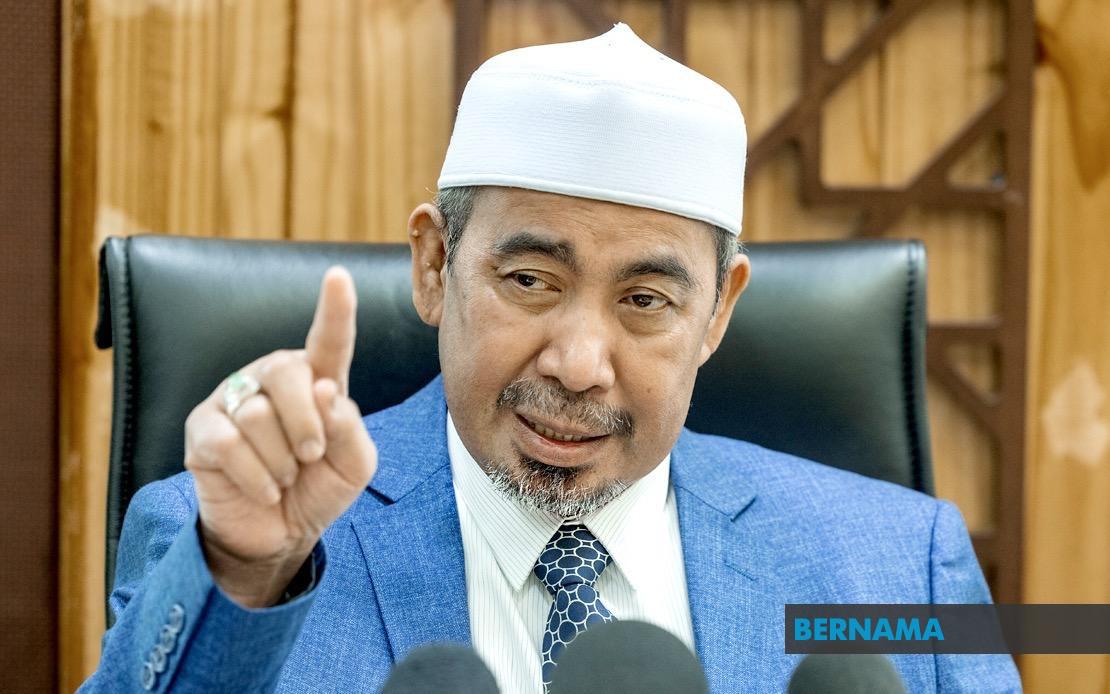
The Kota Bharu Integrated Bus Station Terminal, commonly known as KB Sentral, has encountered significant scheduling challenges during its initial construction phase, with soil treatment activities falling three weeks behind their projected timeline. Speaking at the Kelantan State Legislative Assembly sitting held at Kota Darulnaim Complex, Datuk Dr Izani Husin, who chairs the State Public Works, Infrastructure, Water and Rural Development Committee, revealed that work completion currently stands at 40.07 per cent of the project scope, trailing the originally scheduled progress milestone of 47.26 per cent. The revelations emerged during discussion of a parliamentary query filed by Datuk Mohd Syahbuddin Hashim representing the Galas constituency under the Barisan Nasional coalition.
The primary culprit behind the delay traces directly to persistent monsoon weather patterns affecting the Kelantan region. Heavy rainfall occurring consistently throughout evenings and nights has created waterlogging conditions across the construction site, complicating the foundational soil preparation work essential for the project's structural integrity. Standing water accumulation presents a formidable obstacle to achieving the soil stabilisation necessary before transitioning to subsequent construction phases, fundamentally compromising progress schedules that depend on controlled site conditions.
Beyond meteorological challenges, the project encountered technical complications involving the installation of prefabricated vertical drain systems, commonly abbreviated as PVD. These specialised vertical drainage mechanisms represent crucial infrastructure components designed to accelerate the drying process of moisture-laden soil at construction sites. The delayed deployment of PVD technology has cascading effects throughout the soil treatment workflow, preventing teams from achieving their target drying timelines and further compounding the overall schedule slippage experienced to date.
Despite the current setback, Izani expressed confidence that soil treatment operations would reach completion by May 17, 2027, marking the formal conclusion of the project's contractual timeline for this foundational phase. This updated projection, while maintaining the original contract expiration date, effectively resets expectations regarding when subsequent construction phases can commence. The May 2027 completion target, if achieved, would represent the critical milestone after which site conditions stabilise sufficiently for structural development to begin in earnest.
The terminal building construction phase cannot proceed until soil preparation concludes, creating a sequential dependency that pushes the commencement of main structural work to no earlier than June 2027. This cascading delay means that the entire project timeline has effectively shifted by approximately three weeks at minimum, with potential ramifications extending through subsequent phases of development. Such delays carry financial implications for contractors, potential cost escalations, and downstream effects on workforce deployment across the Kelantan construction sector.
The KB Sentral project itself represents a significant infrastructure investment for the state, intending to modernise ground transportation facilities and improve connectivity across the region. Following protracted negotiations between the Kelantan government and Perak Transit that ultimately failed to produce an acceptable agreement, state authorities made the strategic decision to assume direct control of the project implementation. This transition in project management responsibility reflected calculations that government stewardship would better ensure timely delivery compared to continuing negotiations with the private operator.
The decision to transfer project control received input from Kelantan Deputy Menteri Besar Datuk Dr Mohamed Fadzli Hassan, whose analysis weighed the urgency of completing the terminal against practical constraints inherent in ongoing commercial negotiations. Government takeover resolved contractual impasses and established a clearer pathway forward, though the emergence of weather-related delays demonstrates that construction timelines remain vulnerable to factors beyond administrative control. Such environmental challenges are particularly acute in Kelantan, which experiences pronounced monsoon precipitation during specific seasons, necessitating robust project planning that accounts for climatic variability.
For Malaysian readers and businesses tracking major infrastructure development, the KB Sentral delays illustrate broader patterns affecting construction timelines throughout Southeast Asia's tropical regions. Climate-related project disruptions have become increasingly frequent, reflecting intensified rainfall patterns and extreme weather events. The three-week setback, while manageable within current contractual frameworks, underscores the importance of building adequate contingency buffers into infrastructure project schedules, particularly those involving soil stabilisation and foundation work in high-rainfall zones.
The financial trajectory of such delays warrants monitoring by state development agencies and potential investors. Cost implications extend beyond labour expenses to encompass extended equipment rental periods, potentially increased material expenses due to market fluctuations, and administrative overhead associated with extended project timelines. These factors accumulate particularly in public infrastructure contexts where budget allocations face external constraints and procurement decisions involve multiple governmental stakeholders.
Moving forward, KB Sentral's progress will depend significantly on seasonal weather patterns and the efficacy of drainage management strategies deployed across the site. The May 2027 deadline remains technically achievable provided no further unforeseen complications emerge during the remaining soil treatment operations. Stakeholders including contractors, government officials, and project beneficiaries now focus on rigorous execution during the critical months ahead to prevent additional delays from compounding the existing three-week shortfall.

