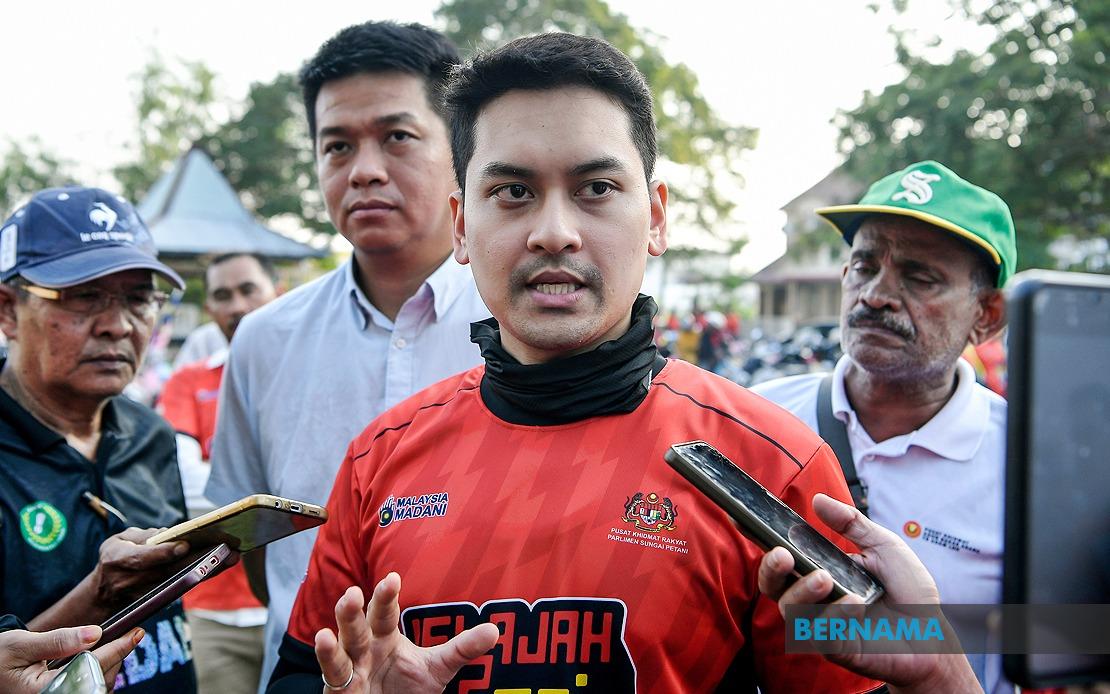
The Ministry of Youth and Sports (KBS) has launched an ambitious nationwide consultation initiative designed to capture the views and priorities of Malaysia's youth population before the government tables its 2027 budget. The MADANI Youth Budget Tour, structured across six geographical zones, represents a deliberate effort by the government to ensure that young Malaysians have a direct channel to articulate their needs and aspirations during the budget planning process. The tour commenced in the northern region, encompassing Kedah, Penang, and Perlis, with plans to move systematically through other states over the coming weeks before the budget is presented to Parliament in October.
Youth and Sports Minister Dr Mohammed Taufiq Johari outlined the scale and scope of the initiative while speaking at the Sahabat MADANI Merdeka Eve culminating event at Universiti Teknologi MARA (UiTM) Penang branch, where Prime Minister Datuk Seri Anwar Ibrahim and Penang Chief Minister Chow Kon Yeow were present. The minister emphasised that the tour had already begun at the Kedah Youth and Sports Complex, marking the formal commencement of a consultative process intended to bring young people's voices directly to the highest levels of government decision-making. This regional approach allows the ministry to gather contextualised feedback relevant to different parts of the country, recognising that youth priorities and concerns may vary significantly across Malaysia's diverse states and territories.
The underlying philosophy of this consultation strategy reflects a broader government commitment to inclusive policymaking. Rather than drafting budget proposals in isolation and then presenting them to the public, the KBS has chosen to invite young Malaysians to participate actively in shaping government priorities from the outset. Town hall sessions and engagement forums form the backbone of this approach, providing structured opportunities for direct dialogue between youth representatives and government officials. Dr Mohammed Taufiq highlighted that contemporary young people are not passive recipients of government programmes but active participants who are prepared to voice their views candidly and constructively.
This developmental moment carries particular significance for Malaysia's demographic profile. With a substantial youth population representing a crucial electoral and economic force, ensuring that budget allocations reflect their genuine priorities becomes essential for long-term national development and social cohesion. The government's decision to conduct these consultations before rather than after budget finalisation signals recognition that youth engagement should inform rather than merely respond to budgetary decisions. For young Malaysians across the northern zone and beyond, this tour presents a tangible opportunity to influence resource allocation in areas ranging from education and skills development to employment opportunities and youth welfare initiatives.
Beyond the immediate budgetary implications, the consultation tour connects to a broader strategic narrative about national unity and social fabric. Dr Mohammed Taufiq emphasised that youth must function as bridges of unity across Malaysia's ethnic and religious communities, extending their responsibility to preserving social cohesion and rejecting divisive forces. This framing positions youth not merely as beneficiaries of budget allocations but as custodians of national wellbeing and intercommunal harmony. The minister's remarks suggest that the government views this budget consultation process as an opportunity to reinforce messages about shared national purpose and mutual respect across Malaysia's pluralistic society.
The Sahabat MADANI initiative, launched at the national level during the same event, provides organisational infrastructure for this broader youth engagement strategy. With 11,060 volunteers registered nationwide, Sahabat MADANI functions as a grassroots network designed to bridge communication between government institutions and local communities. Prime Minister Anwar Ibrahim's presence at the launch underscored the political significance attributed to this volunteerism programme, signalling that the government regards community-based engagement mechanisms as essential to effective governance and public service delivery.
For Southeast Asian observers and development specialists, Malaysia's approach to youth consultation before budget formulation offers an instructive model of participatory governance. While many nations conduct post-hoc public consultations on budgetary matters, the proactive gathering of youth input during the planning phase reflects confidence in young people's capacity to contribute meaningfully to policy discourse. This methodology also acknowledges that budgetary priorities should emerge from genuine dialogue with affected populations rather than technocratic assumptions about youth needs and aspirations.
The geographical sequencing of the tour—beginning in the northern zone and extending across states over subsequent weeks—reflects strategic planning to ensure comprehensive representation from different regions. Northern Malaysia's demographic and economic characteristics differ substantially from the central and southern regions, and this regional approach permits the gathering of contextualised input relevant to local circumstances. Young people in Kedah, Penang, and Perlis face distinct employment opportunities, educational infrastructure, and development priorities compared to their counterparts in other regions, making geographically disaggregated consultation methodologically sound.
The October tabling of Budget 2027 will occur within Malaysia's normal parliamentary calendar, providing sufficient time for the KBS to synthesise feedback from all six zones into coherent recommendations and thematic priorities. The compressed timeline between now and October necessitates efficient data collection and analysis, requiring trained facilitators and structured feedback mechanisms across all tour locations. This logistical challenge underscores the government's apparent determination to make youth consultation a substantive rather than symbolic exercise.
Youth participation in budgetary processes carries implications for social stability and democratic legitimacy. Young Malaysians who feel heard and represented through genuine consultation mechanisms develop stronger institutional trust and greater willingness to support government initiatives. Conversely, consultation perceived as perfunctory or non-responsive risks alienating precisely those demographic groups essential to implementing long-term national development strategies. The depth and authenticity of the MADANI Youth Budget Tour's consultative process will therefore shape not only budget content but also broader patterns of youth political engagement and institutional confidence.
Looking forward, the feedback gathered across all six zones will presumably inform not only specific Budget 2027 allocations but also broader policy directions affecting Malaysia's young population. Areas potentially receiving heightened attention based on youth feedback might include tertiary education funding, graduate employment support, entrepreneurship facilitation, mental health services, housing affordability, and skills development aligned with emerging economic sectors. The government's willingness to conduct systematic pre-budget youth consultation suggests openness to potentially restructuring priorities based on what young Malaysians identify as their most pressing concerns and aspirations.

