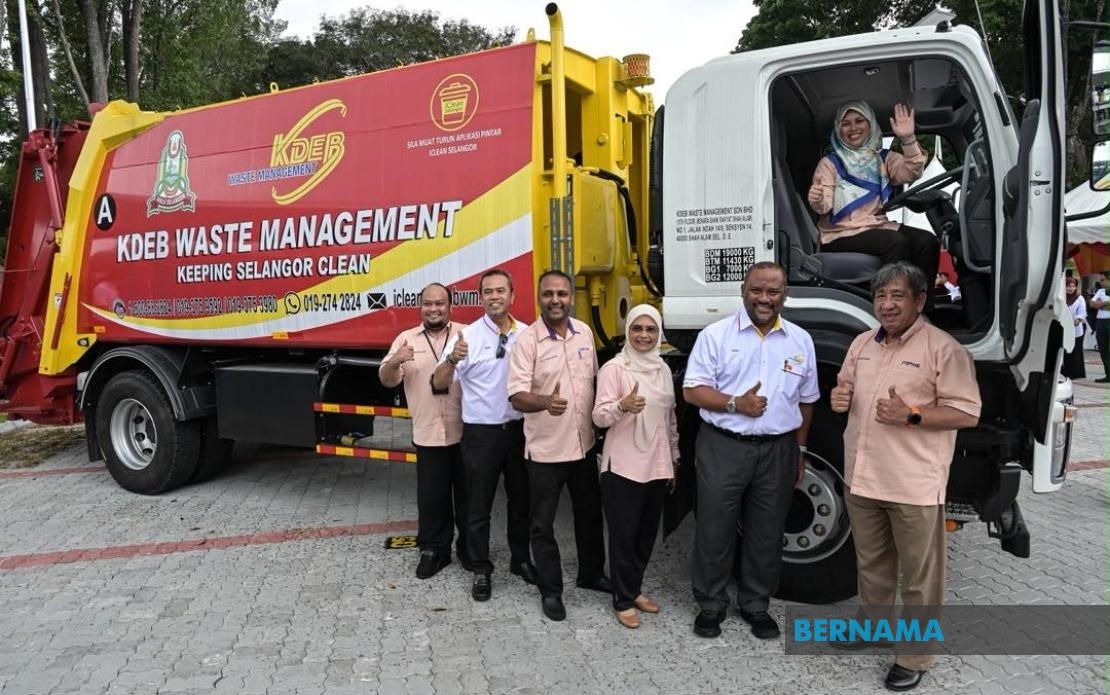
Hulu Selangor's municipal waste management capacity received a significant upgrade this month with KDEB Waste Management (KDEBWM) delivering 33 new compactor lorries to the Hulu Selangor Municipal Council (MPHS). The fleet handover marks the beginning of a seven-year operational contract that commenced on July 1, representing the company's second consecutive service agreement with the local authority after their initial contract period ended.
The newly deployed vehicles represent a substantial infrastructure investment, comprising 18 Isuzu units, five Mitsubishi Fuso lorries, and ten UD Trucks. Each vehicle incorporates modern waste collection specifications designed to enhance operational efficiency while maintaining stringent safety and environmental standards throughout the contractual period extending to June 30, 2033. The fleet modernisation reflects evolving expectations in municipal waste management as Malaysian cities grapple with rising consumption and disposal challenges.
Datuk Ramli Mohd Tahir, KDEBWM's managing director, emphasised that the company's track record informed their selection for the renewed contract. During their previous seven-year tenure, which concluded at the end of June, the firm collected between 100 and 150 tonnes of waste daily. The substantially increased waste volumes now being processed—ranging from 150 to 250 tonnes daily with projections reaching 300 tonnes—underscore the escalating pressure on municipal waste systems across Selangor's expanding townships and residential areas.
The financial commitment underlying this arrangement reflects MPHS's prioritisation of waste infrastructure development. The seven-year partnership carries a total contract value of RM117.2 million, translating to approximately RM16.7 million annually. This investment level suggests recognition within municipal leadership that effective waste management directly influences urban liveability and public health outcomes in the district.
Operational changes accompanying the new contract represent a significant shift in how residents and businesses manage their waste streams. Effective from July 1, MPHS and KDEBWM implemented a door-to-door collection system replacing traditional communal disposal points. This transition eliminates reliance on leach bins, a practice that has characterised Malaysian residential waste management for decades. Instead, households and premises are now required to provide their own covered waste containers with a minimum 120-litre capacity, marked with identifying information to streamline collection logistics.
The protocol governing waste preparation reflects best practices in modern waste management aimed at reducing contamination and environmental spillage. Residents must place all domestic waste in tightly sealed plastic garbage bags before depositing them into their designated bins, with lid closure mandatory to prevent animal scavenging and rainfall infiltration. These seemingly minor procedural requirements represent a fundamental reorientation of household responsibilities, shifting from passive reliance on communal infrastructure toward individual participation in waste management discipline.
Julaiahah Jamaludin, the MPHS president, contextualised these changes within the council's broader waste management strategy. Beyond domestic waste collection, MPHS is collaborating with KDEBWM to address industrial waste streams from small and medium enterprises throughout the district. This dual-track approach recognises that comprehensive waste management encompasses both household and commercial sources, requiring coordinated handling through designated concession panel companies specialising in industrial waste treatment and disposal.
The expansion of waste collection capacity carries particular significance for Hulu Selangor's development trajectory. The district, encompassing diverse residential, agricultural, and commercial zones, has experienced notable population growth over recent years. Rising waste volumes reflect not merely demographic expansion but changing consumption patterns and urban density. Enhanced collection infrastructure signals municipal confidence in continued growth while attempting to prevent waste management from becoming a constraint on development.
For Malaysian readers monitoring municipal service efficiency, the Hulu Selangor initiative offers instructive insights into how local authorities are attempting to modernise waste systems. The shift toward door-to-door collection with household-provided containers represents a model increasingly adopted across Malaysian municipalities, though implementation varies considerably. Successful execution depends substantially on public cooperation and understanding, requiring sustained communication about new procedures.
The financial framework underlying this arrangement also warrants attention. At RM16.7 million annually for a district-level waste collection system, the cost reflects contemporary service delivery standards. Comparable municipalities across Selangor and other states are pursuing similar infrastructure upgrades, creating competitive pressure for service quality improvements. This contractual approach, where specified performance outcomes justify premium pricing, increasingly characterises Malaysian municipal service delivery.
Looking forward, the contract's duration until 2033 provides operational stability for both KDEBWM and MPHS. This extended timeframe permits the company to justify vehicle investments and service standardisation, while enabling the council to plan complementary waste management infrastructure such as disposal facilities and recycling initiatives. The longevity of such arrangements facilitates integrated planning that isolated, short-term contracts cannot accommodate.
The waste management sector across Southeast Asia faces mounting pressures from population growth, urbanisation, and regulatory expectations regarding environmental standards. Malaysia's experience implementing enhanced municipal services through public-private partnerships like the Hulu Selangor arrangement provides a framework increasingly relevant to neighbouring economies. As regional cities confront similar waste management challenges, examining how Malaysian municipalities approach infrastructure modernisation and service delivery restructuring offers valuable comparative perspectives on managing urban growth sustainably.

