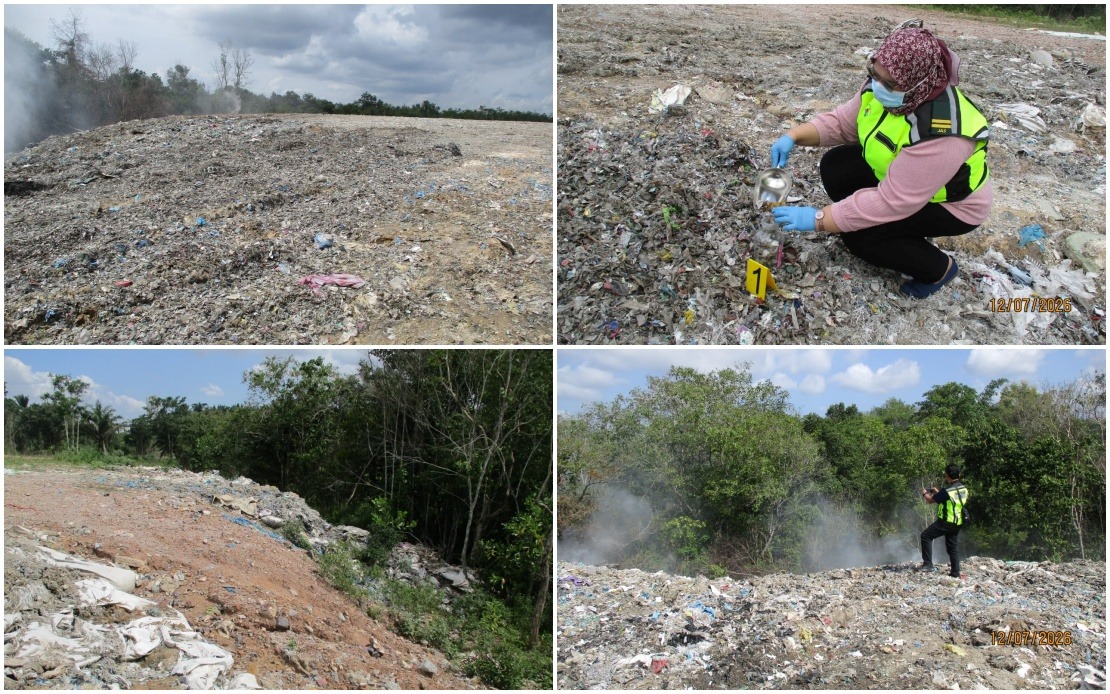
Environmental authorities in Kedah have dismantled an unauthorised waste management operation in Bukit Banyan, following public complaints about pollution in the district. The discovery marks another instance of illegal waste handling practices persisting despite regulatory oversight, with investigators finding a sprawling dumping ground that had attracted unscrupulous operators seeking quick profits from salvaged materials.
Sharifah Zakiah Syed Sahab, who heads the Kedah Department of Environment, revealed that the enforcement team responded to community concerns after receiving reports of unusual burning odours emanating from the Bukit Banyan locality. Upon arrival at the site, officials confirmed the presence of both controlled disposal activities and unauthorised burning, indicating a deliberate effort to conceal evidence or recover metal components from discarded items. The operation had been conducted with minimal regard for environmental safeguards or public health protocols.
The contaminated area spans approximately 250 square metres, with domestic waste and mixed solid materials strewn across a cleared plot of land. Visible smoke at the time of the inspection pointed directly to open burning—a practice strictly prohibited under Malaysian environmental regulations. Investigators determined that individuals involved in the scheme were deliberately igniting waste to extract metals and other valuable components, a method that releases toxic fumes and poses serious respiratory hazards to nearby residents and workers.
Further enquiries established that the site had never received the necessary authorisation from the Environment director-general, a fundamental requirement for any waste handling facility. This discovery underscores a persistent compliance gap in Malaysia's waste management infrastructure, particularly in districts where industrial activity generates substantial volumes of refuse. The illegal operation appears to have been orchestrated by a domestic waste collection contractor serving industrial zones across the Sungai Petani district, suggesting a systematic circumvention of proper disposal procedures rather than opportunistic dumping.
To establish the full extent of contamination and potential environmental damage, the Kedah DOE collected comprehensive samples from the site for transmission to the Department of Chemistry. Laboratory analysis will determine whether hazardous substances have been released into surrounding soil or groundwater, and whether remediation measures are necessary. This scientific investigation is essential for assessing risks to residents in adjacent areas and informing enforcement decisions.
The unlicensed operation contravenes multiple provisions of the Environmental Quality Act 1974, making this a serious breach of state and federal environmental law. Authorities have initiated investigations under Section 29A(1) of the Act, which penalises open burning activities on private or public land, and Section 34A(6), which criminalises the operation of waste disposal facilities without prior approval from the director-general. Both charges carry potential penalties that serve as deterrents to future violations.
This enforcement action reflects escalating concern among Malaysian authorities about informal waste management networks that undermine the formal regulatory framework. The involvement of a contractor suggests that cost-cutting motivations drive illegal dumping, as unregistered facilities avoid licensing fees, environmental assessments, and ongoing compliance monitoring. When contractors operate outside formal channels, accountability becomes nearly impossible, and communities bear the environmental and health consequences.
The case now advances to the Solid Waste and Public Cleansing Management Corporation (SWCorp), the agency responsible for enforcing waste management standards nationwide. SWCorp's involvement will ensure coordinated monitoring and follow-up action, potentially including site remediation and penalties against responsible parties. This institutional coordination reflects Malaysia's evolving approach to environmental enforcement, wherein multiple agencies collaborate to strengthen compliance and deter repeat offences.
For Malaysian businesses and contractors, the Bukit Banyan case offers a cautionary lesson about regulatory expectations. Waste management operates within a tightly defined legal framework, and shortcuts carry substantial legal and reputational risks. Companies that generate or handle solid waste must engage licensed disposal providers, maintain documentation, and cooperate with periodic inspections. The financial savings from illicit dumping pale against potential criminal charges, facility closures, and public backlash.
The broader context reflects Malaysia's ongoing struggle to manage industrial waste responsibly as manufacturing and commerce expand. Although the country has invested in modern landfills and waste treatment facilities, informal dumping persists in remote or semi-developed areas where enforcement presence remains thin. Resident awareness and willingness to report violations, as occurred in Bukit Banyan, remains essential for closing gaps that unscrupulous operators might otherwise exploit.
Moving forward, the Kedah DOE's actions signal a commitment to environmental protection despite resource constraints. However, sustained compliance requires not only responsive enforcement but also preventive education and business incentives that make legal compliance economically attractive. Regional authorities and business associations should collaborate to ensure contractors understand regulatory requirements and the consequences of non-compliance.

