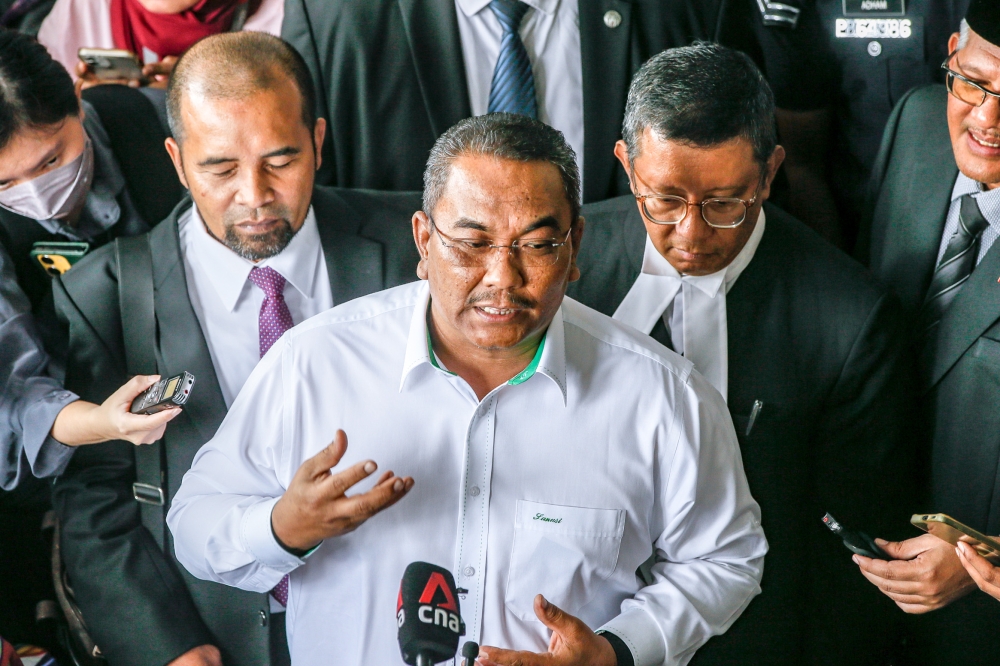
Kedah Menteri Besar Datuk Seri Muhammad Sanusi Md Nor has escalated a political dispute by issuing formal letters of demand to DAP leader Nga Kor Ming and two other individuals, accusing them of deliberately misrepresenting his earlier comments. The action, announced in Alor Star on August 5, represents a significant hardening of rhetoric between the state government and its critics, reflecting the increasingly litigious nature of political disagreements in Malaysia's contemporary landscape.
The letters of demand constitute a formal legal warning, typically issued before pursuing civil defamation claims or other court remedies. By taking this step, Sanusi has signalled his willingness to pursue the matter through judicial channels should the recipients fail to comply with the implicit demands for retraction or clarification. Such moves have become more common among Malaysian political figures seeking to control their public narrative and hold critics accountable for statements they view as misleading or damaging to their reputation.
Nga Kor Ming, who represents Perak in parliament and holds significant influence within the DAP's leadership structure, has been specifically named in the correspondence. As a prominent member of the opposition and a frequent commentator on state and federal governance issues, Nga's position makes this dispute particularly noteworthy. The involvement of two additional recipients suggests the controversy extends beyond a simple bilateral disagreement between two political figures, possibly implicating media personalities or other political actors who may have amplified or spread the allegedly distorted remarks.
The nature of the alleged distortion remains central to understanding this confrontation. Political speech in Malaysia exists in a complex environment where statements can be interpreted through different ideological lenses, and public figures must navigate carefully between engaging in robust debate and avoiding claims that could invite legal action. Sanusi's decision to formalize his objection through letters of demand suggests he believes the distortion crossed a threshold from fair commentary into defamatory territory.
This incident sits within the broader context of Kedah's political dynamics, where Sanusi has positioned himself as a reformist Menteri Besar working to modernize state governance. His government has faced periodic criticism from opposition figures on various policy matters, and such confrontations have occasionally spilled into personal disputes. The current action indicates diminishing tolerance for what he perceives as mischaracterization of his positions or statements.
For Malaysian legal practitioners and observers, the case raises important questions about the intersection of political speech protection and defamation law. The courts have historically required that public figures tolerate a higher threshold of critical comment than private citizens, recognizing that public debate necessarily involves vigorous contestation of facts and interpretation. Whether the alleged distortion constitutes actionable defamation or permissible political argument will ultimately depend on evidence and legal argument should the matter proceed to litigation.
The timing of this escalation carries significance within Malaysia's political calendar. Tensions between state governments and opposition parties frequently intensify during budget cycles or when key political appointments are being contested. The involvement of a DAP leader, representing a party that dominates in several Malaysian states but remains opposed in Kedah, suggests the row may reflect broader national political realignments and state-level power struggles.
International observers of Malaysian politics will note that such legal manoeuvres have proliferated across the political spectrum in recent years, with both government and opposition figures utilizing defamation law as a political tool. This trend raises concerns among civil society advocates about the potential chilling effect on free speech and robust public discourse. The threat of expensive litigation can deter critics from speaking out, even when their comments are made in good faith.
For Kedah residents and business interests, such political friction at the state leadership level can have practical consequences. When political leaders are engaged in personal legal disputes, energy and attention that might otherwise focus on policy implementation and service delivery becomes diverted. The state government's effectiveness in addressing infrastructure, education, health, and economic development issues may be compromised when senior officials are preoccupied with litigation.
The DAP's response to these letters of demand will be closely watched within Malaysian political circles. The party has historically fought back against what it characterizes as attempts at intimidation through legal threat, often mobilizing its supporters and media presence to defend its members. How Nga Kor Ming and his colleagues respond—whether through retraction, clarification, counter-argument, or legal defence—will substantially influence the trajectory of this dispute.
Looking forward, several outcomes are possible. The recipients may comply with implicit demands in the letters, resulting in retractions or clarifications that allow the matter to be resolved without court involvement. Alternatively, they may contest the claims through media statement or legal response, potentially escalating the dispute further. Should litigation proceed, it could occupy judicial resources for an extended period while generating ongoing political controversy.
This situation also underscores the importance of political leaders being precise in their public communications. Whether Sanusi's original remarks were genuinely distorted or whether this represents political theatre remains unclear from the formal announcement alone. What is evident is that Malaysian politics continues to feature high-stakes disputes where legal mechanisms intersect with electoral calculations and public reputation management.

