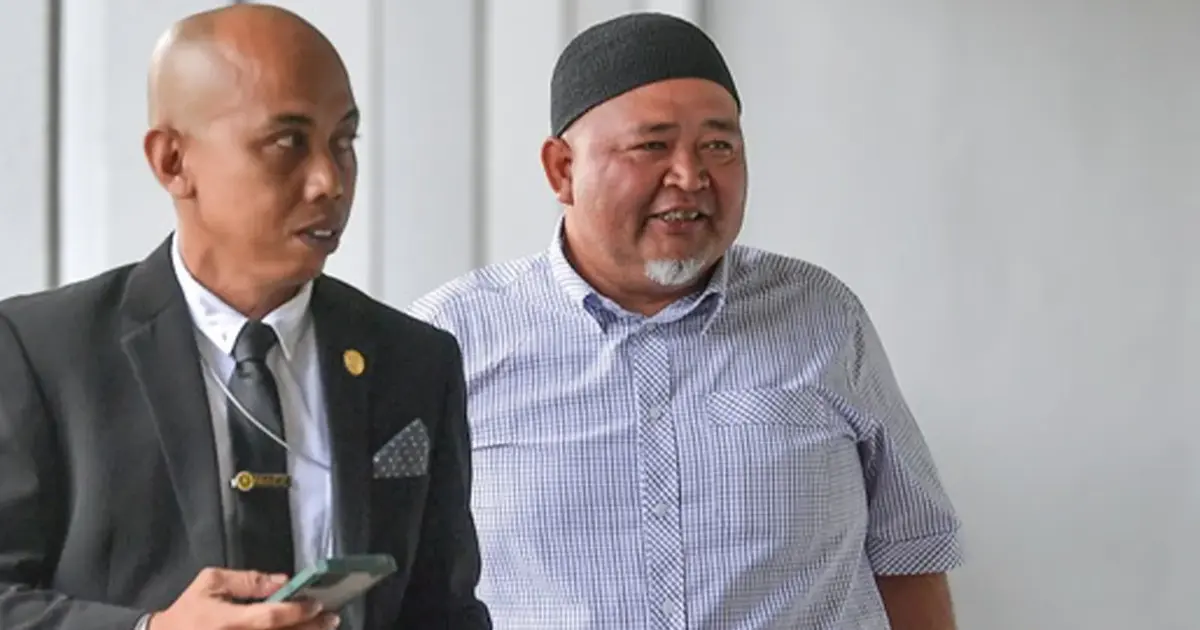
A Kuala Lumpur sessions court has ruled that the prosecution has built a credible case against Hilmi Abdul Wahab, the former aide to Kedah's Menteri Besar, in connection with alleged bribery related to rare earth operations. Judge Suzana Hussin's determination that a prima facie case exists marks a significant development in what has become one of Malaysia's most closely watched corruption investigations touching the highest echelons of state leadership.
The establishment of a prima facie case represents a crucial procedural threshold in Malaysian criminal law. It means the prosecution has presented sufficient evidence that, if accepted as truthful, would be capable of proving the charges against the accused beyond reasonable doubt. This ruling effectively advances the case past its preliminary stages and compels Hilmi Abdul Wahab to present substantive arguments in his defence rather than merely challenging the prosecution's case construction.
The rare earth industry has become increasingly significant for Malaysia's economic aspirations and technological development. These elements, essential for manufacturing electronics, renewable energy systems, and defence applications, represent a strategic resource with enormous commercial value. When allegations of bribery emerge within this sector, they carry implications extending far beyond individual accountability to questions about governance standards in resource-intensive industries that attract substantial foreign and domestic investment.
Hilmi Abdul Wahab's position as an aide to the Menteri Besar placed him within the inner circle of Kedah's executive authority. Such positions typically involve privileged access to decision-making processes, sensitive information, and high-level governmental deliberations. The prosecution's success in establishing grounds for a defence hearing suggests evidence has been presented indicating abuse of such proximity to power for personal financial gain.
The timing and nature of this case reflects broader concerns about integrity within Malaysia's administrative machinery. Kedah, as one of the country's major states, plays a substantial role in national governance and resource management. Allegations of corruption at the menteri besar's office level potentially undermine public confidence in state institutions and raise questions about oversight mechanisms that should constrain such misconduct.
Rare earth elements, while strategically vital, have attracted controversial development proposals throughout Southeast Asia. Malaysia's involvement in rare earth processing and trading has involved complex environmental, social, and economic considerations. When corruption allegations surface in this particular industry, they carry added weight given the heightened scrutiny and public debate surrounding rare earth operations and their actual or potential impacts.
The prosecution's ability to meet the prima facie threshold indicates they have gathered testimony, documentary evidence, or material demonstrating connections between Hilmi Abdul Wahab's official position, decisions favouring certain rare earth industry actors, and receipt of improper benefits. Judge Suzana Hussin's ruling specifically affirms that this evidentiary foundation meets legal standards for proceeding to the defence phase.
As the case advances, the defence team must now construct arguments explaining away the prosecution's evidence or demonstrating alternative interpretations consistent with innocence. This might involve challenging the credibility of witnesses, presenting documents suggesting legitimate transactions, or establishing defences recognised under Malaysian law. The defence phase will be more substantively contested than preliminary hearings, with greater opportunity for detailed examination of the evidence.
The rare earth sector in Malaysia has historically attracted international investment and diplomatic interest given global competition for supply chains. Corruption allegations within government agencies handling licensing, approval, or regulatory functions in this sector potentially affect investor confidence and Malaysia's reputation as a stable jurisdiction for resource industries. International observers monitoring Malaysian governance standards will likely pay attention to how thoroughly and fairly this case proceeds through Malaysia's justice system.
The broader context includes Malaysia's ongoing efforts to strengthen anti-corruption enforcement and demonstrate that no government figure, regardless of proximity to high office, remains beyond accountability. Multiple high-profile corruption investigations have proceeded through Malaysian courts in recent years, each contributing to evolving standards and public expectations regarding official conduct. This case represents another test of institutional capacity and political will to prosecute misconduct within state administrations.
Kedah's governance structures and the roles of various officials in approving or facilitating rare earth industry projects will likely come under scrutiny as the case develops. Evidence regarding decision-making processes, communication channels, and the timing of approvals relative to alleged benefits will become focal points in the defence hearing. The court proceedings will illuminate how governmental authority was potentially leveraged inappropriately.
As Hilmi Abdul Wahab prepares his defence, the case will consume substantial court time and legal resources while remaining in the public eye. The outcome will signal Malaysia's commitment to prosecuting corruption within state administrations and provide clarity regarding consequences for officials who allegedly misuse access to power. Beyond the individual defendant, the precedent established will influence how similar allegations involving government aides and resource sector decisions are pursued in future cases.

