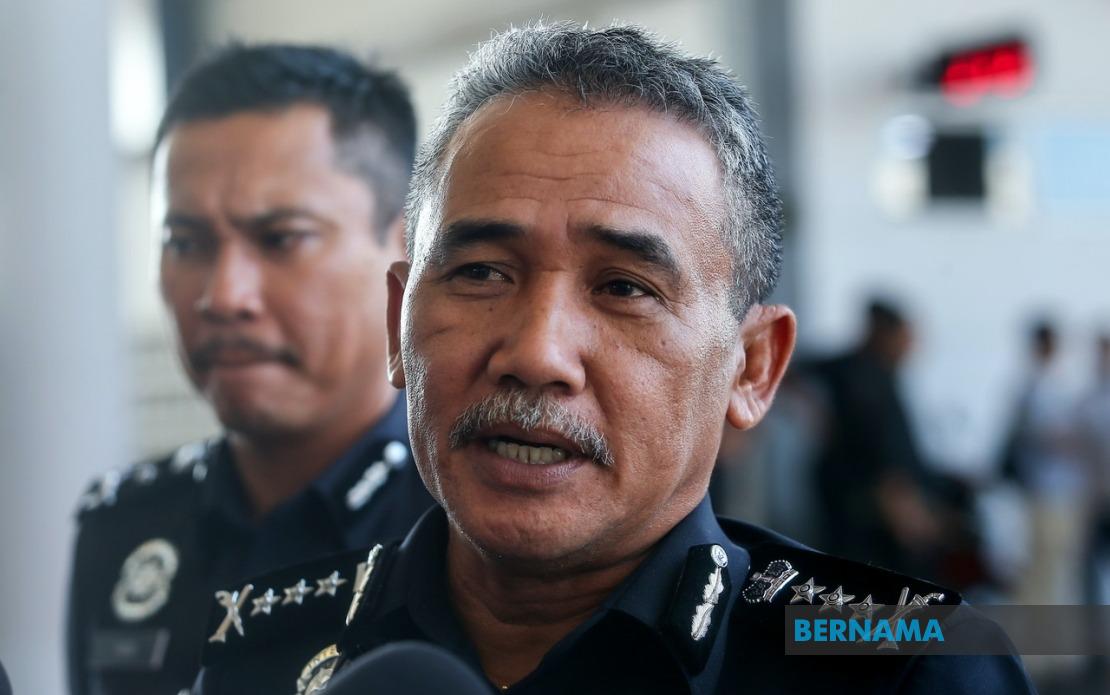
The Kedah Police Contingent has opened 69 disciplinary investigation papers affecting 90 officers and personnel during the opening six months of 2026, according to state police chief Datuk Adzli Abu Shah. This figure encompasses 11 senior police officers, 76 junior officers, and three civil servants employed within the force's Kedah operations. The announcement, made during the monthly assembly at Kedah Police Contingent Headquarters in Alor Setar, provides insight into the force's internal discipline mechanisms and its approach to maintaining professional standards within the state's constabulary.
Compared to the preceding year, when 155 disciplinary papers were filed involving 294 individuals, the current figures represent a notable decline in the overall volume of misconduct cases. The earlier period recorded 39 senior officers, 248 junior officers, and seven civil servants subject to disciplinary proceedings. While a raw decrease in numbers might suggest improved conduct, Adzli's framing suggests the decline reflects progress in preventive measures and more targeted enforcement rather than any relaxation of standards. The composition of cases also shifted, with different patterns emerging across various categories of alleged misconduct.
The offences documented during the first half of 2026 span a diverse spectrum of departmental concerns. Three cases involved syariah crime violations, four centred on commercial crime allegations, seven related to corruption matters, eleven addressed traffic-related infractions, and twenty-four involved drug-related charges. Criminal cases constituted thirty-three of the investigations, while the remaining 142 papers covered miscellaneous disciplinary violations ranging from administrative failures to conduct unbecoming an officer. This distribution underscores the breadth of issues the police leadership must address internally, from serious criminal breaches to procedural lapses affecting public confidence.
Adzli sought to address persistent public misconceptions regarding police internal discipline, emphasizing that the organisation does not shield officers from accountability regardless of rank or tenure. He highlighted that substantiated misconduct results in detention, suspension, or termination of employment for the individuals involved. The police chief's remarks reflect awareness that public confidence in law enforcement depends significantly on demonstrable internal accountability—a challenge faced by police forces across Southeast Asia where concerns about impunity and institutional protectionism occasionally surface in media narratives and civil society discourse.
The distinction between suspension and punishment merits particular attention in Adzli's explanation. He characterised suspension not as a disciplinary sanction itself but rather as a precautionary measure preventing continued misconduct while investigations proceed. In cases involving community-facing crimes such as robbery or extortion by officers, suspension removes the individual from public-facing duties and positions of community access, protecting the public while due process continues. This procedural separation between immediate protective measures and formal discipline addresses a common critique that lengthy investigations delay accountability, though critics might argue such explanations require consistent application to maintain public credibility.
The framework Adzli described reflects international best practices in police discipline, where interim measures protect both the public and the integrity of investigations. By transferring suspended officers to administrative or non-operational roles pending investigation completion, the force maintains their employment status while preventing further harm. However, such mechanisms require transparent communication with both the public and affected communities, particularly when officers implicated in serious crimes continue drawing salaries during protracted investigations—a tension evident in police forces globally and one that Malaysian police must navigate carefully.
Beyond disciplinary matters, Adzli addressed resident concerns about mysterious knocking noises reported in Kota Setar district. While the original source provides minimal detail about this matter, such reports in Malaysian towns sometimes relate to industrial activities, electrical infrastructure issues, or occasional criminal surveillance. The police response of increasing patrols and acknowledging resident concerns demonstrates effort toward community reassurance, though substantive investigation outcomes would require follow-up reporting to establish whether patrols identified causative factors or whether the incidents reflected genuine security threats requiring deeper investigation.
For Malaysian readers, these Kedah figures carry broader implications regarding police accountability infrastructure statewide. The number of investigations, while presented as a positive development compared to prior years, remains substantial enough to suggest persistent organisational challenges. The emphasis on disciplinary action conveys police leadership's commitment to standards, yet the actual outcomes—whether investigations concluded, how many resulted in terminations, and whether patterns indicate structural problems requiring systemic reform—remain somewhat obscure from the limited information provided.
The decline from 155 cases to 69 cases warrants scrutiny regarding causation. Genuine improvement in officer conduct would strengthen public confidence materially, but an actual decrease in investigations might alternatively reflect changing reporting patterns, resource allocation shifts, or evolving documentation practices rather than behavioural change. Establishing credible internal accountability requires not only initiating investigations but also publishing transparent data on case resolution, disciplinary outcomes, and any policy changes implemented in response to identified problems.
From a regional perspective, Southeast Asian police forces increasingly recognise that public legitimacy depends on visible accountability mechanisms. Thailand, Indonesia, and the Philippines have all undertaken police reform initiatives partly addressing discipline and internal affairs capacity. Malaysia's police leadership appears cognisant of these dynamics, with Adzli's deliberate efforts to counter perceptions of institutional protectionism reflecting strategic communications awareness. Nevertheless, sustained confidence requires consistent enforcement of standards across all ranks and transparent reporting of outcomes.
The Kedah Police Contingent's disciplinary activities underscore tension between maintaining internal morale and satisfying public expectations of accountability. Officers facing investigation may perceive scrutiny as excessive, while communities victimised by officer misconduct may view discipline as insufficiently rigorous. Successfully navigating this balance requires consistent application of standards, clear communication about investigation outcomes, and demonstrated consequences proportionate to misconduct severity. Adzli's remarks suggest awareness of these challenges, though translating policy statements into sustained institutional practice remains the essential test of police reform commitment.

