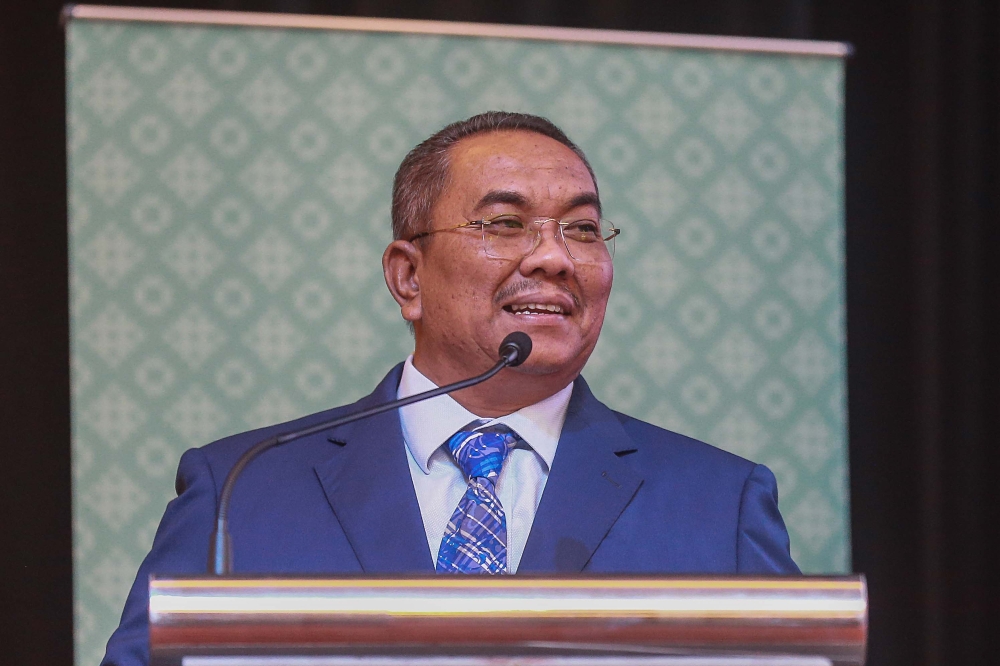
Kedah Menteri Besar Datuk Seri Muhammad Sanusi Md Nor has escalated his confrontation with media and political opponents by warning of imminent legal proceedings and police complaints targeting those who he contends have misrepresented his statements. Speaking in Alor Setar, Sanusi expressed frustration over what he describes as the systematic twisting of his words, suggesting that deliberate distortion of his public comments constitutes defamation and potentially criminal conduct worthy of formal complaint to law enforcement authorities.
The Kedah leader's warning arrives amid a broader pattern of Malaysian political figures employing legal instruments as responses to perceived slights or unfavourable coverage. Sanusi's threat encompasses both civil litigation through the courts and criminal complaints through the police, indicating his determination to hold accountable those who he believes have mischaracterised his positions or statements. This dual-track approach reflects a hardening stance against what he views as bad-faith actors operating within media and political circles.
For Malaysian observers of state politics, Sanusi's position within the Kedah administration has represented a significant shift in governance since his appointment. His willingness to escalate disputes through legal channels demonstrates the intensity of contemporary political competition in the northern state, where competing narratives and interpretations of leadership statements frequently become flashpoints for broader political conflict. The transparency or opacity of Sanusi's actual remarks, versus how they have allegedly been represented, remains a central point of contention.
The phenomenon of political leaders threatening legal action over speech reporting reflects deeper anxieties about media control and narrative construction in Malaysian politics. When senior government officials resort to warnings about lawsuits and police reports, questions emerge about the boundaries between legitimate complaints about misrepresentation and attempts to chill free commentary on political matters. Sanusi's approach suggests a leader convinced that existing institutional mechanisms—whether journalistic accountability or social norms—have proven insufficient for protecting his public image.
Within the Kedah context specifically, Sanusi's aggressive posture may resonate differently among state residents than similar statements from federal leaders would. As a state-level administrator, his authority to implement threats remains subject to judicial review and political constraints. Nevertheless, his willingness to articulate such warnings sends signals about how his administration intends to engage with media institutions and political critics in the coming period. This stance potentially influences how journalists and commentators approach coverage of state government activities.
Regional political observers note that Malaysia's political environment has increasingly featured leaders from various parties invoking legal remedies against perceived media bias or deliberate mischaracterization. Sanusi's threat falls within this established pattern, though the specific context of his grievances—the precise nature of alleged distortions and which outlets or commentators have engaged in them—requires closer examination to assess whether his complaints rest on substantive grounds or reflect general frustration with critical coverage.
The relationship between political speech, media representation, and legal recourse represents an ongoing tension within Malaysian democracy. When elected officials possess both the authority to direct government resources and the power to mobilize state institutions, their threats of legal action carry particular weight that differs from similar statements by private citizens. Sanusi's position as Menteri Besar thus invests his warnings with institutional significance that extends beyond personal grievance into questions about press freedom and political accountability.
Moving forward, the credibility of Sanusi's warnings will depend substantially on whether he actually initiates legal proceedings or police reports, and if so, on the specificity of his complaints and the responsiveness of courts and law enforcement to his allegations. Should he pursue these threats aggressively, the outcomes of such cases will influence broader political communication patterns within Kedah and potentially across Malaysia. Conversely, if the warnings prove largely rhetorical without substantive follow-through, they may diminish their deterrent effect on future critical coverage or commentary.
For the Malaysian media industry and political analysts, Sanusi's stance underscores the importance of maintaining rigorous documentation and verification standards when reporting on political figures' statements. The potential for legal vulnerability when reporting on state leaders should not prevent journalists from their essential monitoring function, yet it does create practical pressures that merit acknowledgment. The challenge remains balancing legitimate criticism and accurate reporting with avoiding deliberately misleading characterizations that might justly invite legal scrutiny.
The broader implications of such confrontational approaches between political leadership and media deserve consideration within Malaysia's governance framework. While all leaders possess legitimate interests in accurate representation, threats of legal action and police involvement can function as tools of intimidation when deployed too readily. Whether Sanusi's warnings reflect genuine concerns about systematic distortion or constitute a strategy for controlling public discourse will become clearer through his subsequent actions and the responses they generate from Kedah's media landscape and civil society.

