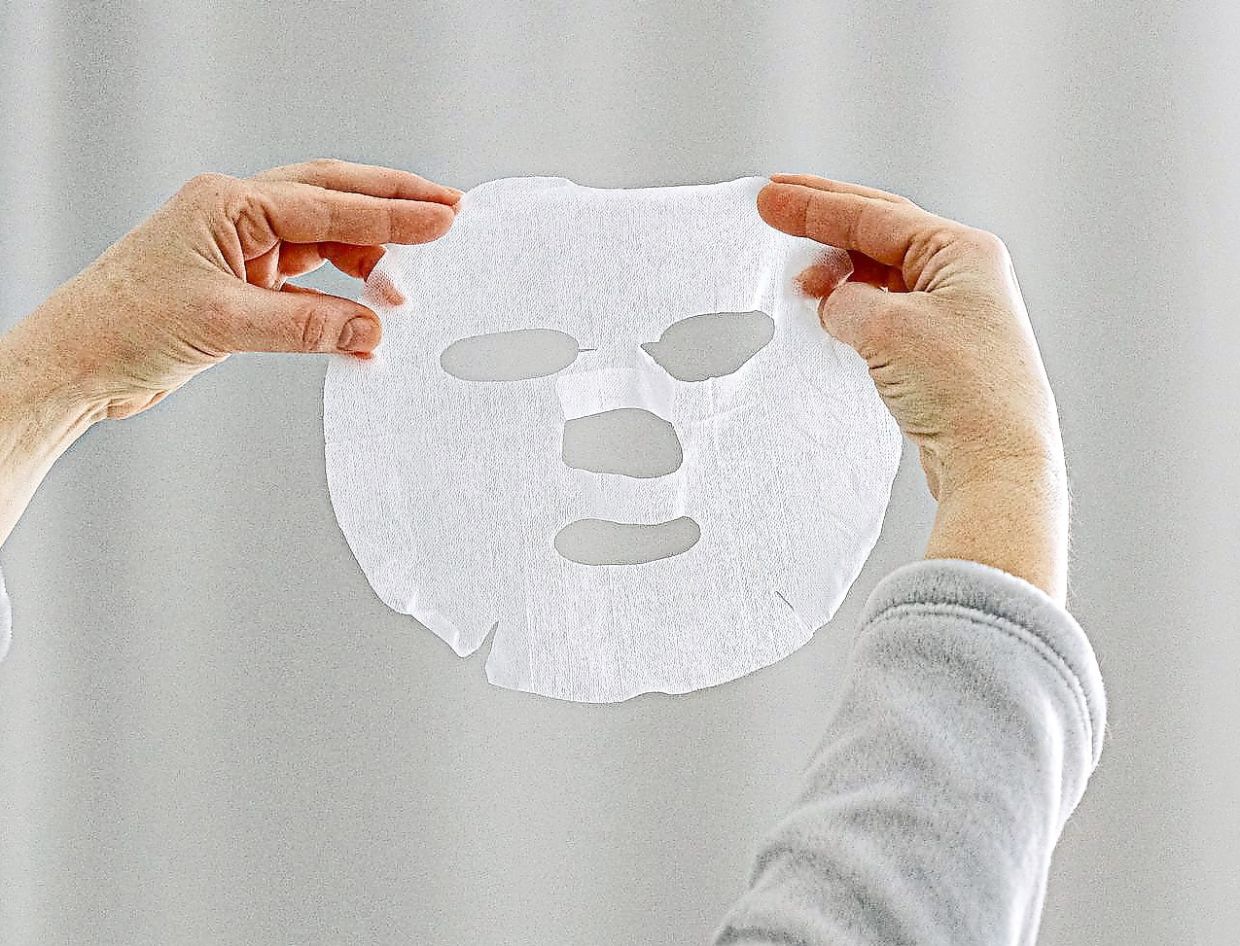
Frequent flyers and holiday-makers heading to regional destinations from Malaysia often encounter a common frustration: their complexion deteriorates dramatically mid-journey. The culprit is the extraordinarily dry environment inside aircraft cabins, which creates conditions far harsher than typical terrestrial settings. Understanding the science behind this phenomenon and adopting appropriate countermeasures can help preserve skin quality throughout travel.
The dramatic difference in humidity levels explains why skin suffers so noticeably during air travel. While normal environments maintain humidity between 40 and 60 percent, aircraft cabins typically operate at only 10 to 20 percent humidity. This drastic reduction triggers transepidermal water loss, where moisture rapidly escapes from the skin's outer layers. The result manifests as tightness, visible dehydration, and a lacklustre complexion that can persist for days after landing. Long-haul flights pose considerably greater risks than short regional hops, making the issue particularly relevant for Malaysian travellers heading to Europe or distant destinations.
Dermatological experts emphasize that successful in-flight skincare requires a three-phase approach: preparation before departure, strategic care during flight, and appropriate recovery afterward. This integrated methodology recognises that skin condition on departure significantly influences how well complexions withstand cabin conditions. Rather than relying solely on products applied thousands of metres above ground, travellers should begin enhancing their skincare regimen days before boarding. This preventative approach establishes a stronger moisture foundation that better resists the drying assault of pressurised cabins.
Pre-flight preparation involves temporarily modifying your regular routine. Dermatologists specifically recommend eliminating active ingredients such as alpha-hydroxy acids, beta-hydroxy acids, and retinol from skincare for 24 to 48 hours before departure. While these compounds deliver valuable exfoliating and anti-ageing benefits in normal circumstances, they heighten skin sensitivity and accelerate moisture loss precisely when your complexion needs maximum protection. Counter-intuitively, individuals with naturally oily skin should prioritise hydration over their usual oil-control strategies during this transition period, as dryness becomes the dominant concern during flight rather than excess sebum production.
The in-flight skincare routine should embrace simplicity over elaboration, despite the popularity of elaborate multi-step regimens circulating on social media platforms. Complicated routines risk overwhelming the skin barrier, potentially triggering sensitivity and congestion at precisely the wrong moment. Instead, dermatologists advocate a streamlined approach: gentle facial cleansing using micellar water applied to cotton pads, followed by application of hydrating serums and moisturisers. This minimalist strategy also addresses practical sanitary concerns inherent to aircraft environments, where exposure to contaminated surfaces and recirculated air demands particular caution.
Selecting appropriate ingredients becomes crucial when space and practicality limit product selection. Humectants—water-attracting compounds that help skin retain moisture—form the cornerstone of effective in-flight skincare. Glycerin and hyaluronic acid represent the most reliable options, both widely available in affordable formulations and proven effective across diverse skin types. Panthenol offers additional moisturising benefits, while emerging ingredients like ectoin provide barrier-supporting properties alongside modest anti-inflammatory effects. Ceramides, frequently discussed in skincare circles, contribute to barrier reinforcement by helping seal moisture within the skin. However, dermatologists stress that almost any moisturiser delivers benefits superior to applying nothing, making accessibility and consistency more important than pursuing hypothetically optimal products.
Sunscreen deserves particular attention for daytime flights, though many travellers overlook this step. Cabin windows filter some ultraviolet radiation, but cumulative exposure during extended flights contributes meaningfully to sun damage. More significantly, the moment travellers exit the aircraft in sunny destination countries, their unprotected skin encounters intense ultraviolet exposure precisely when dehydration has compromised the skin barrier. Applying broad-spectrum sunscreen before disembarking provides crucial protection during this vulnerable transition period.
Hydration extends beyond topical skincare products to encompass systemic fluid intake. Drinking substantial quantities of water throughout the flight addresses dehydration from multiple angles, as aircraft cabins simultaneously reduce both atmospheric humidity and the body's overall hydration status. Conversely, alcohol and salty snacks actively promote dehydration by drawing moisture from skin cells and tissues. These dietary choices during flight compound the environmental stress on complexions, making conscious beverage selection as important as product application.
Makeup application requires thoughtful reconsideration during air travel. While light makeup remains acceptable, substantial makeup layers trap moisture against the skin while simultaneously restricting proper product absorption. This combination creates ideal conditions for congestion and irritation. Similarly, makeup wipes—favoured by many travellers for convenience—actually accelerate transepidermal water loss rather than protect skin, making them counterproductive choices despite their obvious practicality. Micellar water on cotton pads offers superior results without aggravating dryness.
The post-flight phase demands equal attention to pre-flight and in-flight care. Immediately after landing, continuing hydration through both topical application and fluid intake helps repair damage accumulated during flight. Dermatologists recommend avoiding new active ingredients or aggressive treatments for at least 24 hours after arrival, allowing the skin barrier sufficient time to recover and normalise. This recovery period establishes a foundation for resuming standard skincare routines with confidence that the skin has adequately restored its protective capabilities.
For Malaysian travellers frequently crossing multiple climate zones and time zones simultaneously, implementing these strategies becomes particularly valuable. Regional routes to Singapore or Thailand involve shorter flights where complications remain modest, while intercontinental journeys to Europe or Australia pose substantially greater challenges. Understanding individual skin requirements and adjusting the suggested framework accordingly ensures that complex skincare routines become unnecessary while still maintaining dermatological best practices throughout travel.

