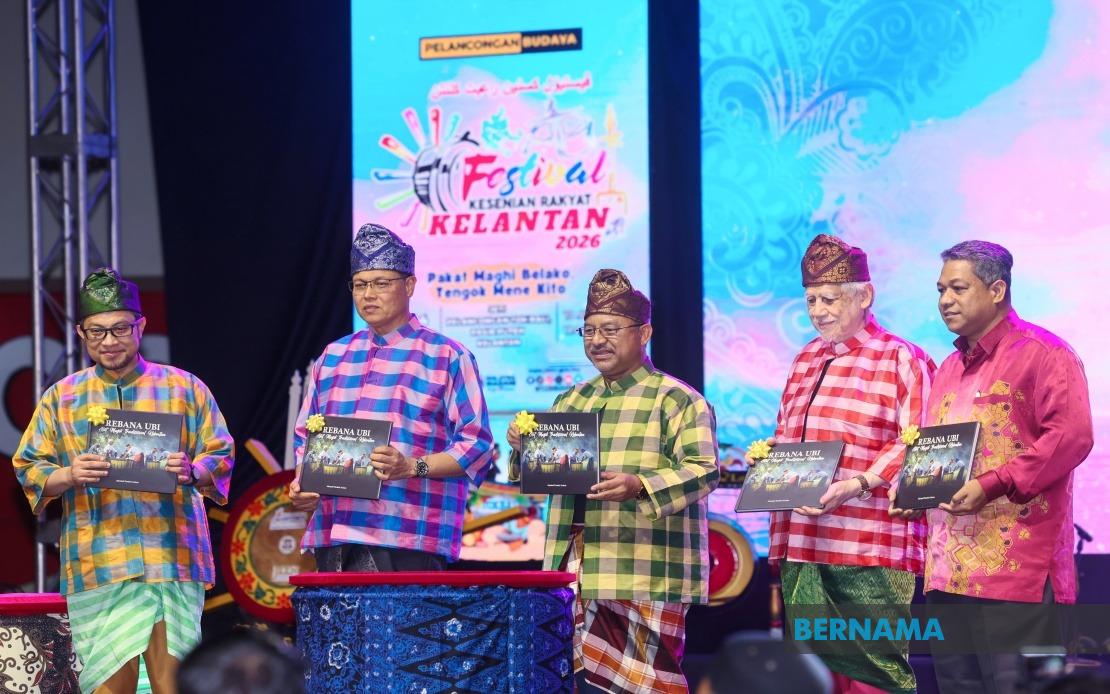
The Kelantan Arts Festival (FKRK) 2026, which ran from July 1 to 4 at Tok Bali Tourism Jetty in Pasir Puteh, demonstrated how cultural programming can serve as a vehicle for strengthening national unity while honouring regional traditions. Organised by the Ministry of Tourism, Arts and Culture (MOTAC) through the National Department for Culture and Arts (JKKN), the four-day event brought together performers, artisans, and communities to celebrate the distinctive heritage that defines Kelantan's identity within Malaysia's broader cultural tapestry.
The festival's centrepiece was the 'Titih Bonda Pusaka Ayahanda' special performance, which consciously wove together multi-racial percussion elements alongside Kelantan's time-honoured artistic traditions. This programming choice reflected an intentional strategy to frame cultural celebration as an expression of the Malaysia MADANI concept, which emphasises unity, prosperity, and cultural respect across the nation's diverse populations. By positioning traditional arts within a framework of interethnic harmony rather than isolated regional practice, the festival signalled how Malaysia's heritage sectors can contribute to broader national cohesion objectives.
The calibre of artistic talent assembled for the event underscored Kelantan's continued significance as a repository of Malaysian performing arts. Roy Kapilla, Amy Search, Datuk Dr Lim Swee Tin, Paksu Agil, Megat Haikal, Zamry Gerak Khas, and Joe Rajuna represented established figures whose presence lent credibility and drawing power to the programme. Alongside these individually acclaimed performers, the festival featured ensemble groups including the Dikir Barat Kala Mahajara ensemble and the Mak Yong Kijang Mas troupe, ensuring that both individual virtuosity and collective traditional practice received prominence. This mix of solo artists and organised troupes reflected the ecosystem of Kelantan's arts scene, where professional performers and community-based cultural carriers coexist.
Beyond the headline performances, FKRK 2026 prioritised participatory engagement through a structured programme of competitions and hands-on activities. A traditional dance competition for children provided a pathway for younger generations to connect with their cultural inheritance, addressing concerns about intergenerational transmission of arts practices in an increasingly urbanised and digitally mediated society. The Mek and Awe Comey competition, structured as a traditional costume fashion showcase, reframed heritage dress as a living aesthetic practice rather than museum artefact. Meanwhile, the ADABI cooking competition celebrated Kelantan's culinary traditions, acknowledging that food constitutes a fundamental expression of cultural identity accessible to broader audiences than formal performance arts.
The festival extended beyond entertainment and competition into broader cultural commerce and education. Craft product sales provided an economic dimension to cultural preservation, creating market incentives for artisans to continue traditional production techniques. Exhibitions by government agencies and non-governmental organisations offered informational and advocacy opportunities, connecting cultural heritage with contemporary social and development programming. Demonstrations of folk sports complemented the artistic focus, reflecting an understanding that cultural identity encompasses physical practices and recreational traditions alongside performing and visual arts.
A community feast emerged as perhaps the festival's most symbolically potent element, transforming cultural celebration into collective consumption and shared experience. In Malaysian context, communal eating functions simultaneously as cultural expression, social bonding mechanism, and practical logistics of large-scale public events. The inclusion of decorated elements within the feast setting indicates deliberate aestheticisation of the dining experience, further integrating food, decoration, and conviviality into an overarching cultural statement.
The event's institutional architecture revealed how cultural promotion operates within Malaysia's governance framework. MOTAC's role as lead organiser positioned the festival within national cultural policy, while JKKN's involvement represented the technical expertise and programme management capacity of the dedicated cultural affairs apparatus. Collaboration with the Kelantan state government ensured regional political alignment and resource contribution, while partnerships with the Pasir Puteh Land and District Office and District Council embedded the festival within local administrative structures. This multi-layered institutional involvement reflected the reality that sustained cultural programming requires coordination across multiple bureaucratic levels.
The opening ceremony's attendance by Kelantan Menteri Besar Datuk Mohd Nassuruddin Daud, State Tourism, Culture, Arts and Heritage Committee chairman Datuk Kamarudin Md Nor, and JKKN director-general Mohd Amran Mohd Haris underscored the event's status as a government-priority initiative rather than peripheral cultural activity. Such high-level attendance signals political commitment to arts funding and programming, a particularly significant message during periods when cultural spending sometimes faces pressure from competing budgetary demands.
For Malaysian readers and Southeast Asian observers, FKRK 2026 illustrated how established arts traditions can anchor contemporary national identity narratives. Kelantan's distinctive cultural forms—mak yong theatrical performance, dikir barat vocal traditions, and intricate craft practices—represent irreplaceable expressions of Malaysian heritage. By investing in large-scale public festivals that showcase these traditions while deliberately framing them within broader unity messaging, the government positioned cultural preservation as integral to national cohesion rather than nostalgic antiquarianism.
The festival also demonstrated how tourism and cultural objectives increasingly overlap in Malaysian programming. Held at a tourism jetty and marketed as a destination event, FKRK 2026 reflected the contemporary reality that cultural festivals serve multiple simultaneous functions: preserving artistic traditions, generating economic activity through visitor expenditure, strengthening regional tourism profiles, and reinforcing political narratives around unity and cultural pride. This multi-functionality suggests that the future of Malaysian cultural preservation may increasingly depend on events' ability to satisfy cultural, economic, and political objectives simultaneously.
As Southeast Asia confronts questions about heritage preservation amid rapid modernisation, Kelantan's arts festival model offers a replicable framework. By combining professional performance, community participation, artisan commerce, political endorsement, and explicit unity messaging, the event created multiple entry points for different audiences and stakeholders. Whether this model effectively ensures intergenerational transmission of artistic skills or merely provides periodic celebration of traditions remains an open question requiring longitudinal assessment of participant outcomes and artistic practice evolution in Kelantan's communities.

