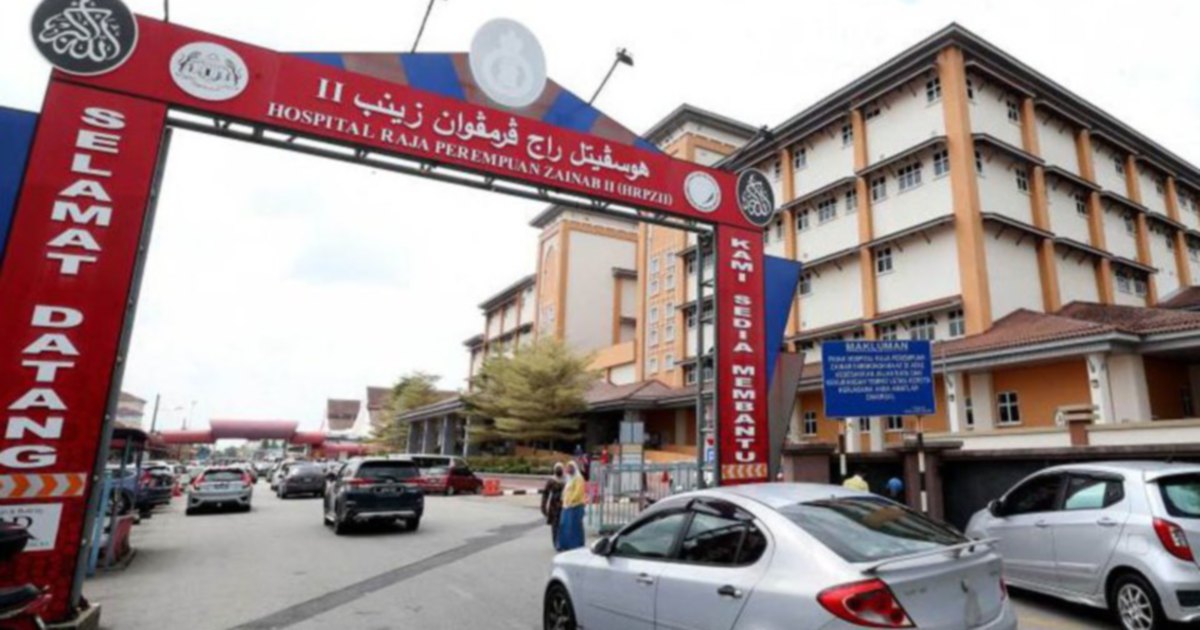
The Kelantan Health Department has initiated continuous monitoring of a female newborn at Raja Perempuan Zainab II Hospital who registered positive results for amphetamines and benzodiazepines during routine urinalysis screening at the facility's Neonatal Intensive Care Unit on August 6. The case highlights emerging concerns surrounding maternal substance use during pregnancy and its potential consequences for vulnerable infants requiring specialised neonatal care.
The detection of controlled substances in the newborn's urine suggests intrauterine exposure during gestation, raising complex medical and social welfare considerations. Amphetamines and benzodiazepines—the latter typically prescribed as anxiety or seizure medications—can cross the placental barrier, potentially affecting fetal development and postnatal adaptation. The presence of both drug categories in a newborn's system necessitates extended clinical observation to assess withdrawal symptoms, feeding difficulties, developmental responses, and other complications that may emerge during the critical early weeks of life.
Raja Perempuan Zainab II Hospital, serving as Kelantan's primary maternal and child health facility, is equipped with a dedicated Neonatal Intensive Care Unit staffed to manage such high-risk cases. The hospital's protocols for identifying and documenting neonatal drug exposure align with national guidelines developed by the Ministry of Health to ensure standardised care pathways across regional healthcare networks. The case underscores the importance of routine screening programmes in detecting substances that might otherwise go unidentified without systematic laboratory testing.
Maternal substance misuse during pregnancy remains an under-recognised public health issue across Malaysia, often compounded by stigma and limited awareness of available treatment options. Expectant mothers struggling with drug dependency face formidable barriers accessing rehabilitation services, from fear of legal consequences to inadequate counselling resources integrated within antenatal care settings. This newborn's situation exemplifies how untreated maternal addiction directly translates into medical complications for infants who bear no responsibility for exposure yet must manage its physical manifestations.
The health department's decision to maintain active oversight reflects standard clinical practice when neonatal drug exposure is documented. Medical teams typically monitor vital signs, weight gain, feeding patterns, and neurological development whilst remaining alert for withdrawal phenomena such as tremors, irritability, or abnormal sleep cycles. Some affected infants require pharmacological support to manage acute withdrawal symptoms, whilst others may need extended hospitalisation to ensure stable development before discharge to home or alternative care arrangements.
Beyond the immediate medical dimension, this case carries significant implications for child protection and family social services. Neonatal drug testing results typically trigger mandatory reporting to relevant authorities, initiating investigations into circumstances of maternal substance use and the safety of the home environment. Kelantan's Social Welfare Department and child protection agencies would likely coordinate with health authorities to assess the newborn's welfare prospects, determine whether the mother requires intervention support, and establish whether additional siblings in the household face similar exposure risks.
The detection pathway through routine hospital screening demonstrates how institutional capacity for identifying at-risk populations depends on sustained laboratory capability and staff training. Not all state health facilities maintain equivalent technological infrastructure or neonatal testing protocols, creating potential disparities in how drug-exposed newborns are identified and managed across Malaysia. Standardising neonatal screening practices nationwide would improve identification rates and ensure equitable access to necessary monitoring and therapeutic interventions regardless of delivery location.
Maternal substance use disorders remain substantially under-treated in Malaysia due to limited specialised rehabilitation facilities integrated within obstetric care networks. Pregnant women addicted to amphetamines or benzodiazepines often delay seeking antenatal care, creating missed opportunities for early intervention, detoxification under medical supervision, and harm reduction strategies that might mitigate neonatal exposure. Enhanced integration of addiction medicine expertise within maternity services could substantially improve outcomes for both mothers and their infants.
The Kelantan case also reflects broader Southeast Asian patterns of stimulant misuse, where methamphetamine prevalence has risen dramatically across the region. Treatment demand data from rehabilitation centres consistently highlight amphetamine-class drugs as primary substances driving admissions, with vulnerable populations including pregnant women and young mothers experiencing particular challenges accessing gender-sensitive, pregnancy-informed treatment modalities.
Moving forward, this situation underscores the necessity for improved linkages between hospital-based neonatal services, community health workers, and addiction treatment providers. Early identification of at-risk pregnancies through enhanced screening, coupled with accessible, non-punitive treatment options, could reduce the incidence of preventable neonatal drug exposure. Professional training programmes must equip midwives and maternal health staff with competencies to recognise substance use disorders and facilitate referrals to supportive resources rather than reinforcing cycles of concealment and delayed care.
For Kelantan specifically, the case represents an opportunity to audit existing protocols governing neonatal screening, maternal substance abuse detection, and inter-agency coordination between health, social welfare, and child protection systems. Strengthening these foundations would position the state to identify vulnerable populations earlier and implement comprehensive family-centred interventions addressing root causes of maternal addiction whilst safeguarding infant welfare.

