The Kelantan Sports Council has embarked on an integrated support programme designed to nurture athletes who aspire to balance competitive sport with tertiary education. Working alongside Yayasan Kelantan Darulnaim (YAKIN), the initiative aims to remove financial barriers that might otherwise force talented sports performers to choose between their athletic pursuits and academic advancement. This coordinated approach reflects a growing recognition across Malaysia that elite athletes require multifaceted support systems extending well beyond training facilities and coaching expertise.
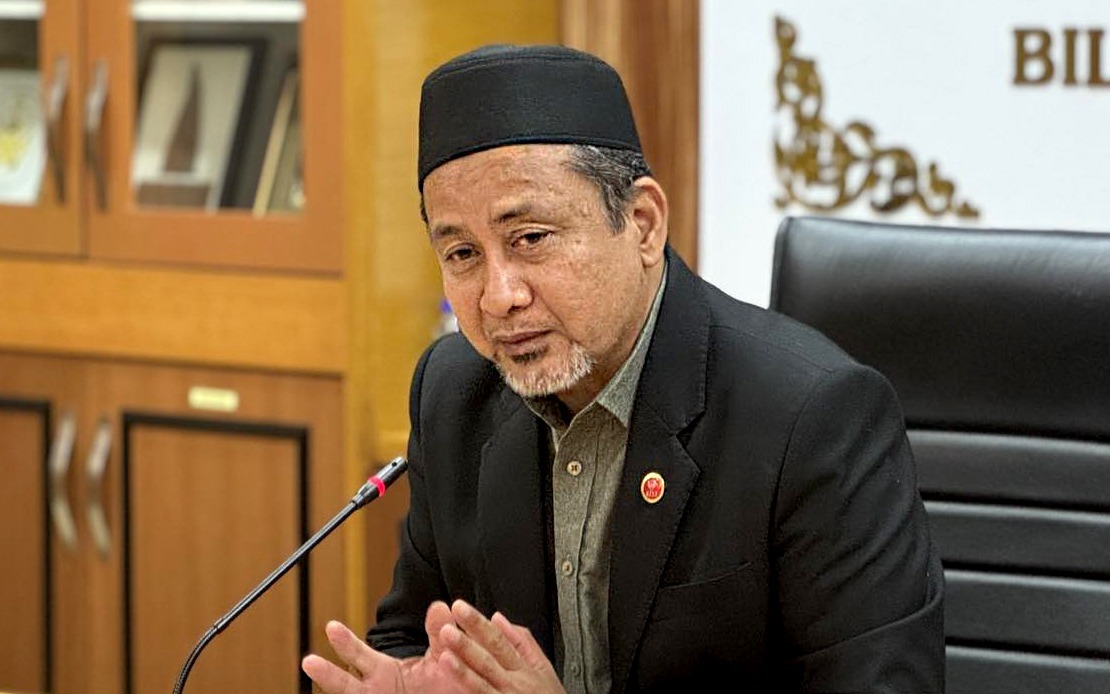
Zamakhshari Muhamad, chairman of the Kelantan State Youth, Sports, NGOs and Community Unity Committee, outlined the rationale during recent discussions with media representatives in Kota Bharu. He emphasized that the state government views educational progression as equally vital to sporting excellence within its athlete development framework. By securing financing through YAKIN's loan and scholarship mechanisms, eligible athletes can now enrol at public universities without experiencing the financial strain that has historically deterred many from pursuing degrees alongside their sporting careers. This dual-pathway approach acknowledges that most athletes face uncertain long-term prospects in sport and require qualifications that enable successful career transitions.
The scholarship and loan programme specifically targets high-achieving secondary school athletes who demonstrate both sporting prowess and academic capability. Athletes who attain outstanding results in the Sijil Pelajaran Malaysia (SPM) examination or progress to Sijil Tinggi Persekolahan Malaysia (STPM) level become eligible for academic excellence incentives. This merit-based structure ensures that resources flow toward individuals demonstrating commitment across multiple domains, rather than rewarding athletic ability in isolation. The partnership with YAKIN provides institutional credibility and financial capacity that individual sports councils might lack, establishing a sustainable mechanism for long-term support rather than ad-hoc assistance.
Beyond the education financing scheme, Kelantan's sports authority operates an extensive support ecosystem through its Special Programme. Athletes selected for the Imtiyaz programme receive monthly allowances that offset living and training expenses, addressing one of the primary barriers preventing talented individuals from lower-income backgrounds from pursuing sporting excellence. The council additionally furnishes funding to enable participation in both domestic competitions and international tournaments, recognizing that exposure to higher-level competition drives performance improvement and raises athlete profiles. Access to quality sports equipment and specialized nutritional supplements represents another crucial intervention, as many athletes from regional areas might otherwise lack resources for competition-grade materials.
The comprehensive welfare framework extends protections that acknowledge athletes face vulnerabilities beyond training environments. State support activates during natural disasters, personal accidents, marriage transitions, and bereavement circumstances. This socially-conscious approach reflects an understanding that athletes' overall wellbeing and stability directly influence their competitive performance and long-term life outcomes. By providing financial assistance during adversity, the programme reduces stress and enables continued focus on both sporting and educational objectives during potentially destabilizing periods.
Coordination across multiple stakeholder organizations strengthens programme effectiveness and reach. The initiative brings together the National Sports Council at federal level, Kelantan's state education and youth and sports departments, and both public and private higher education institutions. This multi-layered engagement ensures athletes encounter aligned policies and complementary support across different sectors. Private universities' inclusion broadens options for athletes whose academic or sporting profiles might not suit public institution entrance requirements, providing flexibility within the overall framework.
For Malaysian sports development more broadly, Kelantan's initiative offers a replicable model addressing a persistent challenge. Many Southeast Asian nations struggle to retain talented athletes beyond their competitive years, resulting in lost human capital and unfulfilled potential. By institutionalizing education support within sports development programmes, Kelantan demonstrates how state sports councils can protect athlete welfare while simultaneously investing in human resource development. The approach also acknowledges Malaysia's acute need for tertiary-educated workforce development, positioning athlete support as contributing to broader national education objectives rather than merely athletic competition.
Zamakhshari expressed confidence that the integrated support infrastructure would inspire Kelantan athletes to pursue excellence across sporting, educational, and personal development dimensions simultaneously. The framing suggests recognition that championship athletes require comprehensive life management support rather than narrowly-focused sporting provisions. Athletes who successfully navigate university studies while maintaining competitive performance gain not only academic credentials but also demonstrate discipline, time management, and resilience that enhance professional prospects across sectors beyond sport.
The timing of this initiative reflects contemporary shifts in how Malaysian states conceptualize athlete development. Historically, support concentrated primarily on training, competition costs, and performance-related incentives. Current approaches increasingly recognize that sustainable athlete prosperity requires educational foundations and welfare safeguards. Kelantan's partnership with YAKIN exemplifies how philanthropic foundations can complement government resources to create more comprehensive support ecosystems than state budgets alone permit. This collaborative model may increasingly characterize athlete development across Malaysian states as competition intensifies for identifying and nurturing talent.
Implementation success will likely depend on effective communication reaching potential beneficiaries, particularly in secondary schools and sports clubs throughout Kelantan. Athletes and parents must understand eligibility criteria, application processes, and available benefits to fully utilize the programme. The council's ability to coordinate between educational institutions and sports development bodies will prove crucial, requiring administrative systems that track athlete progress across both domains. Measuring outcomes will also inform future refinements, with particular attention to whether supported athletes complete university degrees and achieve both sporting and career success.
For athletes in other Malaysian states, Kelantan's model provides a benchmark for advocating similar provisions within their regional frameworks. The programme demonstrates feasibility of combining athletic and educational support without creating unsustainable fiscal obligations, particularly when leveraging foundation partnerships. As Malaysia competes regionally and globally for athletic excellence, comprehensive athlete support systems that protect both immediate sporting interests and long-term life prospects will likely become increasingly standard expectations rather than exceptional provisions.

