The Kelantan government has identified five critical areas demanding immediate intervention for approximately 1,524 Orang Asli residents living in the Pasik Resettlement Scheme (RPS) and Kampung Kuala Wok, following recent visits to these geographically isolated communities near Gua Musang. Nenggiri Assemblyman Mohd Azmawi Fikri Abdul Ghani outlined the priority needs during a media briefing, signalling the state's recognition of longstanding infrastructure and safety challenges facing these remote settlements.
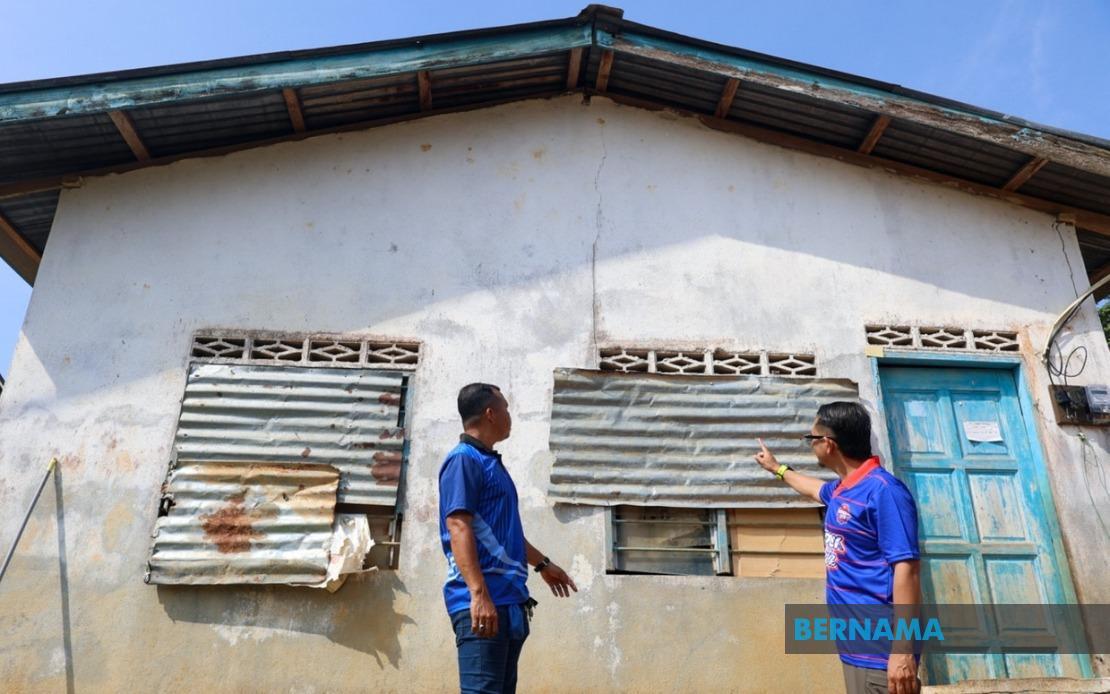
Housing conditions emerged as the most pressing concern, with widespread deterioration affecting multiple dwellings across both locations. Many structures require substantial remedial work encompassing roof restoration, foundational repairs, and electrical system upgrades to eliminate safety hazards. Beyond immediate repairs, residents have articulated a growing demand for new housing construction to accommodate demographic changes, particularly young couples establishing independent households. Mohd Azmawi Fikri indicated that the state intends to engage with the Department of Orang Asli Development (JAKOA) to explore potential funding mechanisms and construction programmes for additional residential units, though no timeline or financial commitments were announced.
The escalating threat from wild elephants represents an equally urgent challenge that has intensified since 2022, fundamentally altering the daily existence of community members. These animals regularly encroach on settlements, destroying crops, damaging property, and creating genuine safety hazards for residents including children and elderly populations. The persistent nature of these incidents has created a climate of anxiety and necessitated modifications to normal agricultural and movement patterns. Wildlife mitigation strategies remain underdeveloped, reflecting broader challenges in balancing conservation objectives with the subsistence needs of vulnerable indigenous populations in Peninsular Malaysia.
Electricity supply deficiencies continue to constrain development opportunities and quality of life in both settlements. Reliable power access remains inconsistent, limiting educational opportunities for children, restricting productive activities, and constraining access to modern conveniences that residents in more developed areas take for granted. The government's recognition of this need suggests potential exploration of renewable energy solutions or grid extension projects, though implementation details remain unclear.
The Essential Goods Distribution Programme and Jualan Rahmah initiative represent government efforts to stabilise prices and ensure affordability of basic necessities in remote communities. Residents have specifically requested inclusion of RON95 petrol within these subsidy schemes, reflecting the critical importance of fuel access given their geographic isolation. With the nearest commercial petrol station situated approximately 50 kilometres distant, residents currently face substantial transportation costs and time expenditures when acquiring fuel. Adding RON95 to the subsidy basket would directly reduce household expenses and improve economic viability for those engaged in small-scale trading or transport services.
Geographic isolation represents the fundamental constraint underpinning most challenges facing these communities. Access to RPS Pasik and Kampung Kuala Wok requires four-wheel-drive vehicles capable of navigating poor-quality roads over a round-trip distance of approximately 200 kilometres from Gua Musang. This extreme remoteness imposes substantial friction costs on residents attempting to access employment, education, medical services, and commercial opportunities in town centres. The difficult terrain and distance also complicate government service delivery, necessitating expensive expeditions for basic administrative functions that urban residents accomplish through routine visits.
The identification of these five priority areas reflects broader structural disparities between Orang Asli settlements and mainstream Malaysian development patterns. Indigenous communities in remote locations frequently experience compounded disadvantages stemming from historical marginalisation, limited infrastructure investment, and incomplete integration into national economic systems. Kelantan's explicit acknowledgement of these needs signals political will to address longstanding grievances, though translating identification into concrete resource allocation and implementation remains the critical challenge.
For Malaysian policymakers, these case studies demonstrate how geographic remoteness, combined with limited economic opportunities and inadequate basic services, creates vulnerability among indigenous populations. The persistence of elephant conflicts, inadequate housing, and supply chain inefficiencies in 2024 indicates that previous development interventions have proven insufficient. The government's consideration of programme modifications, such as expanding petrol subsidies to remote areas, suggests willingness to experiment with targeted policy adjustments addressing specific regional circumstances.
The broader implication extends to Southeast Asia's indigenous populations, many of whom inhabit ecologically sensitive zones in peripheral regions. Malaysia's approach to balancing conservation, resource allocation, and indigenous welfare represents a microcosm of regional challenges. As Southeast Asian nations pursue sustainable development objectives, the experience of communities like those in Pasik RPS and Kampung Kuala Wok illustrates the necessity of integrating indigenous perspectives into environmental and development planning. Without deliberate efforts to address the material conditions facing these populations, gaps between policy rhetoric and lived reality will continue expanding, potentially fuelling social tensions and environmental degradation.

