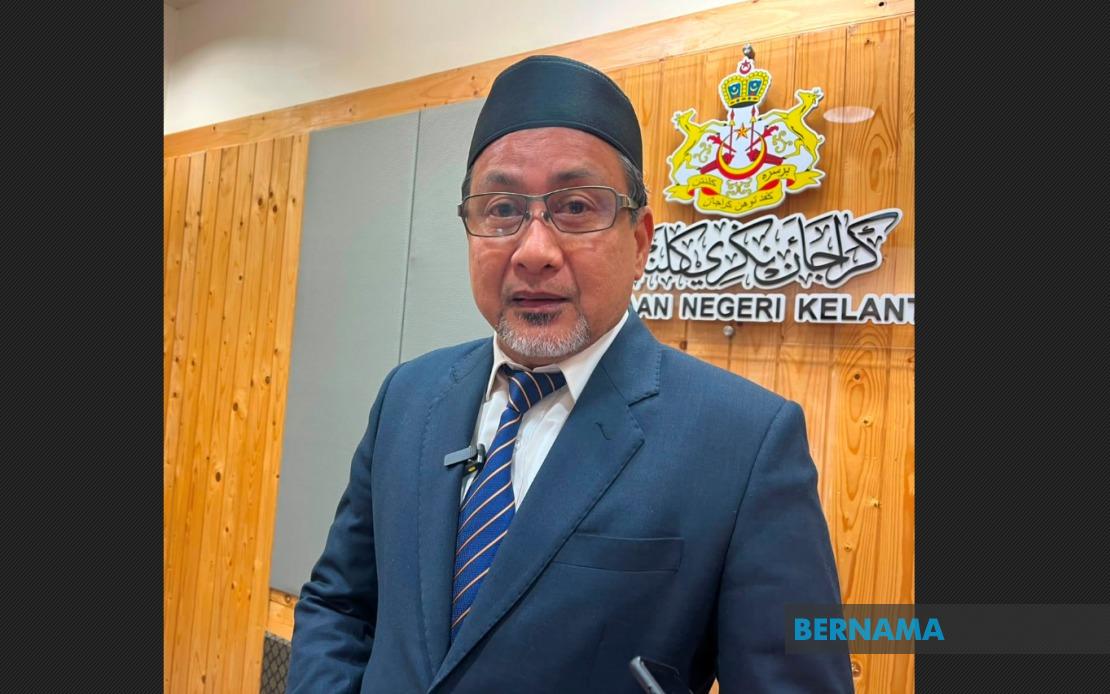
The Kelantan State Assembly has implemented a mandatory safety protocol requiring the immediate cessation of all Elite League matches whenever dangerous weather conditions, particularly thunderstorms and heavy rainfall, threaten the tournament. Zamakshari Muhamad, the state's Youth, Sports, Non-Governmental Organisations and Community Unity Committee chairman, announced the directive following a state executive council meeting at the Kota Darulnaim Complex in Kota Bharu, emphasising that safeguarding participants remains the administration's foremost concern.
The decision comes in direct response to a tragic incident that occurred across the border in Narathiwat province, Thailand. During a Golok FA Cup match held at Santiphap Stadium in Sungai Golok, a player from a Thai football club was fatally struck by lightning, while a Malaysian participant sustained injuries from the same incident. The incident, which garnered significant media attention, underscores the genuine hazards posed by extreme weather to athletes and spectators in outdoor sporting venues throughout Southeast Asia.
Zamakshari articulated the state government's position with clarity, stating that the protection of players and all individuals participating in or attending matches constitutes the administration's primary obligation. The directive mandates that match officials and organisers must cease play immediately upon the emergence of severe thunderstorms, rather than attempting to continue or suspend temporarily. This blanket approach eliminates ambiguity and ensures swift protective action without requiring real-time risk assessment that could prove inadequate during genuinely dangerous conditions.
The Thailand incident illustrates a broader vulnerability affecting outdoor sporting events across the region. Lightning strikes during monsoon seasons and afternoon thunderstorms represent a genuine occupational hazard for athletes in Southeast Asia, where tropical weather patterns produce frequent and intense electrical storms. The fatality and injury in Narathiwat demonstrate that administrative oversight of weather safety protocols remains inconsistent across the region, making proactive intervention by state governments increasingly necessary.
Beyond the weather suspension mandate, Kelantan's government has simultaneously tightened controls over the use of the state's name in organisational contexts. Any programme, competition, or event organised by non-governmental organisations or private entities that incorporates "Kelantan" in its title now requires prior state government approval. This regulatory shift reflects growing concern about reputational damage and public confusion arising from unauthorised use of the state's identity.
The impetus for this naming restriction stems from a recent controversy involving the Kelantan International Marathon, which triggered substantial social media backlash when organisers allegedly collected participation fees before cancelling the event whilst maintaining no formal affiliation with state authorities. The situation exemplifies how private entities have exploited the Kelantan brand to establish apparent legitimacy without actual government involvement, leaving participants financially disadvantaged and the state government's reputation compromised.
The dual regulatory approach reflects an administration attempting to address both immediate safety concerns and reputational management simultaneously. By implementing weather suspension protocols, Kelantan demonstrates responsiveness to foreseeable hazards highlighted by transnational incidents. By controlling use of the state brand, officials seek to prevent future instances of public deception and financial exploitation that undermine public trust in sporting institutions.
For Malaysian sports organisations and event planners operating in Kelantan, the weather suspension protocol establishes clear operational expectations that align with international best practices for managing outdoor athletic events. The approval requirement for using "Kelantan" in programme titles, meanwhile, necessitates advance coordination with state authorities and potentially offers organisers legitimate government endorsement, provided they meet approval criteria.
The regulation of brand usage particularly benefits legitimate sporting organisations and genuinely government-affiliated events, which can now establish clear differentiation from unauthorised operators. Conversely, private entities and NGOs must navigate bureaucratic approval processes, which could either enhance accountability or create barriers to entry depending on how implementation proceeds.
These measures carry implications extending beyond Kelantan's borders. Other Malaysian states may observe whether Kelantan's approach successfully prevents weather-related incidents and reputational damage from misappropriated branding. The initiatives could establish precedent for similar regulatory frameworks elsewhere in Malaysia, particularly in states with substantial sporting calendars or history of brand-related controversies.
The weather suspension directive aligns Kelantan with international sporting best practices that increasingly prioritise participant safety over fixture schedules. Major international football bodies and weather monitoring agencies have strengthened protocols for suspending play during lightning risk, reflecting accumulating evidence about electrical storm hazards.
Implementation effectiveness will depend on consistent enforcement and clear communication to match officials, organisers, and participants regarding weather thresholds triggering automatic suspensions. Training officials to make real-time weather assessments and establishing coordination with meteorological services could enhance decision-making accuracy.
The convergence of these regulatory measures illustrates a state government attempting to address interconnected governance challenges: athlete safety, event quality control, and brand protection. Success will require sustained implementation, feedback mechanisms to refine procedures, and potential coordination with neighbouring jurisdictions facing similar weather patterns and sporting management challenges.

