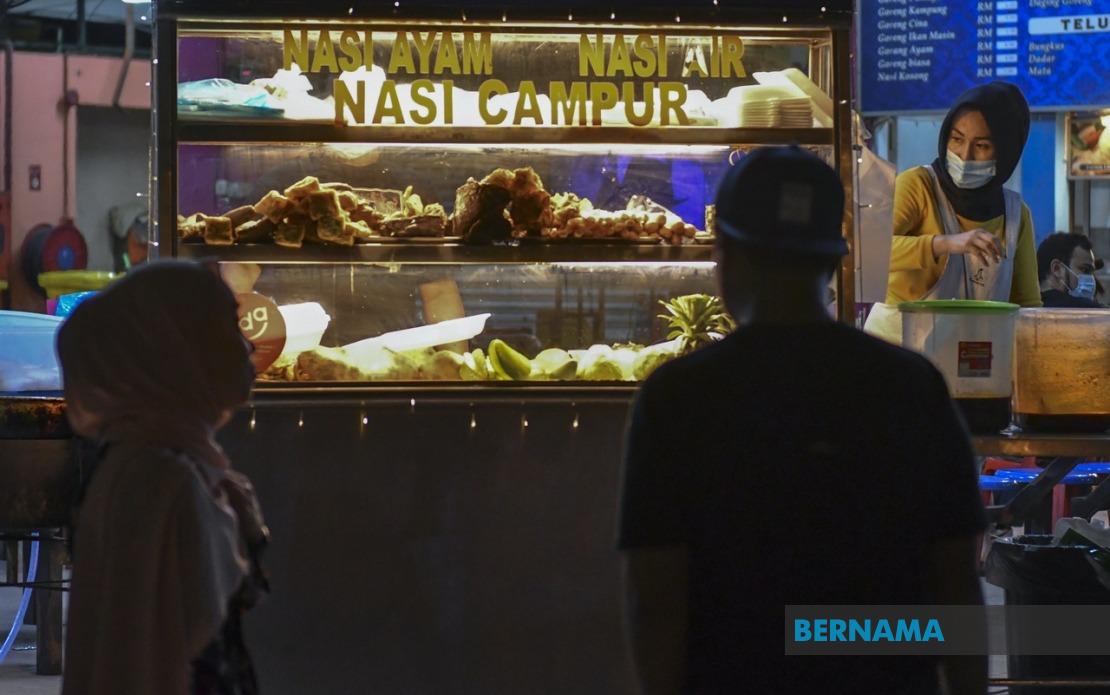
The Kelantan state government has committed to ramping up regulatory oversight of food businesses in response to growing public concerns about whether some establishments are properly adhering to halal standards. The decision follows a wave of online discussion centring on allegations that certain food premises operated by non-Muslim proprietors may not be meeting the stringent shariah requirements expected by Muslim diners. Although formal complaints have not yet been lodged with state authorities, the emergence of these claims on social media has prompted officials to take a more proactive enforcement approach across the sector.
Mohd Asri Mat Daud, who chairs the Kelantan State Islamic Development, Dakwah, Information and Regional Relations Committee, outlined the government's response during remarks made in Kota Bharu. He indicated that preliminary enquiries are underway to gather substantive evidence about the allegations and to determine what corrective measures may be needed. The approach reflects official concern that unverified claims could damage public confidence in the halal integrity of the food industry if left unaddressed, even as authorities work methodically through established investigative channels rather than reacting hastily to social media campaigns.
Responsibility for enforcing halal compliance in Kelantan rests formally with the state's Islamic Religious Affairs Department, and Mohd Asri explained that his office will work closely with that agency to coordinate any fact-finding efforts and subsequent action. This division of labour underscores how enforcement of religious dietary standards in Malaysia involves multiple government bodies working in tandem. The liaison arrangement also signals that state leadership views halal maintenance as a matter of sufficient importance to warrant inter-departmental coordination at the highest levels.
The potential for increased inspections represents a meaningful shift in regulatory tempo. Mohd Asri stated that should investigations confirm breaches of halal protocols, the frequency of monitoring visits to affected premises would increase substantially. This escalation reflects official anxiety that permitting such lapses to continue unchecked could allow non-compliant practices to proliferate across Kelantan's food service sector. The implicit threat of heightened scrutiny is clearly intended to motivate proprietors to ensure their operations meet required standards without requiring lengthy investigation processes.
Kelantan officials simultaneously underscored the importance of business ethics in the halal sector. Proprietors were reminded that the pursuit of profit margins cannot justify cutting corners on shariah observance, as such shortcuts ultimately erode the trust that Muslim consumers place in the halal certification system. This messaging reflects a broader recognition across Malaysia's Islamic governance apparatus that the credibility of halal assurance depends on consistent adherence to prescribed standards by all operators, regardless of their personal religious background.
Public vigilance is being encouraged as a complementary safeguard. State authorities appealed to Malaysian consumers to remain attentive to the halal status of premises they patronise, suggesting that informed consumer choice serves as a market-based incentive for compliance. This strategy delegates some responsibility for monitoring to end users themselves, recognising that social awareness and consumer preference can often prove more effective than government inspections alone in shaping business behaviour.
To address certification gaps, the Kelantan government is actively promoting Malaysia's formal Halal Certification programme among food operators. Officials indicated that the administration aims to process certification applications within thirty days of submission, contingent on applicants meeting prerequisite conditions and demonstrating compliance with established guidelines. This streamlined timeline is designed to remove administrative friction as a barrier to certification, making it easier for conscientious operators to obtain official credentials that publicly attest to their halal standing.
The underlying issue that triggered the enforcement review emerged when a social media user published information questioning the halal status of multiple food premises in the state. Several of these establishments were identified as being operated by non-Muslim owners but serving predominantly Muslim clientele, a configuration that itself is entirely lawful under Malaysian regulations but which has apparently provoked broader community questions about whether such establishments maintain proper halal protocols. The viral nature of these claims—spreading rapidly across social networks—demonstrates how food safety and religious compliance concerns can mobilise public opinion in Malaysia's digitally connected environment.
The Kelantan response reflects broader patterns across Malaysia, where questions about halal integrity periodically surface in public discourse, particularly in states with large Muslim populations where such matters carry deep cultural and religious significance. The state's measured approach—combining preliminary investigation with enhanced monitoring and promotional efforts around formal certification—represents a pragmatic effort to address public anxiety without overreacting to unverified allegations. By increasing regulatory presence while simultaneously encouraging formal certification and consumer awareness, Kelantan's authorities are pursuing a multi-layered strategy intended to rebuild confidence in the halal credibility of the food sector and prevent the emergence of a reputation crisis that could damage the state's food industry more broadly.

