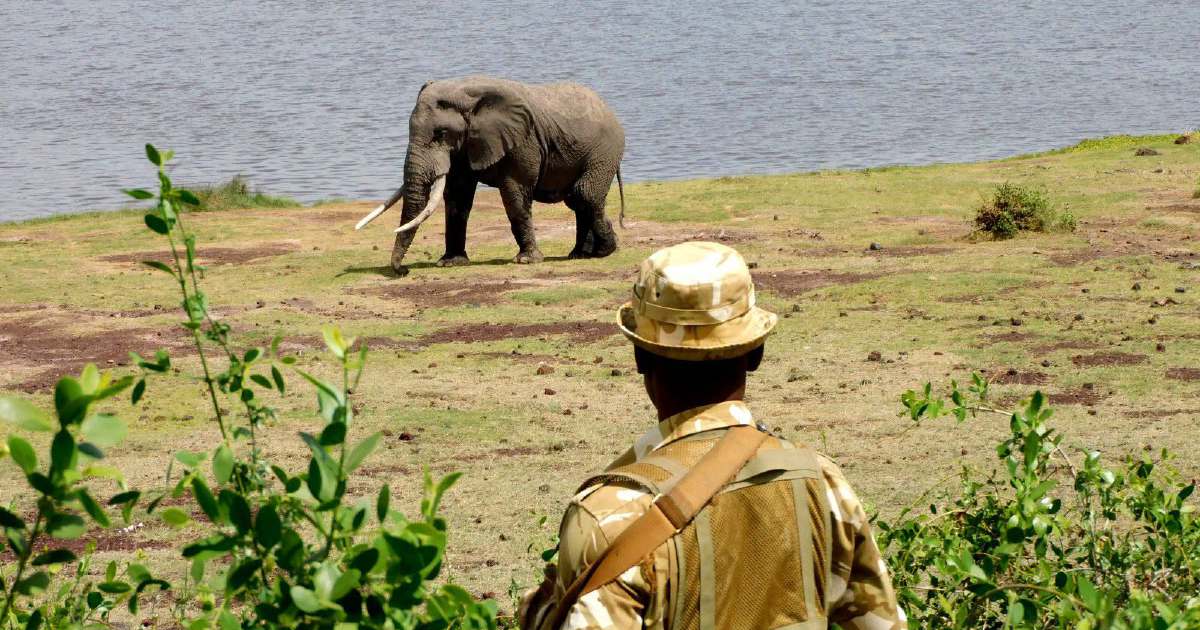
Kenyan wildlife officials have launched a formal investigation into a disturbing spike in elephant mortality at Amboseli National Park, where 15 of the large animals perished within just 30 days. The Kenya Wildlife Service confirmed the probe on Tuesday, signalling heightened concern over what appears to be an unusual cluster of deaths among one of East Africa's most celebrated elephant populations.
Amboseli National Park, located in southern Kenya near the Tanzanian border, has long served as a critical sanctuary for African elephants and remains one of the continent's premier destinations for wildlife research and tourism. The park's elephants are among the most studied in the world, with decades of scientific data tracking individual animals and family groups. The sudden loss of 15 individuals in such a compressed timeframe represents a significant event that warrants urgent investigation.
The nature of these deaths remains unclear at this stage, with wildlife authorities working to determine whether the mortality spike stems from disease, environmental factors, or other causes. Initial assessments will likely focus on examining whether the elephants showed signs of illness or poisoning, and whether environmental conditions such as drought, water quality issues, or food scarcity may have contributed to their deaths. The timing of the incident could offer important clues about seasonal factors or emerging threats to the park's ecosystem.
Drought and water scarcity have been persistent challenges for Amboseli in recent years, particularly during the region's dry seasons when wildlife congregates around diminishing water sources. These pressure points can facilitate the rapid spread of diseases among concentrated animal populations. The park's elephants depend heavily on the aquifers and springs that feed the Amboseli wetlands, making them vulnerable to fluctuations in water availability and quality.
For Malaysia and other Southeast Asian nations, this situation carries lessons about wildlife conservation infrastructure and the importance of maintaining robust monitoring systems for endangered megafauna. As elephant populations in Borneo and Peninsular Malaysia face their own pressures from habitat loss and human-wildlife conflict, the systematic tracking and rapid response protocols demonstrated by Kenyan authorities offer valuable models for regional conservation bodies.
The investigation assumes greater significance given Amboseli's role in global conservation science. Researchers from institutions worldwide utilise data from the park's long-term elephant studies to understand population dynamics, behaviour, and responses to environmental change. The unexpected mortality event could disrupt decades of longitudinal research and reveal new vulnerabilities in elephant populations previously considered relatively stable.
Kenya Wildlife Service will need to conduct post-mortem examinations on the deceased animals to identify infectious diseases, toxins, or nutritional deficiencies that might explain the deaths. Such forensic work requires specialist expertise and resources, particularly when investigating potential disease outbreaks that could threaten broader wildlife populations across the region. Rapid identification of the cause remains essential for preventing further losses.
The incident reflects broader challenges facing African wildlife management as climate patterns become increasingly unpredictable. Amboseli sits at the intersection of Kenya and Tanzania, meaning conservation responses may require cross-border coordination. Drought in this region has intensified in recent decades, creating cycles of scarcity that strain wildlife populations and occasionally trigger sudden mortality events when conditions reach critical thresholds.
Tourism represents a vital economic pillar for Amboseli and the surrounding communities, with visitors drawn primarily to observe the park's elephant herds. A sustained decline in elephant numbers could have profound implications for local livelihoods and the broader conservation funding model that depends partly on revenue from international tourism. This economic dimension adds urgency to understanding and addressing the mortality spike.
The Kenya Wildlife Service's commitment to investigating these deaths demonstrates the institutional capacity that exists within East Africa's conservation sector. However, such responses also highlight resource constraints many developing nations face when responding to wildlife emergencies. The investigation will require sustained commitment and funding to reach conclusive findings that might guide future conservation strategies.
As the probe unfolds, findings will be scrutinised closely by the global conservation community and by wildlife managers across Africa facing similar challenges. Whether the deaths result from a temporary environmental stress or indicate a more systemic problem affecting the park's carrying capacity could reshape conservation priorities for Amboseli and influence how similar situations are managed elsewhere on the continent.

