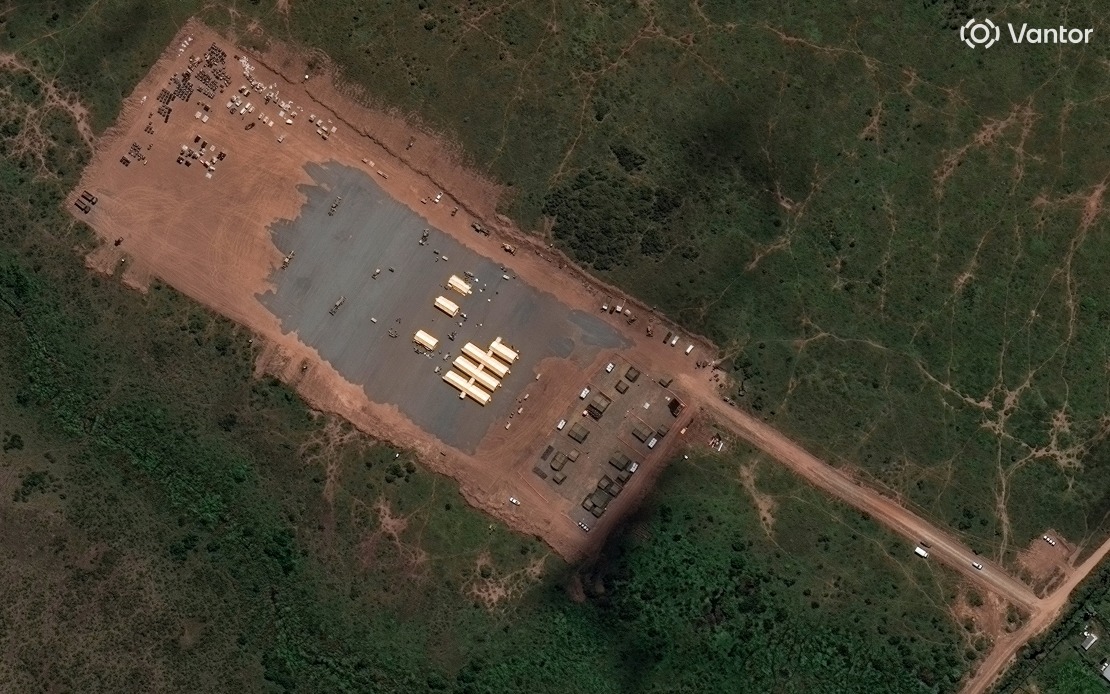
A Kenyan High Court has ruled that Health Minister Aden Duale committed contempt of court by continuing to oversee construction of a contentious US-backed Ebola quarantine facility despite explicit judicial orders to suspend the project. Judge Patricia Nyaundi issued the finding on Monday, determining that Duale had persistently violated court directives issued on May 28 and confirmed on June 2 to halt all work related to the 50-bed isolation and quarantine centre at Laikipia Air Base in Laikipia County, approximately 200 kilometres north of Nairobi.
The ruling sets the stage for potential sanctions against Duale, with the judge directing him to appear before the court on Tuesday to present arguments in mitigation and to receive his sentence. This development marks a significant escalation in a dispute that has evolved into one of Kenya's most divisive public health controversies, extending far beyond routine medical policy into questions of presidential authority, constitutional governance, and community rights.
At the heart of the controversy lies a planned facility designed to serve as a quarantine centre for American personnel potentially exposed to Ebola while engaged in response operations related to ongoing outbreaks in the Democratic Republic of the Congo and neighbouring regions. The location, situated approximately eight kilometres northwest of Nanyuki, was selected as part of a health partnership arrangement between Kenya and the United States. However, President William Ruto's revelation that he personally approved the project following a direct request from President Donald Trump transformed what might have been a routine bilateral health arrangement into a flashpoint for constitutional concerns about executive power and national sovereignty.
The Katiba Institute, a constitutional rights organisation, successfully petitioned the High Court to suspend the project, arguing that the initiative violated fundamental constitutional principles regarding public participation, transparency, and adherence to legal procedural requirements. The court accepted these arguments, recognising that such a significant health infrastructure project affecting public safety required comprehensive public consultation and full compliance with established legal frameworks. This legal victory reflected broader concerns among Kenyan civil society organisations that the project had been conceived and advanced without adequate democratic scrutiny or consideration of community welfare.
Government officials have consistently defended the facility as essential to Kenya's national security and health preparedness strategy. They emphasise that Kenya's strategic position as a major regional hub for transport, diplomacy, and commerce exposes the country to heightened epidemiological risks. According to official statements, the facility would strengthen the nation's capacity to detect, isolate, and respond to potential Ebola outbreaks, protecting both Kenya and the broader East African region. The United States Embassy in Nairobi has similarly maintained that the facility poses no public health danger to surrounding communities and represents part of legitimate regional capacity-building efforts.
Despite these government assurances, the project has generated intense public opposition, particularly in Laikipia County where the facility is located. Local leaders, civil society organisations, and opposition politicians have mobilised against the initiative, contending that government authorities have systematically disregarded both judicial rulings and legitimate community concerns. Protests have erupted repeatedly, with at least three people killed during demonstrations according to police reports, witness testimonies, and accounts from human rights monitoring organisations. These fatalities underscore the emotional intensity and community distrust surrounding the project.
The contempt of court finding against Duale represents a crucial moment for Kenya's constitutional order. It tests whether executive officials, particularly those in the Cabinet, can be held accountable when they defy judicial authority. The minister's continued oversight of construction activities despite clear court orders suggests either a deliberate decision to prioritise executive prerogatives over judicial authority or an institutional failure to ensure compliance with court directives. Either interpretation carries serious implications for the rule of law and the balance of power between Kenya's branches of government.
For Malaysian and Southeast Asian observers, this case illustrates broader regional tensions regarding how nations navigate partnerships with major powers while respecting domestic constitutional constraints and community rights. Kenya's experience demonstrates that even strategically important health partnerships require alignment with domestic legal processes and democratic participation standards. The case serves as a cautionary example of how bilateral arrangements, particularly those involving sensitive security or health infrastructure, can generate significant domestic controversy when pursued without adequate transparency and public engagement.
The facility controversy also reflects evolving public consciousness in African nations regarding the terms under which they engage with international health initiatives and external military or security-related infrastructure. Communities increasingly insist on meaningful participation in decisions affecting their territories and wellbeing, rejecting top-down approaches justified primarily through official claims of national or regional necessity. This assertion of community agency has become a defining feature of contemporary African political discourse.
The forthcoming sentencing hearing will determine what consequences Duale faces for his alleged defiance of judicial authority. Potential sanctions could range from fines to imprisonment, decisions that will signal the strength of Kenya's judicial independence and willingness to hold senior government officials accountable. The outcome will also influence whether construction continues or whether the government negotiates an alternative approach that satisfies both constitutional requirements and legitimate security interests.
Beyond the immediate legal proceedings, the case raises fundamental questions about how democracies should balance urgent public health security concerns with constitutional governance and community consent. Kenya's courts must now demonstrate that judicial authority can constrain executive action even when senior officials claim implementation serves vital national interests. The resolution of this dispute will have implications extending throughout the region, potentially shaping how other nations approach comparable public health or security partnerships with international actors.