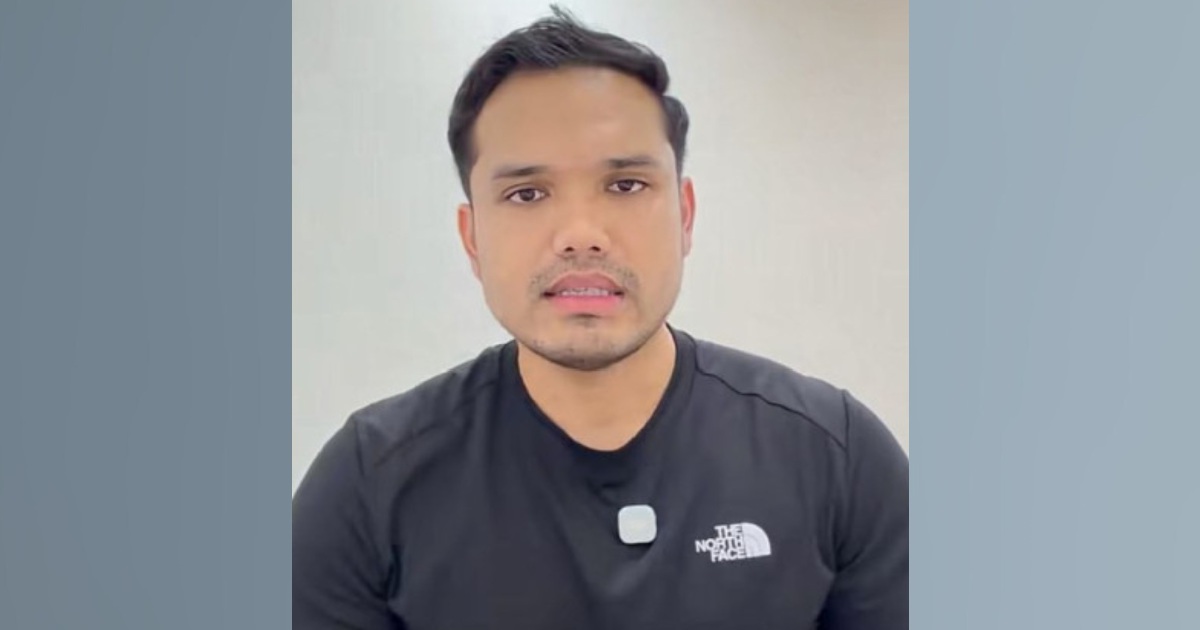
Malaysian influencer and business personality Khairul Aming has publicly responded to the unsettling discovery that his private phone billing details have been leaked into the public domain, revealing what many view as a significant breach of personal privacy in an increasingly connected digital landscape.
The incident marks another concerning chapter in a lengthening series of data exposures affecting high-profile figures in Malaysia. Khairul Aming's case underscores the vulnerability of even well-resourced individuals to unauthorized access of sensitive personal information, despite likely taking reasonable precautions to protect their privacy. The unknown party responsible for disseminating his phone bill details has not been publicly identified, leaving questions about their motivation and technical capabilities.
For Malaysian audiences, this episode carries particular relevance given the nation's growing dependence on digital communications and the increasing instances of data breaches affecting telecommunications customers. Telecommunications companies maintain extensive personal records including billing addresses, payment histories, phone usage patterns, and account contact information, making them attractive targets for those seeking to exploit or expose private details. When such repositories are compromised, the consequences ripple through customer bases of varying profiles.
Khairul Aming's prominence as a media personality and entrepreneur likely amplified his concern, given that exposure of personal phone billing information can potentially invite unwanted attention, harassment, or targeted fraud attempts. Celebrities and public figures in Southeast Asia have increasingly become targets for coordinated privacy violations and digital harassment campaigns. His candid response to the situation reflects broader frustrations among prominent Malaysians about the lack of robust protections for personal data and the relative ease with which sensitive information can be circulated.
The incident invites scrutiny of Malaysian data protection frameworks and how telecommunications providers handle customer information security. While Malaysia implemented the Personal Data Protection Act to establish baseline privacy standards, enforcement challenges and gaps in technical safeguards continue to plague the sector. Customers often lack transparency regarding how their data is stored, who has access to it, and what security measures are actually deployed to prevent unauthorized leaks.
From a practical standpoint, phone bill leaks present multiple layers of risk beyond mere embarrassment. Such documents contain phone numbers, service details, and billing addresses that can be weaponized for identity theft, account takeovers, or targeted social engineering attacks. Malicious actors can cross-reference leaked billing data with other publicly available information to construct increasingly detailed profiles for fraud or harassment purposes.
The timing and means of the leak remain unclear, raising questions about whether Khairul Aming's information was compromised through a targeted attack against him personally, a broader data breach affecting his telecommunications provider, or an insider threat within the service provider's operations. Each scenario carries different implications for his security and for the broader customer base potentially affected. Malaysian cybersecurity researchers have previously documented vulnerabilities in how some local telcos manage customer databases.
For other high-profile Malaysians and business figures, this incident serves as a reminder that reputation management increasingly extends into cybersecurity and data protection domains. Influencers and entrepreneurs with substantial online followings face asymmetric risks when personal information surfaces, as such details can be weaponized by critics, competitors, or bad-faith actors seeking to damage their standing or exploit their businesses.
The broader question facing Malaysian society concerns whether sufficient institutional mechanisms exist to investigate such breaches, hold perpetrators accountable, and compensate affected individuals. Currently, victims of data leaks in Malaysia often lack clear recourse and face protracted processes to determine responsibility and secure remedies. Building stronger investigative capacity and establishing clearer legal consequences for unauthorized data disclosure remains an outstanding challenge.
Khairul Aming's public expression of concern about this breach reflects the sentiment of many Malaysians who increasingly question whether their personal information receives adequate protection in an era of routine digital connectivity. As the economy becomes more digitized and telecommunications companies accumulate ever-richer datasets on customers' behaviors and preferences, the stakes surrounding data security continue to escalate. Incidents like this underscore the urgency of stronger technical safeguards, more rigorous corporate accountability, and clearer customer protections throughout the Malaysian digital ecosystem.

