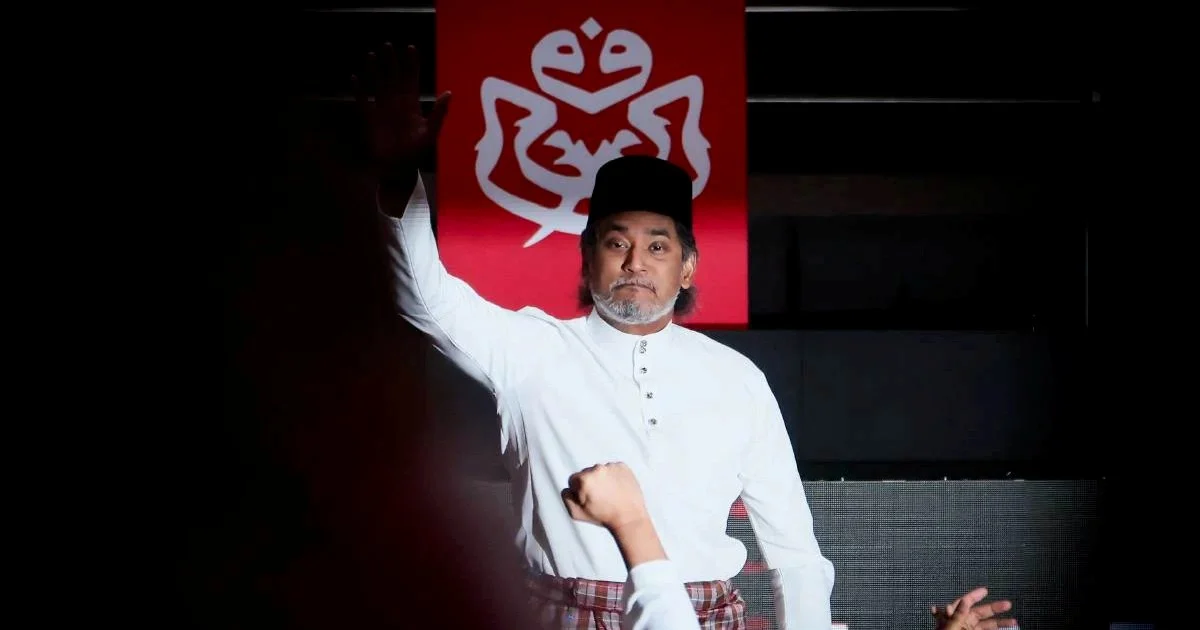
Khairy Jamaluddin, the former Rembau member of parliament, has stepped back from making an independent decision on whether to contest in the Negri Sembilan state election scheduled for August 1, instead placing the determination squarely with Umno's party hierarchy. The move reflects a shift in approach for the senior politician, who has opted to defer to the party's strategic judgement rather than pursue his own candidacy independently.
The decision carries particular significance given Khairy's storied history within the party and his previous parliamentary representation. His tenure as Rembau's MP established him as a figure of some prominence within Umno's ranks, and his willingness to step back from unilateral decision-making underscores the complex dynamics at play within Malaysia's largest component party of Barisan Nasional. By ceding the choice to the leadership, Khairy demonstrates deference to party protocols and the broader organisational direction being set at the top levels of Umno.
The timing of this announcement also warrants examination, coming as it does in the lead-up to the Negri Sembilan polls. State-level elections in Malaysia often serve as important indicators of national political sentiment and party performance. The Negri Sembilan contest will present an opportunity for Umno to test its standing among voters and consolidate its position in a state where the party holds considerable influence. Khairy's willingness to allow the leadership to chart his course suggests he recognises the broader electoral calculations that senior party figures must weigh when determining candidate selection and campaign strategy.
For Malaysian political observers, this development illustrates the continuing centralisation of decision-making authority within Umno, particularly regarding candidate nominations for state-level contests. While individual politicians may harbour their own ambitions, the party machinery has traditionally maintained firm control over such selections, ensuring alignment with overall strategic objectives and resource allocation. Khairy's deference to this process reinforces the hierarchical structure that characterises Umno's internal operations.
The Negri Sembilan election itself holds importance beyond the immediate contest. As one of Malaysia's smaller states by population but with considerable historical significance, it represents a testing ground for party strategies and a reflection of shifting voter preferences across different demographic groups. How Umno performs in the August 1 polls will contribute to the broader narrative surrounding the party's ability to retain and expand its electoral base ahead of the next general election.
Khairy's political trajectory over recent years has involved navigating various roles and responsibilities within the party structure. His decision to leave the candidacy determination to the leadership may also reflect pragmatic considerations about his current standing and the evolving factional dynamics that inevitably characterise any large political organisation. By positioning himself as amenable to party direction, he maintains flexibility and demonstrates team loyalty, qualities that often prove valuable in navigating internal party politics and securing future opportunities.
The broader implication for Malaysian politics involves how established figures within major parties adapt to changing circumstances and leadership preferences. Khairy's approach suggests a recognition that individual ambitions, however legitimate, must sometimes yield to party interests and the collective determination of senior party figures. This dynamic is not unique to Umno, but the manner in which it plays out within Malaysia's largest Malay-Muslim party has considerable ramifications for national politics given the party's historical dominance and continuing influence.
For Negri Sembilan voters and observers of state politics specifically, the final determination on Khairy's candidacy will ultimately depend on the party leadership's assessment of various factors: electoral viability, demographic considerations, sitting MP performance, and broader strategic objectives for the state. The decision-making process that unfolds will reveal something about Umno's internal priorities and the considerations that currently drive its candidate selection processes.
The August 1 Negri Sembilan election will provide clarity not only on whether Khairy contests but also on the broader direction of Umno's campaign strategy in the state. As the party continues to navigate the political landscape in the post-2022 general election period, decisions regarding candidate selection carry implications for morale, factional balance, and voter perception. Khairy's deferential approach to this particular decision demonstrates how senior party figures position themselves within these ongoing organisational dynamics, balancing personal ambition with party loyalty and strategic considerations.